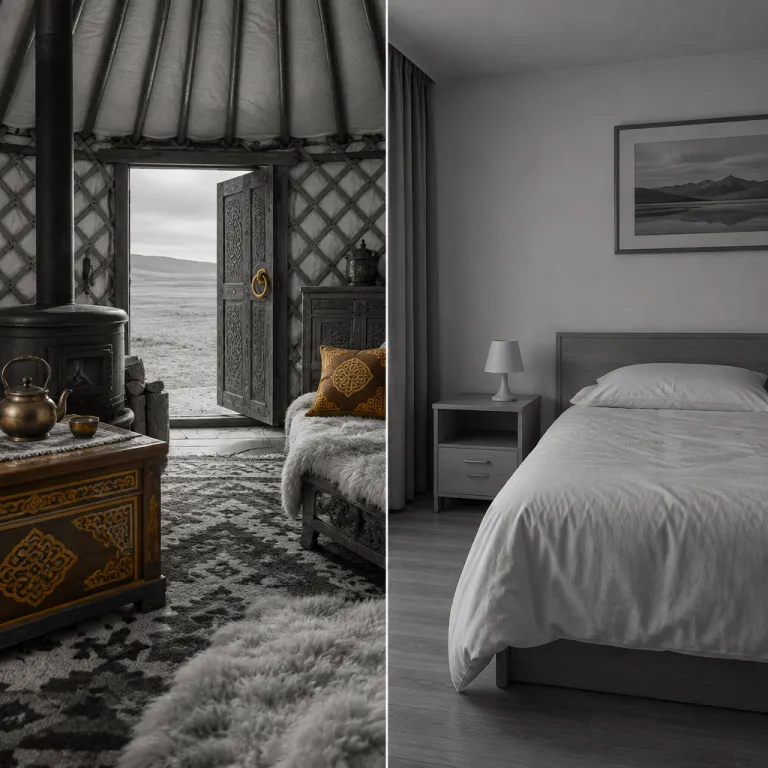
Why luxury in Mongolia starts long before the lobby
Luxury hotels in Mongolia live or die by how they understand the land. A polished hotel in Ulaanbaatar can feel hollow if the staff cannot explain the best time to visit the Gobi Desert or how to reach Terelj National Park, while a simple ger with attentive service and deep local knowledge can feel ultra luxury in the middle of the steppe. When you plan your Mongolia travel, think less about chandeliers and more about how each property frames the view, the silence and the cultural encounters that will define your stay.
Start by asking how a hotel or resort talks about place. Serious luxury hotels in Mongolia will reference specific valleys, rivers, or mountain ranges, and they will speak clearly about access to Bogd Khan Uul, Terelj National Park or the wider Gobi Desert, while weaker hotels resorts lean on vague phrases about pristine nature and untouched landscapes. When a property can describe the exact ger layout, the orientation of rooms and rooms suites toward sunrise, and how the lodge integrates with a nearby UNESCO biosphere reserve, you are usually looking at a team that actually walks the ground.
Location inside the city matters just as much. In Ulaanbaatar, a luxury hotel in Khan Uul district with strong soundproofing, filtered air and reliable power will transform a jet lagged arrival, while a cheaper hotel closer to the city center may struggle with noise and inconsistent heating. For hotels Mongolia wide, ask directly about winter operations, backup generators and how they handle dust storms in the Gobi, because real luxury in Mongolia is the confidence that your rooms, spa and essential services will hold steady when the weather turns.
The tells of genuine Mongolian luxury: service, sourcing, and site
Real luxury hotels in Mongolia feel grounded in Mongolian life rather than imported from another continent. When you walk into a lodge in the Gobi or a resort near Terelj National Park, the first clues are often the staff and how they talk about the surrounding land, because a team that can recommend a quiet ridge for sunset or a hidden monastery above Ulaanbaatar usually signals deeper training and pride. In contrast, rebranded hotels that rely on generic spa menus and international clichés rarely mention the nearby biosphere reserve or the rhythms of local herders.
Service that anticipates your needs is the clearest marker. In the best hotels Mongolia offers, staff will adjust your stay around sudden weather shifts, reshuffling a planned camel ride in the Gobi Desert or a hike in Terelj National Park without you needing to ask, while also checking that your ger heating and hot water are stable before the temperature drops at night. When a luxury hotel can explain where its meat, dairy and vegetables are sourced, and how it supports nearby families rather than flying everything from the city, you are seeing luxury that respects both palate and place.
Site selection separates the memorable from the forgettable. A property like Three Camel Lodge in the Gobi, or a carefully positioned Terelj hotel facing granite cliffs, uses the natural view as its primary amenity, while weaker hotels resorts try to compensate with oversized televisions and generic décor. If a resort claims ultra luxury status yet cannot show how its rooms suites frame sunrise over Khan Uul or how its spa uses Mongolian ingredients, you are likely looking at a rebrand rather than a property designed from the ground up for Mongolia travel, and this is where curated guides such as a northern Mongolia by design itinerary become invaluable filters.
Red flags: when a rebrand wears luxury clothing
Many hotels in Mongolia are evolving fast, and some rebrands are honest about their limits. The trouble starts when a standard hotel or ger camp quietly doubles its rates, adds a spa menu copied from a city resort and begins marketing itself as ultra luxury without changing the underlying service or infrastructure, which leaves travelers paying five star prices for three star delivery. Reading between the lines of hotel websites and booking platforms is essential if you want your stay to match the promise.
Stock photography is the first warning sign. If every image of a supposed Gobi Desert lodge looks like it could be any desert resort in the world, with no trace of Mongolian gers, local staff or the specific rock formations around the property, you should question how much of the story is real, and the same applies to Ulaanbaatar hotels that show generic skyline shots instead of their actual city view. Vague sustainability language is another red flag, because phrases about respecting nature and supporting communities mean little unless the hotel can explain its relationship with the nearby UNESCO biosphere reserve, its waste systems and how it manages water in fragile areas.
Pay attention to how a property talks about culture. When a luxury hotel leans heavily on Genghis Khan imagery without mentioning real monasteries, local festivals or the living Buddhist heritage you can explore, it often signals a surface level approach, and this is where independent guides to why Mongolia’s Buddhist monasteries feel different can help you calibrate expectations. A rebranded resort may still suit travelers who want simple comfort near Terelj National Park or Bogd Khan Uul, but if you are seeking the best hotels Mongolia can offer, you need transparency about what has actually changed beyond a new name, fresh paint and a higher nightly rate.
Questions to ask before you book: a diagnostic toolkit
Before you commit to any luxury hotels in Mongolia, send one detailed email and judge the reply. Ask about heating systems in both rooms and gers, the backup plan for power cuts, and how water is supplied and treated, because a property that answers quickly and specifically usually runs a tighter operation than a resort that replies with vague reassurances. The quality of that first response often predicts the quality of your stay more accurately than any marketing slogan.
Drill into staffing and safety. Request the staff to guest ratio in peak season, ask whether guides are full time employees or freelancers, and clarify who is on site overnight at a remote lodge in the Gobi Desert or near Terelj National Park, since real luxury means knowing help is close when the wind rises or a guest falls ill. For hotels Mongolia wide, from Ulaanbaatar city towers to camel lodges on the steppe, ask how they handle medical emergencies, what vehicle they use for evacuations and how long it takes to reach the nearest clinic.
Then move to experience design. Ask which months they consider the best time for their specific location, how they adapt itineraries when weather closes a pass, and whether they cap guest numbers to protect the surrounding biosphere reserve or national park, because thoughtful limits often signal genuine care. If a luxury hotel or khan retreat near Bogd Khan Uul can explain how its spa integrates Mongolian treatments, how its rooms suites are oriented for sunrise and how it supports local herders through long term contracts, you are likely looking at a property that understands that the real luxury in Mongolia is not the thread count but the relationship between four walls and the land beyond them.
Matching property types to your Mongolia travel style
Not every traveler needs the same version of luxury, and Mongolia rewards clarity about what you actually want. A high rise luxury hotel in Ulaanbaatar with a polished spa, international dining and quick access to the city’s galleries suits couples who want a soft landing, while a remote ger lodge in the Gobi Desert or Terelj National Park suits those who value silence, stars and the feeling of being held safely in a vast landscape. Both hotels and resorts can be the best choice, but only if you match their strengths to your own travel rhythm.
For design focused travelers, a property aligned with brands such as Shangri can offer familiar comforts, yet you should still ask how Mongolian culture appears in the rooms, spa and public spaces rather than accepting a generic global template. Remote options like Three Camel Lodge or a carefully run camel lodge near a UNESCO biosphere reserve deliver a different kind of ultra luxury, where the view from your ger at dawn and the knowledge of your guide matter more than marble bathrooms or oversized televisions. When you read about a khan retreat or Terelj hotel promising intimacy, check how many rooms suites they actually have and whether they limit group bookings, because a small headcount often protects the quiet you are paying for.
Finally, consider how each stay fits into your wider Mongolia travel route. A night or two in a city hotel near Khan Uul can frame visits to Bogd Khan and key museums, while a sequence of lodges and hotels resorts across the steppe can trace migration routes and sacred sites highlighted in thoughtful essays on how UNESCO’s recognition of nomadic life should reshape itineraries. The best hotels Mongolia offers are not isolated trophies but anchors in a journey, and when you read properties through this lens, you will quickly see which luxury hotels in Mongolia are genuinely of this place and which are simply rebrands wearing borrowed clothes.
FAQ
How do I choose between a city hotel and a ger lodge in Mongolia ?
Choose a city hotel in Ulaanbaatar if you want easy access to museums, restaurants and Bogd Khan Uul, and prioritize strong insulation, reliable heating and a good spa for recovery after flights. Opt for a ger lodge or remote resort if your main goal is landscape immersion in places like the Gobi Desert or Terelj National Park, and confirm how they handle power, water and safety before you book. Many couples combine both styles of stay to balance comfort with authentic Mongolian experiences.
What makes a Mongolian property genuinely luxurious rather than just expensive ?
Genuine luxury hotels in Mongolia combine anticipatory service, deep local knowledge and thoughtful site selection, rather than relying only on imported décor or high prices. Staff should be able to explain the best time to visit their area, adjust plans around weather and connect you with meaningful cultural encounters, whether in the city or near a national park. Transparent communication about logistics, sourcing and environmental impact is another strong indicator that a hotel or resort takes its responsibilities seriously.
Are rebranded hotels in Mongolia always a bad choice for luxury travelers ?
Rebranded hotels in Mongolia are not automatically a poor choice, because some upgrades bring better bedding, improved heating and more consistent service without changing the building itself. These properties can work well for travelers who prioritize comfort and location in Ulaanbaatar or near major roads, rather than deep immersion in remote landscapes. The key is to read past the new name and ask specific questions about what has actually changed in the rooms, spa and guest services.
What questions should I ask a remote lodge before booking in the Gobi Desert ?
Ask about heating in gers and rooms, backup generators, water sourcing and treatment, and how they handle medical issues or evacuations from the Gobi Desert. Clarify staff to guest ratios, guide qualifications and whether they cap guest numbers to protect the surrounding environment, especially if the lodge is near a UNESCO biosphere reserve or national park. You should also ask about the daily schedule, drive times between activities and how they adapt plans when sandstorms or heavy winds arrive.
When is the best time for a luxury stay in Mongolia ?
The best time for most luxury stays in Mongolia is late spring and early autumn, when temperatures are milder and roads are generally more reliable for long drives between hotels and lodges. High summer offers warmer nights in gers and easier access to high altitude areas, but popular resorts near Terelj National Park and the Gobi Desert can feel busier. Winter stays in Ulaanbaatar or at a well prepared khan retreat can be magical if you confirm robust heating, insulated rooms and experienced staff who understand cold weather operations.