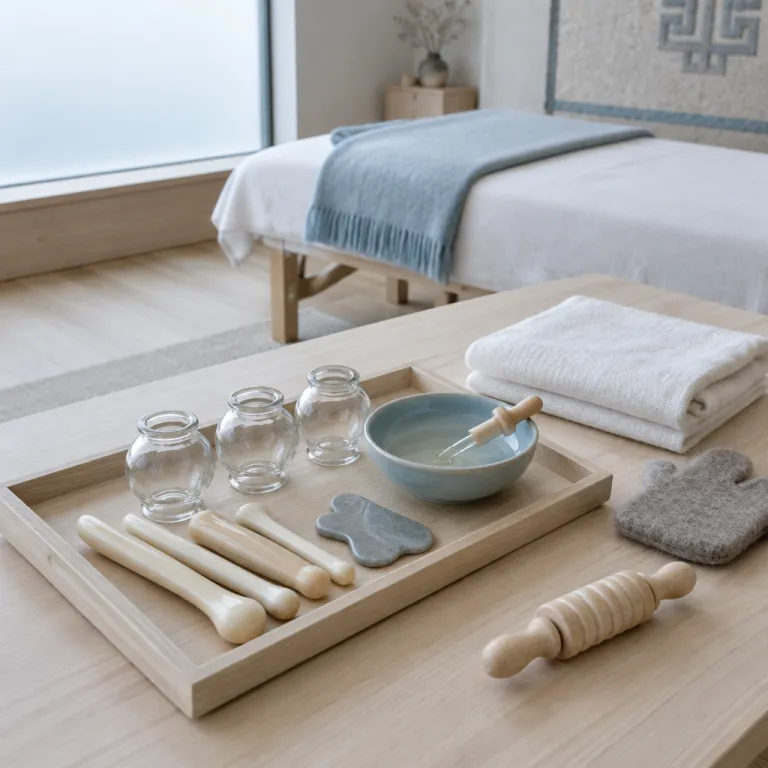
Accommodation in Mongolia for families seeking real wellness rituals
Luxury accommodation in Mongolia now treats wellness as a core experience, not a side amenity. For families planning a longer trip, the smartest stays weave traditional Mongolian massage into a wider sense of place, from the way wood is used in the spa yurt to how the ger camps handle silence between sessions. When you plan where to stay in Mongolia, think less about marble lobbies and more about how each property will help your body adjust to altitude, long drives and the dry air of the steppe. Most itineraries start in Ulaanbaatar before heading out to the ger camps of Terelj or the Orkhon Valley.
Across the country, family-friendly tours increasingly pair high-end hotels with nights in insulated yurts or a carefully heated Mongolian ger, so parents can enjoy serious treatments while children explore nomadic games outside. In Ulaanbaatar, wellness-focused hotels offer spa floors where a traditional healer works alongside therapists trained in Swedish or Ayurvedic massage, giving you a clear comparison between Mongolian and imported techniques. This mix means your base will not only provide a good shower and comfortable single beds, but also access to a guide who understands how to schedule treatments around long travel days and family energy levels.
Families using a specialist tour operator for Mongolia tours or private itineraries should ask early how many ger camps offer authentic Mongolian massage, rather than generic spa menus. A strong operator designing adventure tours in the Gobi Desert or Orkhon Valley will know which camps keep a resident traditional healer and which simply bring in therapists from Ulaanbaatar for the high season in June. When you travel Mongolia with children, this level of detail turns a standard booking into a genuinely restorative experience that respects Mongolian culture instead of staging it. Ulaanbaatar remains the easiest place to book a first night on arrival.
Inside a shaman led Mongolian massage session
Traditional Mongolian massage sits inside a wider healing system where shamans and other traditional healers work on both the body and the unseen. Ethnographic accounts of Mongolian shamanism, such as those by anthropologist Caroline Humphrey, describe how ritual specialists combine physical techniques with spiritual practices, and contemporary spa practitioners often adapt these ideas in gentler, guest-friendly ways. In some luxury ger camps and higher-end hotels, a shaman session begins with quiet observation, a few questions about your travel, then a short ritual that might involve murmured words, smoke or the rhythmic sound of a drum. Only after this does the practitioner place hands on your back, working with deep tissue pressure that feels closer to structural bodywork than to a spa-style relaxation massage.
At properties such as Pavilions Mongolia, the shaman may combine strong thumb pressure with the use of hot stones and herbal oils, especially after long journeys across rough tracks. One therapist we spoke to, B. Enkhjargal, a Ulaanbaatar-based practitioner trained in both traditional Mongolian techniques and Russian medical massage, described it as “a Mongolian deep tissue technique aimed at easing fatigue and helping the body recover from long travel,” a phrase that echoes how local healers explain their work. During a full session, which often lasts around an hour, you may feel the therapist trace old injuries from previous trips, then use slow, sustained pressure to address what they describe as blockages in the body’s energy channels; these perceived benefits are based on traditional belief and personal reports rather than clinical trials. Official guidance is published by the official Mongolia travel portal.
Many ger camps offer this work inside a dedicated yurt built from pale wood, with thick felt walls that mute the wind and a simple shower hut nearby for rinsing oils afterwards. Compared with Thai or Swedish massage, the Mongolian approach feels less choreographed and more diagnostic, as if the practitioner is reading your back like a map of your travel. When you book accommodation that highlights Mongolian ger wellness, ask whether the shaman works regularly with international families or mainly with local nomadic communities, because communication style will shape how comfortable your children feel around the ritual elements.
For design-focused readers, the way these spa yurts are built is part of the experience, from the joinery to the scent of the timber. If you are curious about how luxury camps use traditional carpentry without nails in their wellness spaces, study this piece on quiet architecture in Mongolian luxury stays before choosing your preferred ger camps. It will help you read between the lines of hotel descriptions and understand which camps offer a genuinely grounded setting for shaman-led treatments and which simply decorate a standard spa room with a few nomadic motifs.
How Mongolian massage differs from Thai, Ayurvedic and Swedish work
For families used to Thai or Swedish massage at beach resorts, the first Mongolian session can feel surprisingly intense. Thai massage works with stretching and joint mobilization, while Swedish massage focuses on long gliding strokes for circulation, but Mongolian deep tissue work goes straight to the knots that long tours and rough roads leave behind. The theory is not framed in Sanskrit or Western anatomy; instead, traditional healers talk about trauma lodged in the muscles and energy that needs to move again after too much sitting in jeeps across Mongolia.
Ayurvedic massage, which you may also find in Ulaanbaatar hotels, uses warm oil and rhythmic strokes based on dosha types, whereas Mongolian practitioners rely more on pressure, hot stones and sometimes herbal compresses. According to spa menus and practitioner interviews, herbal oils are commonly applied in Mongolian treatments, both for warmth and for their scent. In practice, this means your back might be worked with elbows and knuckles, then soothed with heated stones, a pattern that feels closer to certain Russian or Central Asian traditions than to the flowing style of classic spa treatments.
Urban spa centres in Ulaanbaatar often layer these influences, offering Russian sauna circuits, Japanese-inspired baths and Mongolian massage under one roof, which can confuse first-time visitors. When you compare different places to stay, look for city hotels that clearly separate theatrical spa menus from sessions with named traditional Mongolian healers, because clarity here signals respect for Mongolian culture rather than marketing. If you are planning a stay that includes both city nights and ger camps in Orkhon Valley or near Khustain Nuruu National Park, consider using the capital for lighter treatments and saving the deeper Mongolian work for when your body has settled into the rhythm of the steppe. The main spa centres cluster in central Ulaanbaatar, around Sükhbaatar Square.
Families interested in pairing wellness with wildlife often choose refined stays near wild horse habitats. For a sense of how high-end properties balance nature, comfort and access to nomadic landscapes, read our guide to refined stays around Khustain Nuruu National Park before finalizing your tour. This kind of research helps you judge which Mongolia tours integrate meaningful wellness stops and which simply add a token massage after long days of game drives.
Choosing between Pavilions Mongolia and Ayan Zalaat Spa with a family
When wellness is a central reason to travel Mongolia, the choice between Pavilions Mongolia and Ayan Zalaat Spa becomes more than a brand question. Pavilions positions itself as a retreat where traditional Mongolian massage is performed by a resident shaman, then balanced by Ayurvedic sessions with experienced therapists for guests who prefer a more codified protocol. Ayan Zalaat Spa, by contrast, leans into a medical wellness identity, pairing Mongolian cultural traditions with Swiss expertise from Clinique Nescens in Genolier, which reassures parents who want clear clinical frameworks for older relatives.
For a premium family, the decision often comes down to which family member needs what kind of care during the trip. A teenager recovering from sports-related aches after long adventure tours in the Gobi Desert might respond well to the deep tissue focus of traditional Mongolian bodywork, while a grandparent could feel safer with the structured assessments and Swiss-backed programs at Ayan Zalaat. Younger children, meanwhile, may be better served by gentle oil-based work or simply by time in warm pools and Russian-style sauna circuits, rather than full shamanic sessions that can feel intense or confusing.
Both properties understand that guests often arrive after long flights and overland journeys, so they design arrival day rituals carefully. At Pavilions, a private tour of the grounds and a calm conversation with a local guide or healer often precede any strong bodywork, allowing your system to catch up with the change in climate and time zone. Ayan Zalaat tends to begin with medical-style questionnaires and baseline measurements, which can be reassuring for families who like data-driven travel plans and want to integrate wellness into a longer Mongolia itinerary.
Whichever you choose, ask specific questions about how many Mongolian ger–style treatment rooms they operate, how they handle shower facilities between sessions and whether they can adapt pressure for different ages. Our broader feature on cultural experiences in luxury Mongolian hotels offers more detail on how these properties weave nomadic aesthetics into serious wellness programs. Use it alongside your tour operator’s advice to build a stay in Mongolia where each hotel, ger camp and spa stop plays a clear role in your family’s overall well-being.
Age guidance, timing and practical tips for family wellness on the steppe
Not every family member needs the same intensity of traditional Mongolian massage, and timing matters as much as technique. Children under about ten usually do best with very light touch or simple foot rubs, while watching a parent receive a session in a calm yurt can be a gentle way to introduce them to Mongolian culture without forcing participation. Teenagers and adults who have spent days in jeeps across Mongolia will often benefit most from deep tissue work scheduled after a rest day, not straight off a long-haul flight.
For older relatives or anyone with cardiovascular issues, the Swiss medical track at Ayan Zalaat or similar clinics in Ulaanbaatar may be a better starting point than a shaman-led ritual in remote ger camps. Ethnographic studies and local practitioners note that Mongolian massage often incorporates shamanic elements, such as chanting or the use of smoke, especially in rural settings. This means you should brief more cautious family members in advance, explaining that while the ritual layer is central for many local clients, they can always request a simpler, physically focused session if that feels more comfortable.
From a scheduling perspective, the most effective pattern for wellness-focused stays is to book a lighter oil-based massage on your first night in Ulaanbaatar, then a stronger Mongolian session after two or three nights in the countryside. This gives your body time to adapt to the climate and to the rhythm of ger camps, where yurts sit low against the horizon and the only sounds may be wind and distant hooves. Aim to avoid very late evening appointments on days when your tour includes long drives through Orkhon Valley or the Gobi Desert, because exhaustion can blunt the benefits of even the best work. Gorkhi-Terelj and Kharkhorin both work well as the first stop after the capital.
Finally, remember that wellness on a Mongolia trip is not only about what happens under the shaman’s hand. Simple routines such as stretching beside your Mongolian ger at sunrise, taking short walks between camps instead of always using vehicles and drinking more water than you think you need will support every treatment you book. When your tour operator, your chosen hotels and your local guide all understand this bigger picture, your time in Mongolia becomes less a series of spa appointments and more a coherent journey through a living nomadic landscape.
FAQ
What is traditional Mongolian massage in a luxury hotel setting ?
In luxury hotels and ger camps, traditional Mongolian massage usually means deep tissue work performed by a trained healer, sometimes with shamanic elements such as chanting or the use of smoke. Sessions often combine strong pressure with hot stones and herbal oils to address tension from long travel days. The setting may be a dedicated yurt built from natural wood, with nearby shower facilities and quiet zones for rest afterwards.
Is Mongolian massage suitable for children and older family members ?
Children can usually receive very gentle versions of Mongolian massage, focused on relaxation rather than deep pressure, while watching a parent’s session can help them feel at ease. Older family members or guests with medical conditions may be better served by lighter techniques or by Swiss-style medical wellness programs, such as those at Ayan Zalaat Spa. Always discuss age, health history and comfort levels with the practitioner or your tour operator before booking.
How does Mongolian massage compare with Thai or Ayurvedic treatments ?
Mongolian massage emphasizes deep tissue pressure and the traditional idea of releasing stored trauma, whereas Thai massage relies more on stretching and joint mobilization, and Ayurvedic massage uses warm oils and rhythmic strokes based on dosha types. In practice, Mongolian sessions can feel more intense and less choreographed than typical spa treatments, with therapists adjusting pressure as they find problem areas. Many luxury properties in Ulaanbaatar and across Mongolia offer all three styles, allowing guests to compare them within a single trip.
When should I schedule a Mongolian massage during my Mongolia tour ?
The most effective time is usually after you have had at least one full day to recover from international flights and long drives, rather than immediately on arrival. Many travelers book a lighter massage in Ulaanbaatar first, then a deeper traditional session after a few nights in ger camps in regions such as Orkhon Valley or the Gobi Desert. Avoid scheduling intense treatments late at night after demanding adventure tours, because fatigue can reduce their benefits.
How can I be sure my practitioner is a qualified traditional healer ?
Reputable hotels and established ger camps work with recognized traditional Mongolian healers or shamans, and your tour operator or local guide should be able to confirm their background. Look for properties that provide clear information about the practitioner’s training and that separate authentic traditional sessions from generic spa offerings. When in doubt, ask direct questions about methods, tools used and how long they have been practicing with international guests.