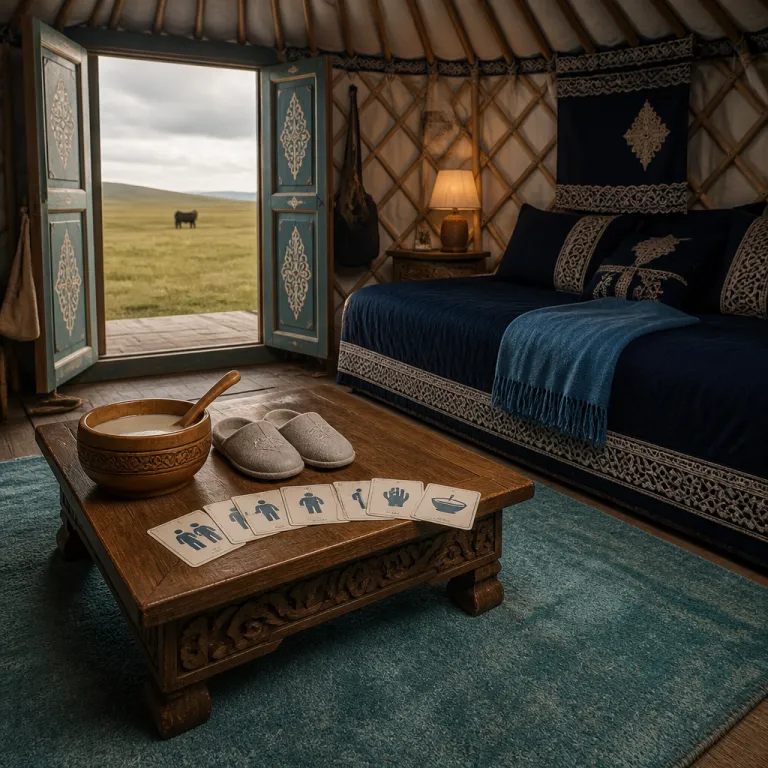
Why mongolian etiquette matters when luxury travel meets the steppe
Mongolia looks vast and empty on the map, yet every valley holds people whose lives run on precise unwritten rules. When you plan mongolia travel through a luxury hotel platform, those rules still shape how a solo person is received by each nomadic family, whether you arrive by chauffeured SUV or on a dusty shared jeep. Understanding mongolian etiquette and traditional customs is not a soft extra; it is the difference between being politely tolerated and being folded into full cultural hospitality.
According to Mongolia’s National Statistics Office, roughly one third of the population lived a nomadic or semi nomadic life across the Mongolian steppes as of the 2020 census, so mongolian people remain deeply connected to ger traditions even when they work in Ulaanbaatar hotels. That means the local customs you meet in a remote mongolian ger camp echo in the way a city concierge offers milk tea in the lobby, or how staff accept food and drink with the right hand supported by the left hand. When you book premium stays through a mongolia guide or a curated specialist mongolia travel site, you are also booking a bridge into this etiquette system, whether you choose private tours or small group photography tours.
Many years ago, tours Mongolia were basic and transactional, and travelers could pass through without learning much about mongolian culture. Luxury properties now partner with local families and guides, so people will be invited into real homes and gers, not just staged camps, which makes respect for mongolian customs non negotiable. Our own guide Mongolia network works with nomadic hosts who still remember when only a few people travel Mongolia each season, and they expect guests to avoid careless behavior that would once have spread quickly by word of mouth across the steppe. One senior guide based near Khustai National Park likes to tell guests, “The steppe remembers how you behave,” and if you want honest, high end stays that still feel rooted in place, start by treating etiquette as the first amenity, not an afterthought.
Reading the ger: thresholds, seating and the quiet choreography of respect
The ger is the center of mongolian culture, and every gesture inside it carries meaning. When your driver stops at a family ger on the way to a luxury camp, pause before entering, because respectful behavior begins at the threshold. You never step on it, you lead with your right foot, and you move clockwise once inside, a flow that mirrors the way people travel Mongolia around sacred ovoo cairns.
Hosts will usually indicate where a guest should sit, and those seating arrangements reflect age, gender and status that evolved years ago on the open steppe. The honored place is opposite the door, slightly to the left of the central hearth, while the area near the entrance is more practical and less formal, so avoid dropping your bag there without being invited. In many mongolian gers used by high end tours Mongolia, guides quietly steer you to the correct side, but learning these things yourself shows respect and makes any private tours feel less like a performance and more like a shared space.
Inside, keep your feet under control, because pointing your soles at the hearth or at a person is considered rude in mongolian customs. Accept food and drink with your right hand, lightly supported by the left hand, and never stir the fire with anything other than the iron poker, since the hearth is spiritually charged in mongolia. If you are offered milk tea, airag or simple food drink like fresh bread and curds, take at least a sip, because refusing outright can signal that you don’t trust the family or their hospitality, which is the deepest insult in this cultural world.
For a deeper sense of how these domestic rituals intersect with modern stays, look at the way some premium ger lodges structure their arrival rituals in short, intense weekend itineraries. A good example is a carefully planned long weekend itinerary framed as a 72 hour reset from Ulaanbaatar, where guests move from business hotels to steppe camps without losing sight of local customs. In such programs, a skilled Mongolia guide will quietly translate not just language but etiquette, helping a solo person read the room, pass the snuff bottle correctly and understand why the dos and don’ts matter more than any spa amenity.
Food, drink and the art of accepting what is offered
Hospitality in mongolia is measured less by thread count and more by how you handle a chipped bowl of milk tea. When mongolian people offer food drink in a ger, they are not just feeding you; they are extending a social contract that has kept travelers alive across harsh distances for years. The most important rule in mongolian etiquette around food is simple yet demanding for many visitors, because you should accept food and drink with gratitude, even when it is unfamiliar.
Use your right hand, with the hand left gently supporting the wrist or forearm, and receive the bowl or plate without letting your fingers brush the rim too casually. Take at least a small sip or bite, then set it down respectfully or pass it along if others are waiting, which shows that you understand both individual etiquette and the collective rhythm of a family meal. If you truly cannot finish something, such as strong airag, explain through your guide Mongolia rather than pushing it away, because that gesture can be read as rejection of the person, not just the taste.
In luxury ger camps that cater to private tours and photography tours, chefs often reinterpret traditional mongolian food drink with lighter sauces and careful sourcing, but the underlying customs remain. Staff will still offer milk tea on arrival, and people will notice if you ignore it while scrolling through your phone, since that breaks the unspoken dos and don’ts of shared time. One official answer that local partners often repeat to guests is very clear : “Accept offerings with right hand. Avoid stepping on ger threshold. Respect seating arrangements.”
Urban stays have their own etiquette layer, especially in Ulaanbaatar’s premium properties that host business travelers and high end tours Mongolia. After fourteen hours of meetings, what Ulaanbaatar’s business hotels get right and wrong often comes down to whether they honor mongolian customs in small things, like how they serve tea or introduce staff to guests. When you choose a property through a curated mongolia travel platform, look for signs that the hotel respects local customs rather than smoothing them away, because that is where real cultural value lives.
Rituals on the move: ovoos, horses and the space between gers
Once you leave the city and its polished lobbies, mongolian etiquette on the road shifts into a landscape of stone cairns, tethering lines and long silences. Every time your vehicle crests a high pass in mongolia, you will see an ovoo, a sacred pile of stones and wood wrapped in blue khadag scarves. The respectful act is to circle it three times clockwise, add a stone or a small offering and avoid removing anything, a ritual that even luxury tours Mongolia should treat as non negotiable.
Horse culture is another field where a careless person can offend without meaning to, because mongolian people see their horses as partners, not props. Never touch the head of a mongolian horse, never whistle near them and walk behind tied horses with a wide arc, since a startled kick can end a trip faster than any canceled flight. When private tours include riding, a good Mongolia guide will show you how to mount from the left side, hold the reins with a relaxed but firm hand and respect the tethering lines that define each family’s grazing space.
Gift giving on the steppe follows its own customs, shaped by scarcity and practicality over many years. Small, useful items for the family, such as school supplies or warm socks, are appreciated, while alcohol as a first gift can be awkward or even harmful, especially in communities still dealing with the impact of cheap vodka that arrived years ago. Candy for children is welcome in moderation, but people will notice if you hand it out without asking parents, so let your guide Mongolia or your mongolia guide from the hotel frame the moment.
Luxury travelers often move between several camps on a single itinerary, and the best mongolia travel planners weave etiquette briefings into each transfer. If you are using a curated platform for luxury hotel reservations in Mongolia, look for itineraries that include time with local families rather than only scenic drives between high end tents. A well designed program lets you feel the difference between tourist facing politeness and genuine nomadic hospitality, which only appears when you stay long enough, follow the dos and don’ts and show that you respect the land as much as the linens.
From polite smiles to real welcome: earning nomadic hospitality as a solo traveler
At first contact, mongolian people can seem reserved, especially when a solo traveler steps out of a shiny 4x4 arranged by a luxury hotel. You will receive tea, a place to sit and the kind of careful politeness that tours Mongolia have normalized over the years. Genuine warmth arrives later, when your hosts see that you respect local etiquette not as a checklist but as a way of moving.
Staying more than one night in the same region, even if you sleep in a premium mongolian ger camp rather than a family ger, gives people time to watch how you behave. Do you help with small things, like passing bowls with your right hand and hand left supporting, or do you sit apart, treating the visit as a performance staged for your camera ? Do you ask before taking portraits during photography tours, especially at religious sites, or do you assume that paying for private tours buys you unlimited access to every person you meet ?
Years ago, when only a few people travel Mongolia each season, word about a respectful or disrespectful guest could travel faster than any vehicle. That social memory still shapes how local customs are enforced, even as more tours Mongolia and mongolia travel packages appear on international booking engines. When you move through this network with care, your Mongolia guide or hotel host will often say that people will be happy to welcome you back, and that is the highest compliment a traveler can receive here.
For solo explorers using curated platforms that specialize in luxury hotel reservations in Mongolia, the real value lies in how well each stay connects you to this deeper layer of mongolian customs. The Arts Council of Mongolia has repeatedly emphasized in public statements that respectful cultural exchange depends on informed guests, not staged performances, and the best operators work with such cultural advisors or respected herder cooperatives to ensure that etiquette guidance reflects living practice, not stereotypes. When you choose such partners, you are not only booking a room; you are entering a quiet agreement to carry respect across the steppe, one threshold and one bowl of milk tea at a time.
FAQ: mongolian etiquette customs travel for luxury and premium stays
What should I bring as a gift when visiting a nomadic family ?
Small, practical items work best, because they fit the realities of life in a ger and show that you understand local customs. Think fruit, school supplies, warm socks or simple household goods rather than flashy souvenirs that have little use on the steppe. One local answer sums it up well : “What should I bring as a gift? Small, practical items like fruit or school supplies.”
Is it acceptable to take photos inside a ger during a tour ?
Yes, photography is usually welcome, but etiquette requires that you ask permission before shooting people or sacred objects. In both family gers and luxury mongolian ger camps, a quick nod to your host or your guide Mongolia before lifting the camera shows respect. This is especially important during photography tours, where the temptation to capture every moment can easily override sensitivity to mongolian customs.
How should I handle food and drink that I am unsure about ?
Accept food and drink with your right hand, supporting it lightly with the left hand, and taste at least a little, even if the flavor is unfamiliar. If you have allergies or strict dietary needs, explain them through your mongolia guide or hotel host before the visit, so the family does not feel rejected in the moment. In mongolian etiquette customs travel, the act of accepting matters more than finishing every drop of milk tea or every bite of meat.
Do luxury hotels in Mongolia follow the same etiquette as rural families ?
High end properties in mongolia adapt many ger customs into a more international setting, but the core values of respect, generosity and careful hosting remain. Staff will often greet you with tea, use both hands when passing items and observe subtle seating hierarchies in lounges and dining rooms. When a hotel partners with local families for private tours, you can expect your hosts to brief you on specific dos and don’ts before each visit.
Can I visit nomadic families without speaking Mongolian ?
Yes, many travelers rely on English speaking guides and drivers arranged through tours Mongolia or luxury hotel concierges. Non verbal etiquette — how you enter the ger, how you accept food, how you move around the hearth — communicates respect even when words are limited. A good mongolia travel planner or Mongolia guide will act as both translator and cultural bridge, helping you read the room even if you cannot read the language.