What an authentic Mongolian throat singing experience really feels like
Real Mongolian throat singing is not a five minute lobby show. It is a full body encounter with singing that rises from the steppe, where each throat carries stories of nomadic life and long winter nights. When you plan travel around a true Mongolian throat singing experience, you are choosing to sit close enough to feel the sound in your chest and watch the vocal cords work under the skin.
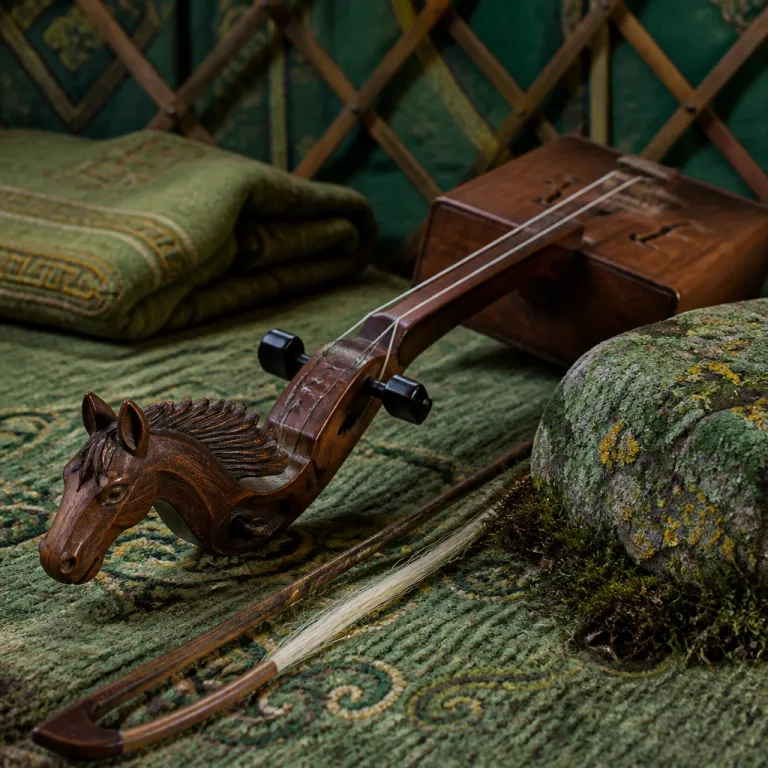
Khoomei, the Mongolian art of overtone singing, is recognised by UNESCO as an element of the intangible cultural heritage of humanity, and that status matters when you are deciding between staged throat singing and the real thing. In a genuine performance, the voice does not chase applause; it follows the rhythm of the morin khuur horsehead fiddle, the pulse of the drum and the quiet of the surrounding land. You hear distinct sounds layered together, a low Mongolian throat drone with a high whistle like wind over the Altai Mountains, and you sense why this heritage status is more than a label.
By contrast, many hotel lobby shows compress this cultural heritage into a short, photogenic segment that fits between cocktails and dessert. The singers often lean on exaggerated gestures, simplified music and a single Mongolian throat phrase repeated for effect, which flattens the style into background entertainment. If you want your Mongolian throat singing experience to feel honest, look for settings where throat singers perform for their own community first and for visitors second.
Ulaanbaatar’s refined stays and where khoomei still sounds honest
Ulaanbaatar is where most luxury travelers first hear Mongolian music, and the city offers both polished hotels and serious cultural venues. The Tumen Ekh Ensemble, considered a premier guardian of Mongolian music, presents khoomei singing in a theatre setting that still respects the roots of the tradition and its place in Mongolia’s cultural heritage. Their shows typically run for about an hour in the late afternoon or evening, and schedules are usually published a few weeks ahead at the theatre or through reputable tour agencies.
Ayan Zalaat Hotel has leaned into this heritage by hosting Tumen Ekh style performances at its Ayan Theater, pairing throat singing with Biyelgee folk dance and live morin khuur to create a full evening rather than a quick interlude. Here, the singers are trained in traditional vocal style, and you can actually see how their vocal cords adjust to produce the layered sounds that define khoomei singing. One traveler described sitting in the front row and feeling “the high overtone buzzing in my teeth while the low note sat in my ribs,” which is where the official explanation — “What is Khoomei? Traditional Mongolian throat singing producing multiple tones simultaneously.” — stops being a definition and becomes something you feel in your bones.
To frame the evening properly, combine the performance with a slow Mongolian dinner in the same property or at another refined address in the city. Order dishes like steamed mutton, handmade noodles and fermented mare’s milk while the music still vibrates in your ears, and you will understand how singing khoomei grew from everyday nomadic life rather than from a stage. For more context on where to stay, consult a curated guide to elegant hotels in Ulaanbaatar for a refined city stay, then pair your chosen property with a night at Tumen Ekh instead of relying on generic lobby entertainment. If any hotel links you use are affiliate recommendations, treat them as commercial suggestions rather than independent endorsements.
Many couples also like to balance intense vocal performances with quieter wellness rituals in the city. A traditional treatment such as the one described in this detailed look at what a traditional Mongolian massage actually does can be a thoughtful counterpoint to the raw power of Mongolian throat singing. The contrast between a therapist’s hands and a throat singer’s voice underlines how deeply sound and touch both sit inside Mongolian culture.
Western Mongolia, Altai Mountains and the heartland of khoomei
Leave Ulaanbaatar and the music changes character, because western Mongolia is where khoomei still lives inside daily herding routines. Chandmani village in Khovd Province is widely regarded as a cradle of throat singing, and many throat singers here learned the style from parents and grandparents rather than from conservatory teachers. When you listen in this landscape, the sounds of the river, animals and wind fold into the music until the line between natural sound and human voice almost disappears.
Reaching Chandmani usually involves a flight from Ulaanbaatar to Khovd town followed by a several hour drive across open country, so your Mongolian throat singing experience becomes part of a broader travel story. As a rough guide, the flight takes around two hours and the onward drive can add three to five hours depending on road conditions, so most visitors arrange a driver through a local tour operator or guesthouse. Luxury level comfort here does not mean marble lobbies; it means a well heated ger, thick felt blankets, and a host who knows which families include a master throat singer or a group of Tuvan throat specialists.
Many nomadic herders in the Altai Mountains region share musical roots with Tuvan communities across the border in Russia and with Inner Mongolia in China, so you will sometimes hear Tuvan throat styles alongside Mongolian throat traditions during the same evening. Summer festivals in the Altai Mountains often bring together singers from different valleys, and these gatherings feel more like community celebrations than staged shows. You might sit beside elders who quietly assess each throat singer’s control of overtones while children imitate the sounds at the edge of the circle, turning the event into a living lesson in intangible cultural practice.
If you plan to travel during peak season, consult a planning resource such as the guide to summer properties to lock in early, then coordinate your bookings with local festival dates to secure both a comfortable base and access to real performances. Ask your host or agency to confirm dates with the local cultural centre in Khovd or with district officials, because smaller festivals sometimes shift by a few days due to weather or herding needs.
Choosing hotels that respect khoomei as cultural heritage, not décor
Not every luxury hotel in Mongolia treats throat singing with the same respect, and your choices send a clear signal. Properties that work with established ensembles such as Tumen Ekh or with Altai Mountains nomads tend to present singing as a central cultural experience rather than as background music. They brief guests on the UNESCO intangible status of singing khoomei and explain why this vocal style is considered part of the world’s intangible cultural heritage of humanity, which changes how you listen.
When evaluating a property, ask who the singers are, how long they perform and whether the program includes context about Mongolian music and instruments like the morin khuur. A serious hotel will know the names of its throat singers, understand the difference between various khoomei singing styles and be able to explain how performers protect their vocal cords while sustaining such powerful sound. They may also mention partnerships with local cultural organisations or tourism boards that support the preservation of Mongolian throat traditions beyond the hotel walls.
Be cautious with venues that advertise “exotic shows” without naming ensembles, because these often compress multiple cultural elements into a single, fast paced performance. In such settings, the music becomes a visual spectacle, and the throat singing segment can feel interchangeable with any other act on the program. For a couple seeking a meaningful Mongolian throat singing experience, it is worth paying a little more for a property that treats singers as artists rather than as anonymous entertainers.
As a quick checklist, ask hotels or tour operators: Can you name the ensemble or individual throat singers? How long is the performance and is there an introduction in English? Are the musicians paid directly and do you support any local cultural projects? Clear, specific answers to these questions are a strong sign that your Mongolian throat singing evening will be handled with respect.
Festivals, monasteries and how to build a balanced cultural itinerary
Some of the most memorable encounters with Mongolian throat singing happen when you weave performances into a broader cultural circuit. The Naadam festival in Ulaanbaatar and regional centres combines wrestling, horse racing and archery with music, and you will often hear throat singing alongside other traditional genres on the main stage. In the capital, Naadam usually takes place in mid July, with program details announced in advance by city authorities and cultural organisations, and serious singers treat the event as a platform for cultural heritage rather than as a tourist photo opportunity.
Buddhist monasteries add another layer through Tsam dance festivals, where masked monks move to ritual music that shares the same deep respect for sound as a carrier of meaning. You may not always hear overtone singing during Tsam, yet the way the drums, horns and human voice interact echoes the discipline required for khoomei singing. Experiencing both a Tsam festival and a Mongolian throat performance during the same trip reveals how different strands of intangible cultural practice in Mongolia support each other.
As you plan, remember that “Where can I hear authentic Khoomei in Mongolia? Tumen Ekh Ensemble in Ulaanbaatar and Altai Mountains nomadic communities.” is more than a practical answer. It is a blueprint for a journey that moves from refined city hotels to remote western Mongolia camps, from theatre seats to felt cushions in a family ger. Build your itinerary around a few anchor events — a Tumen Ekh show, a Naadam or local festival, a monastery Tsam and an evening with Altai throat singers — and your Mongolian throat singing experience will feel layered, honest and worthy of the landscape that shaped it.
FAQ
What is khoomei and why is it important in Mongolia?
Khoomei is traditional Mongolian throat singing in which one voice produces multiple tones at the same time. This overtone singing technique is recognised by UNESCO as an element of the intangible cultural heritage of humanity, reflecting its deep roots in nomadic life and spiritual practice. In Mongolia, khoomei is both everyday music and a symbol of national identity, heard in family gatherings, festivals and professional performances.
Where can I hear authentic throat singing without it feeling staged?
For an accessible yet serious performance, the Tumen Ekh Ensemble in Ulaanbaatar offers well curated shows that respect the tradition. Travelers with more time can head to western Mongolia, especially Chandmani village and the wider Altai Mountains region, where nomadic herders and throat singers perform in community settings. Choosing hotels that partner with recognised ensembles or local masters rather than generic entertainers is the most reliable way to avoid purely tourist oriented shows.
When is the best season to plan a Mongolian throat singing experience?
The most reliable window for performances in Ulaanbaatar runs from late spring to early autumn, when ensembles such as Tumen Ekh maintain regular schedules. In western Mongolia, summer brings festivals and community gatherings in the Altai Mountains, which often feature khoomei alongside other traditional arts. Winter can still offer intimate indoor performances, but travel logistics and weather become more challenging for visitors.
How can I tell if a hotel performance respects the cultural heritage of khoomei?
Serious properties name their singers or partner ensembles, explain the history of Mongolian music and mention the UNESCO intangible status of singing khoomei. They usually present a longer, structured program with context rather than a brief, generic segment squeezed between other acts. If staff can discuss styles, instruments like the morin khuur and how performers protect their vocal cords, you are likely in good hands.
Is it possible to combine luxury travel with visits to remote throat singing communities?
Yes, many travelers pair high comfort hotels in Ulaanbaatar with well equipped ger camps or guesthouses in western Mongolia. You might fly into the capital for refined city stays and theatre performances, then connect to Khovd or other regional hubs for guided trips into the Altai Mountains. Working with specialists who understand both hospitality standards and local cultural networks ensures that your Mongolian throat singing experience remains authentic without sacrificing safety or basic comfort.