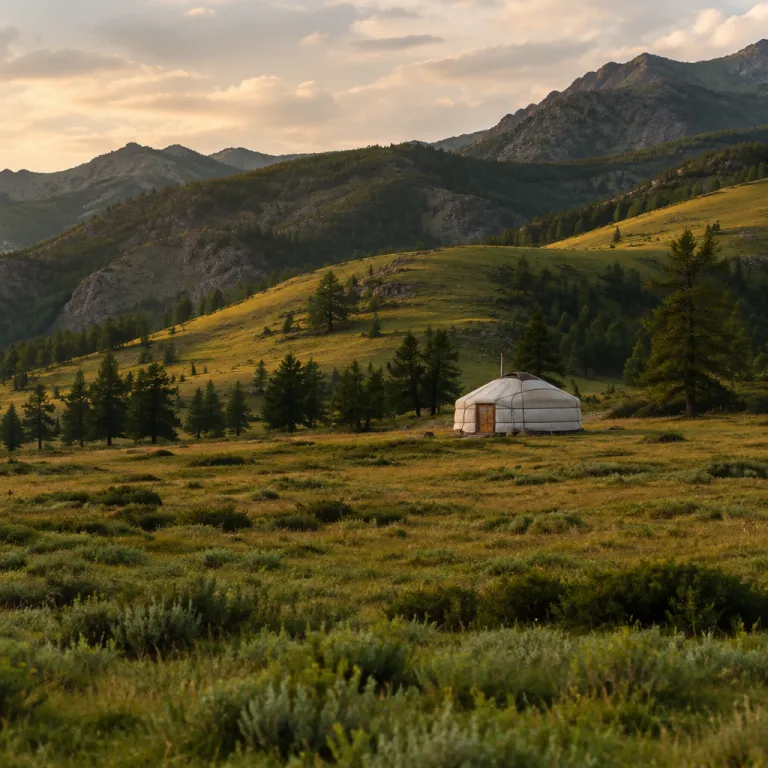
Why Mongolia is the rare place where digital detox is not a performance
In Mongolia, silence is not a spa add-on, it is the default setting. The country’s vast steppe, desert and mountain regions create a natural Mongolia digital detox retreat environment where signal bars vanish long before your stress does. For people interested in genuine stillness, this is where a digital detox stops being a lifestyle choice and becomes the only way to travel.
Once you leave Ulaanbaatar, large areas of Mongolia have no mobile coverage, so any digital detox retreat here is enforced by geography rather than marketing language. According to the International Telecommunication Union, rural mobile broadband penetration in Mongolia is still far below urban levels, which means long stretches of road and steppe remain offline. That absence of constant connectivity calms the nervous system in a way that curated wellness retreats in India, Thailand or Bali rarely manage, because there is no secret Wi‑Fi network for staff and influencers. Couples used to daily digital routines of email checks and social media scrolling suddenly face a different kind of schedule, shaped by light, wind and the sound of horses outside the ger camp.
Luxury properties featured on mymongoliastay.com lean into this remoteness, positioning each wellness retreat as a place where you can finally feel free from notifications. Some stays sit near a national park, others in the Gobi Desert, but all use distance as their primary amenity rather than a long spa menu. When you book a Mongolia digital detox retreat, you are not buying a themed weekend; you are stepping into a landscape that has been largely screen-free for centuries, with all the beauty and occasional discomfort that implies.
The first days offline: restlessness, resistance and recalibration
The first day of any Mongolia digital detox retreat is rarely serene, despite the brochure promises. Many people arrive from long-haul wellness travel circuits that might have included Costa Rica, Sri Lanka or Bali, expecting instant healing and cinematic sunsets. What they meet instead is a long, quiet afternoon where the only attractions are a distant ridgeline, a kettle on the stove and their own unoccupied thoughts.
Couples often report that the initial day-one digital experience feels edgy, as if their nervous system is searching for the next notification that never comes. This is where a Mongolian camp differs from polished wellness retreats in India or Thailand, because there is no lobby screen showing flight times and no business center to tempt you back into email. If you have come straight from one of Ulaanbaatar’s luxury business hotels, which we review in depth in our guide to premium business friendly stays in Mongolia, the contrast can feel almost brutal.
By the second or third day, though, most people interested in a true detox retreat notice a subtle shift in how they feel. Sleep deepens, conversations lengthen and the compulsion to document every moment on social media fades into the background. The Mongolia digital quiet starts to work as a form of holistic healing, even before any formal yoga meditation or sound healing session begins. As one guest at Three Camel Lodge in the Gobi put it, “By day three I stopped reaching for a phone that wasn’t there and started watching the sky instead.”
How the steppe structures time when screens fall silent
On a Mongolia digital detox retreat, time stops being chopped into fifteen-minute calendar slots. Instead, the day stretches and contracts around the fire, the horses and the weather rolling over the steppe. You start to feel how nomadic life has always been a kind of year-round wellness travel practice, long before the term existed.
Morning begins when the light hits the canvas of your ger, not when a digital alarm vibrates on a bedside table. At some retreats, a simple yoga meditation session happens near the river, while at others the only wellness ritual is helping your host collect water or tend to the herd. This is not the choreographed schedule of famous detox retreats in Costa Rica or Sri Lanka, where every hour is filled with spa treatments, sound healing or group workshops.
Luxury camps listed in our guide to premium hotel booking in Mongolia understand that the top attraction here is the landscape itself. A well-run wellness retreat will keep activities light, perhaps offering a half-day ride into a nearby national park and an evening digital detox ritual around the fire. The rest of the time is left deliberately free, allowing people interested in slowing down to notice how their nervous system syncs with the rhythm of clouds, birds and distant hooves at a truly screen-free ger camp.
What operators get right and wrong about detox retreats in Mongolia
Not every camp that markets itself as a Mongolia digital detox retreat delivers the same depth of experience. Some properties import a familiar spa-and-smoothie model from Bali or Thailand, layering it onto the steppe without adjusting for local culture. Others lean into the rawness of the environment, offering fewer amenities but a more honest kind of healing.
The best retreats treat digital silence as a starting point, then build a thoughtful wellness program around it rather than a gimmick. You might find gentle yoga meditation in the morning, simple sound healing with traditional instruments at night and long unscheduled afternoons that feel almost radical. These places understand that people interested in detox retreats are not just chasing another stamp in their travel passport; they are looking for a reset that expensive spa complexes in India or Bali sometimes overcomplicate. At Terelj Mountain Lodge, for example, a former guest wrote that “the strongest treatment was the three hours we spent doing nothing but watching the valley change color.”
Less convincing operators treat the steppe as a backdrop for Instagram, quietly offering Wi‑Fi in the dining tent and encouraging constant reviews during the stay. That approach keeps the nervous system in a half-alert state, undermining the very idea of a detox retreat. When you browse options on mymongoliastay.com or our curated overview of Mongolia in style luxury stays, look for language that emphasizes free time, limited connectivity and small-scale camps rather than long lists of digital amenities. Also pay attention to practical details such as group size, emergency communication protocols and clear information on seasonal weather.
Who changes, who resists and how couples can prepare
A week at a Mongolia digital detox retreat does not land the same way for every guest. Some people relax into the silence within a day, while others resist until the final night, still mentally composing emails they cannot send. Couples often arrive with different thresholds for stillness, which can either deepen intimacy or expose fault lines.
Those who usually lead high-intensity teams or manage constant social media campaigns often struggle most in the first days. Their nervous system is tuned to rapid response, so the slow pace of a Mongolian camp can initially feel like a loss of control rather than a luxury. Yet these same people frequently leave the most powerful reviews, describing how the absence of digital noise allowed them to feel their own preferences again instead of reacting to everyone else’s.
Preparation matters, especially for people interested in combining wellness travel with demanding careers back home. Before you fly, set clear expectations with colleagues about your availability, and treat this retreat as you would a serious offsite rather than a casual spa weekend. Agree as a couple on one short daily digital check-in window, if absolutely necessary, then let the rest of the day remain screen-free so the Mongolia digital quiet can actually do its work. It is also worth budgeting for the higher cost of remote logistics and accepting that last-minute itinerary changes can happen due to weather or road conditions.
Practical booking guidance for a screen free luxury stay on the steppe
Choosing the right Mongolia digital detox retreat starts with being honest about how much comfort you need. Some luxury ger camps offer en suite bathrooms, refined dining and small spa cabins, while others keep things simple with shared facilities and a focus on landscape. Both styles can support deep healing, but only if they match your expectations and your tolerance for rustic details.
When comparing retreats, look beyond glossy photos and read how they talk about connectivity, free time and structured activities. A serious wellness retreat will be explicit about limited signal, minimal digital infrastructure and a program that privileges rest over constant workshops. If a property feels more like a transplanted version of Dharana Shillim in India, with a heavy emphasis on complex schedules, it may not offer the same kind of nervous system reset as a quieter Mongolian steppe detox camp.
Use guest reviews carefully, focusing on comments about silence, pacing and how people feel by the final day rather than only on food or spa details. Couples who have previously visited wellness retreats in Costa Rica, Sri Lanka or Bali often highlight how Mongolia’s year-round harshness strips away wellness clichés and leaves only what works. In that sense, a well-chosen detox retreat here can sit alongside the world’s top destinations for holistic healing, without copying their playbook. As a simple checklist, pack layered clothing, a warm jacket, sturdy boots, a headlamp, a paper notebook, a physical book and written emergency contacts for anyone who may need to reach the camp through the operator.
Key figures on digital overload, nature and mental reset
- According to the International Telecommunication Union’s “Measuring Digital Development: Facts and Figures 2023” report, Mongolia’s mobile broadband penetration remains significantly lower in rural areas than in Ulaanbaatar, which means large regions of the steppe still have limited or no signal compared with urban centers.
- Research summarized by the American Psychological Association in its 2019 “Stress in America” survey indicates that heavy daily social media use is associated with higher reported stress levels, especially among adults who check their phones more than once every waking fifteen minutes.
- A 2019 study led by White and colleagues at the University of Exeter Medical School, published in Scientific Reports, found that spending at least 120 minutes per week in natural environments is linked to better self-reported health and well-being, regardless of how that time is distributed across the week.
- Data from the Global Wellness Institute’s “Global Wellness Tourism Economy” report (2018) places wellness travel as one of the fastest growing segments of tourism, with nature-based wellness retreat experiences outpacing traditional urban spa stays in growth rate.
FAQ: Mongolia digital detox retreats for luxury travelers
How many days should I plan for a meaningful digital detox in Mongolia ?
Most couples find that a five to seven day stay at a Mongolian camp allows enough time to move through initial restlessness and into a deeper sense of calm. Shorter two or three day retreats can be restorative, but they often end just as your nervous system begins to settle. If your schedule allows, aim for at least six nights in one place rather than hopping between multiple retreats.
Will I have any mobile or internet access during my retreat ?
Outside Ulaanbaatar and a few larger towns, coverage is patchy and often disappears entirely once you reach remote camps. Some luxury properties keep a satellite connection for emergencies, but it is usually reserved for staff and critical communication. You should plan as if you will be fully offline for the duration of your stay, then treat any unexpected signal as a bonus rather than a guarantee.
How does a Mongolian detox retreat compare with places like Bali or Costa Rica ?
Retreats in Bali, Costa Rica, India or Thailand typically offer extensive spa menus, large wellness teams and dense daily schedules. Mongolia, by contrast, leans on space, silence and simple routines rather than complex programming. If you want structured classes every hour, the tropical model may suit you better; if you crave emptiness and genuine disconnection, the steppe usually wins.
What should I pack for a year round digital detox retreat in Mongolia ?
Weather can shift quickly, so bring layered clothing, a warm jacket, sturdy boots and a hat for both sun and wind. Add a headlamp, a paper notebook, a physical book and any yoga or meditation accessories you like, since you will not rely on digital devices. Luxury camps provide bedding and most essentials, but personal comfort items make the long quiet evenings more enjoyable.
How can I ease the transition back to normal life after the retreat ?
Give yourself at least one buffer day at home before returning to full work intensity, and avoid scheduling major meetings immediately after your flight. Reintroduce digital tools gradually, perhaps checking email in two or three defined windows rather than constantly. Many guests also keep one small ritual from the steppe, such as a daily walk without their phone, to extend the benefits of their Mongolia digital detox retreat.