The World Tourism Day moment in Mongolia’s wild luxury arc
World Tourism Day lands in Mongolia at a pivotal moment. Visitor numbers are climbing, visa free access has widened, and a deliberate push for tourism is reshaping how sustainable luxury travel in Mongolia will look in the next decade. For a traveler planning a high end trip, this is both an opportunity and a responsibility.
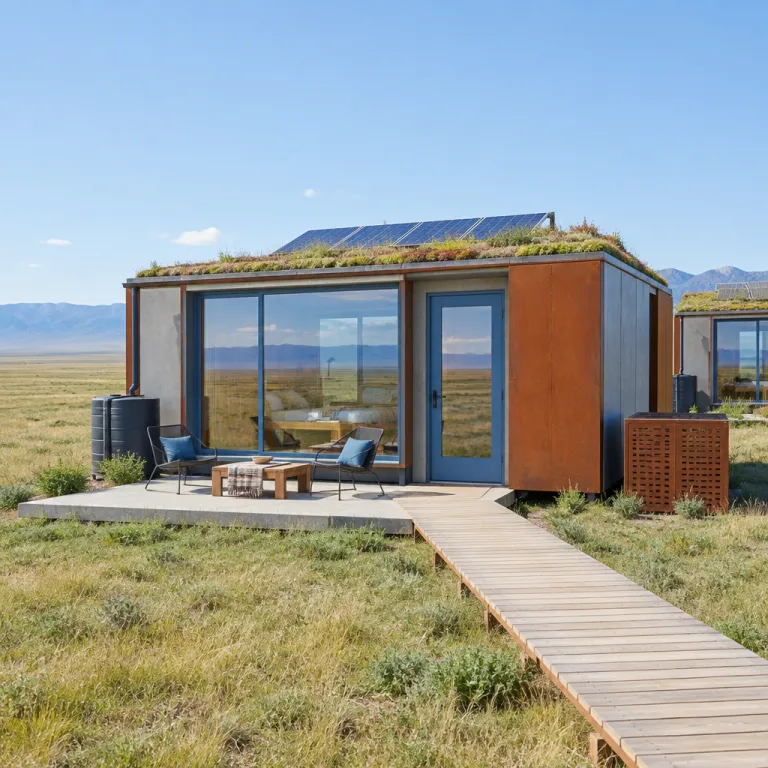
Across Mongolia, new ger camps, eco lodges and premium view hotel properties are opening from Ulaanbaatar to the Gobi Desert and the Altai Mountains. Some elevate luxury travel with solar power, grey water systems and genuine partnerships with nomadic people, while others strain fragile grasslands and water sources. The difference between those two paths is where your booking money lands, and how your own journey through wild Mongolia will be remembered by the communities hosting you.
Think of your journey Mongolia itinerary as a series of choices rather than a fixed product. A single day in the Gobi, a family adventure at Lake Hovsgol or a small group trek in western Mongolia can either support nomadic expeditions that pay herder families fairly, or fuel extractive experiences that treat camel herders and eagle hunters as props. As you start planning, World Tourism Day is a sharp reminder that sustainable luxury travel in Mongolia is not a theme on a website ; it is a set of decisions you make before, during and after your trip.
Seasonality matters as much as location. The peak sept oct window around the eagle festival and the camel festival concentrates pressure on a few valleys, sand dunes and national park zones, especially in the Altai Mountains and the Gobi Desert. Choosing shoulder dates, staying longer in each ger camp and asking how your host manages waste and water are simple moves that keep your own travel footprint lighter while still delivering the kind of Mongolian luxury experience you came for.
From Ulaanbaatar to the Gobi Desert: where luxury meets fragile land
The front line of sustainable luxury travel in Mongolia is not a remote ger, but the hotel lobby in Ulaanbaatar where your journey begins. The capital’s best properties now balance polished service with energy efficient systems, local sourcing and partnerships with Mongolian artisans, and these choices ripple outward across your entire trip. When you choose an elegant city base that values sustainability, you set the tone for every later night spent under the stars in wild Mongolia.
Use your first day in Ulaanbaatar to ask precise questions at reception. How does the hotel manage water use in a country where many nomadic people still haul it by hand, and how are they reducing waste from imported luxury products that never reach a ger in the countryside ? A property that can answer clearly is more likely to work with responsible ger camps in the Gobi Desert, at Lake Hovsgol or near Terelj National Park, and you can find curated options in our guide to elegant hotels in Ulaanbaatar for a refined city stay.
Out in the Gobi, the definition of luxury changes fast. A heated ger, a hot shower and a wide view over sand dunes feel indulgent, but the real test of sustainable luxury travel in Mongolia is what you do not see ; diesel generators running all night, plastic bottles piling up behind the kitchen, or camel herders paid a flat fee with no share in the camp’s success. Ask whether your Gobi Desert camp uses off grid solar, how they treat grey water and whether camel treks are capped in group size to protect fragile desert plants.
Autumn is a powerful time to be in Mongolia’s landscapes. Around sept oct, the larch forests near Lake Hovsgol and the valleys of western Mongolia turn gold, and the pressure on national park trails rises with every Instagram post. Before you book a luxury travel package for this foliage season, read our analysis of timing Mongolia’s larch and birch foliage before it vanishes, then choose operators who limit small group departures and work with local rangers rather than bypassing them.
Nomadic partnerships, not performances: rethinking festivals and field days
Nowhere is the tension between spectacle and respect more visible than at Mongolia’s festivals. The eagle festival in western Mongolia and the camel festival in the Gobi attract photographers, influencers and luxury travel brands, all chasing the same golden eagle shot or camel race view. For nomadic families, these events can be both a vital income stream and a distortion of their year round reality.
Responsible travelers treat each festival day as one chapter in a longer journey Mongolia story. Instead of flying in for a two day eagle festival package and flying straight out, consider spending extra nights in a ger with a host family, paying for language help and horse hire, and asking how your presence fits into their annual cycle. A small group stay that pays eagle hunters and camel herders per guest, not per show, is more likely to keep these traditions alive without turning them into pure performance.
Winter brings another layer to sustainable luxury travel in Mongolia. Temperatures drop, the steppe empties of visitors and the silence around an eagle and its handler in the Altai Mountains feels almost private, and this is when thoughtful nomadic expeditions can operate with less strain on water and grazing land. If you are tempted by the idea of snow dusted sand dunes or a frozen Lake Hovsgol, our feature on why Mongolia’s winter season is luxury travel’s last untapped frontier explains how to do it without overwhelming local infrastructure.
Authenticity is not a costume, and you will feel the difference quickly. When an eagle hunter invites you to watch his golden eagle training at dawn, with no other guests and no fixed performance time, the experience feels intimate and unscripted, and your payment goes directly to the family. When a tour bus unloads thirty cameras in front of the same man and his bird, the line between cultural exchange and extraction has already been crossed, and sustainable luxury travel in Mongolia becomes a slogan instead of a practice.
How to vote with your booking: questions, red flags and real impact
Responsible luxury on the steppe starts long before you land in Mongolia. The emails you send while you start planning your trip are your strongest tools, and the way an operator answers them reveals more than any brochure. Treat every exchange as a quiet World Tourism Day audit of how your money will move through Mongolian landscapes and communities.
Ask your hotel or ger camp how many Mongolian staff they employ in management roles, not just in housekeeping or driving. Clarify whether they work with herder families near Terelj National Park, Lake Hovsgol or the Altai Mountains on multi year agreements that share risk and reward, or whether they simply hire camels and horses by the day when a small group arrives. A company that can explain its partnerships clearly is usually the one that also caps group sizes, avoids off road driving in the desert and invests in long term water solutions.
On the ground, your choices remain powerful. Choose a view hotel in Ulaanbaatar that sources food from local markets rather than flying in everything, then connect that same standard to your ger stays in wild Mongolia, where a simple bowl of hand cut noodles can be a luxury when it supports a nearby family. When you ride a camel across the Gobi Desert or hike in a national park, ask your guide how they handle waste, whether they use existing tracks across sand dunes and mountains, and how they brief guests on respecting nomadic people’s privacy.
Honest, unsponsored reviewing is part of this infrastructure. At mymongoliastay.com, we do not accept paid placements or hidden commissions ; our role is to map where sustainable luxury travel in Mongolia is working, and where it is falling short, so that your next journey Mongolia can be both extraordinary and fair. World Tourism Day is a reminder that every eagle sighting, every ger night and every desert sunrise is shared space, and the way you travel helps decide what will still be possible for the next traveler who comes looking for the same view.
FAQ
When is the best time for sustainable luxury travel in Mongolia ?
The most popular period for luxury travel in Mongolia runs from late spring through sept oct, when temperatures are milder and access to the Gobi Desert, Lake Hovsgol and the Altai Mountains is easier. For a lighter footprint, consider shoulder seasons at the start or end of this window, when national park trails and sand dunes are quieter. Winter can also be an exceptional time for small group trips with responsible operators who are set up for cold weather logistics.
How can I tell if a ger camp is genuinely sustainable ?
Look for clear information on off grid power, water use and waste management before you book. A responsible ger camp in Mongolia will explain how it sources water, treats grey water, manages rubbish and limits vehicle use across fragile desert or steppe terrain. You should also see evidence of long term partnerships with nearby nomadic families, not just one off camel rides or eagle shows.
Are festivals like the eagle festival and camel festival ethical to attend ?
They can be, if you choose your operator carefully and travel in a way that respects local rhythms. Prioritize small group itineraries that spend several days with host families, pay eagle hunters and camel herders fairly and avoid staging repeated performances just for photos. Ask how your presence fits into the community’s annual calendar, and be ready to walk away from offers that feel like pure spectacle.
What questions should I ask a hotel or tour operator before booking ?
Ask about local hiring, environmental practices and community partnerships in specific terms. For example, request details on how many Mongolian staff hold management roles, how the property reduces water and energy use, and which herder families or village groups benefit financially from your stay. A transparent, detailed answer is a strong sign that your money will support sustainable luxury travel in Mongolia rather than short term extraction.
Is it possible to travel solo in Mongolia while staying sustainable and safe ?
Solo travel is entirely feasible if you plan carefully and work with reputable local partners. Many operators offer tailored small group segments or private drivers that allow you to move between Ulaanbaatar, the Gobi Desert, Lake Hovsgol and western Mongolia without joining large convoys. As a solo traveler, you can be especially nimble in choosing low impact stays, asking detailed questions and adjusting your journey Mongolia in real time to support the most responsible options.