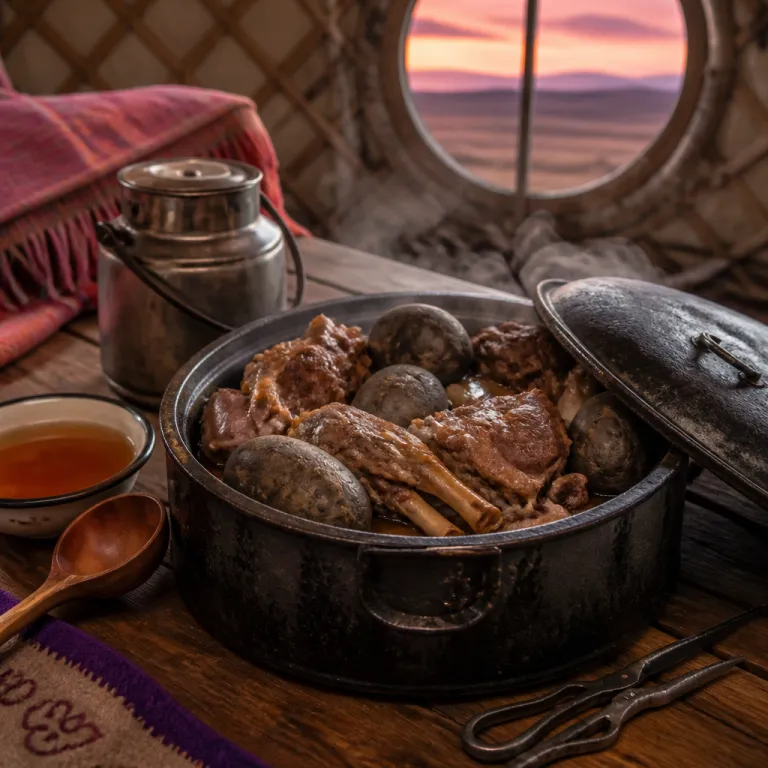
What a true Mongolian khorkhog experience means for luxury travelers
Khorkhog is the Mongolian nomad feast where mutton or lamb is cooked with river rocks inside a sealed metal pot over open fire. This mongolian khorkhog experience matters less for the exact recipe and more for how the hot stones, the smoke and the waiting reshape your sense of time in Mongolia. For families booking premium stays, it becomes the one meal where children watch meat and vegetables transform slowly and then eat khorkhog under a sky so wide it feels almost unreal.
At its core, khorkhog mongolian cooking is simple yet theatrical, with chunks of lamb or mutton goat layered with potatoes, carrots and onions inside pot, then packed with hot rocks that have been heated in the flames until they glow. The pot is sealed to build pressure, turning the interior into a kind of nomadic barbecue traditional chamber where the cook meat becomes impossibly tender while the vegetables absorb fat and smoke very well. When the khorkhog ready moment comes, the lid opens in a rush of steam and cooked aromas that feel like the essence of traditional Mongolian steppe life condensed into one pot.
Luxury camps and high end lodges across Mongolia now frame this mongolian food ritual as a signature experience, yet the best versions still respect the original rhythm of cooking entire animals slowly over fire. You will see staff prepare khorkhog with practiced movements, lifting hot stones with tongs, layering meat and vegetables, then sealing the pot and letting the pressure work while guests sip milk tea or airag nearby. For travelers used to fast restaurant service, the waiting becomes part of the mongolian culture lesson, and children often stay close to watch every step of the cook meat process rather than drifting back to screens.
From Ulaanbaatar to the steppe: where to plan your khorkhog feast
In Ulaanbaatar, several upscale restaurant options offer a controlled version of the mongolian khorkhog experience, useful for families easing into mongolian cuisine before heading into the countryside. These restaurants usually prepare khorkhog mongolian style in a back kitchen, bringing the cooked pot to the table rather than letting guests see the fire, the hot rocks and the full khorkhog ritual. It is convenient, and the meat can be excellent, but the sense of community around the flames is often missing.
Once you leave the capital, the equation changes and the setting begins to matter more than any restaurant plating. On the northern routes toward Khuvsgul Lake and the taiga, for example, several intimate lodges and ger camps now arrange khorkhog by the lakeshore or in forest clearings, turning the barbecue traditional process into an evening focal point for guests. When you plan a tailored northern itinerary, look for properties that explicitly mention open fire cooking and hot stones in their dining descriptions, then ask how they stage the mongolian food experience for families.
Travelers following a curated lake to taiga route can use a specialist guide such as the itinerary outlined for northern Mongolia by design to align lodge stays with nights when a khorkhog ready feast is possible. Many camps require a minimum group size to justify cooking entire pots of mutton goat or lamb, so solo travelers or small families may be invited to mongolia join other guests around one fire. This shared pot dynamic often becomes a highlight, as strangers pass hot stones hand to hand and talk about mongolian culture long after the last cut meat has disappeared from the pot.
How khorkhog is cooked: hot stones, sealed pot and steppe theatre
The classic mongolian khorkhog experience begins with selecting smooth river rocks that can withstand intense heat without cracking. These rocks are placed directly into the fire until they become hot rocks, then transferred quickly into the metal pot where layers of meat, fat and vegetables are waiting. The sound of hot stones hissing against lamb fat is the first signal that the cooking entire ritual has truly started.
Inside pot, the cook will alternate layers of lamb or mutton goat with potatoes, carrots and onions, seasoning simply with salt and sometimes a little pepper. Once the hot stones are buried among the meat, the lid is clamped down to create pressure, turning the vessel into a kind of nomadic pressure cooker that sits over the fire or on hot coals. Over the next hour or more, the cook meat process becomes almost silent, with only the occasional rattle of stones and the smell of mongolian barbecue drifting across the camp.
Luxury ger camps that take food seriously often invite guests to stand near the fire and watch staff prepare khorkhog step by step, explaining how traditional Mongolian herders learned to improvise a barbecue traditional method without fixed ovens. Some properties even contrast khorkhog with boodog, another traditional mongolian technique where meat is cooked with hot rocks inside an animal skin rather than a pot, helping guests understand the range of mongolian cuisine beyond what city restaurants serve. For families, this is where children usually start asking questions about mongolian culture, and where a well briefed guide can turn a simple meal into a living history lesson about life on the steppe and how people adapted to limited fuel and harsh winters.
When you choose a high end ger stay, look for properties that explain how they elevate the traditional ger experience with thoughtful dining rituals rather than only promising generic mongolian barbecue nights. The best camps will talk about hot stones, fire management and the timing of when the pot is sealed, not just about serving cooked meat with a side salad. That level of detail signals a kitchen that respects traditional mongolian techniques while still meeting modern expectations for food safety and comfort.
Luxury camp staging versus herder family hospitality
At a luxury lodge or premium ger camp, the mongolian khorkhog experience is usually choreographed with care, from the moment the fire is lit to the final passing of hot rocks around the circle. Staff will often set up low tables, cushions and lanterns so guests can sit comfortably while the pot cooks, turning the barbecue traditional ritual into an open air dining room. The meat arrives on platters, the vegetables are neatly arranged and the service feels closer to a refined restaurant than to a working herder’s yard.
Staying with or visiting a herder family, by contrast, reveals khorkhog mongolian cooking as part of daily life rather than staged entertainment. The same hot stones and inside pot method appear, but the focus is on feeding family and neighbors, not on performance, and the fire might be built beside a corral or near a simple ger rather than in a landscaped camp. You will likely sit on low stools or carpets, share cut meat directly from the pot and feel the sense of community that underpins mongolian culture more strongly than at any hotel.
Both versions have value for travelers, especially families balancing comfort with authenticity across Mongolia. Luxury camps provide reliable hygiene, controlled cooking temperatures and staff who can adjust seasoning for children, while herder homes offer unfiltered mongolian food traditions and a chance to see how people actually cook meat and live with the land. When planning your itinerary, aim for at least one full khorkhog at a lodge and, if your guide’s relationships allow, one meal with a herder family, so your children can compare how the same meat, rocks and fire create different stories in different settings.
Planning your khorkhog around lodge stays: timing, logistics and family tips
Because khorkhog relies on cooking entire pots of meat with hot stones, it is not a dish that kitchens can produce on a whim for two guests who arrive late. Most lodges in Mongolia ask travelers to request a mongolian khorkhog experience at least one or two days in advance, especially in shoulder seasons when guest numbers are lower. When you confirm your stay, mention that you want to eat khorkhog and ask whether they need a minimum number of people to justify lighting the fire and heating the rocks.
Group size matters because the economics of mutton goat and lamb are different in remote areas where supply runs are infrequent. A full khorkhog pot typically serves a small community or a camp table of eight to twelve, so smaller parties may be invited to mongolia join other guests or staff to share the cooked meat. This shared table can be a gift for families, as children often relax when they see other kids passing hot rocks, laughing at the heat and learning how to handle them safely under adult supervision.
For drinks, expect salty milk tea as the default, with airag sometimes offered where horses are kept and fermented mare’s milk is part of local mongolian culture. Many luxury properties also provide Mongolian beer or international wines, but the pairing that matters most is warmth from the fire and the feeling of community around the pot. If you have dietary restrictions, communicate them early, since traditional mongolian cuisine leans heavily on meat and fat, and kitchens may need time to add more vegetables or alternative dishes without compromising the integrity of the barbecue traditional ritual.
When you research properties, use detailed guides such as this overview of luxury hotel booking and premium stays in Mongolia to identify camps that treat food as a core part of the stay. Then, in your pre arrival emails, ask specific questions about how they prepare khorkhog, whether guests can watch the fire and how they handle hot stones with children present. Clear answers signal a team that understands both traditional mongolian methods and modern safety expectations.
Why khorkhog captivates children and works for premium families
For children used to restaurant dining where food appears fully cooked from an invisible kitchen, the mongolian khorkhog experience feels like live theatre. They watch staff or herders cut meat, layer vegetables, lift hot rocks from the fire and seal the pot, then wait as the pressure builds and the smell of mongolian food spreads across the camp. The moment the lid opens, steam pours out and the first pieces of lamb appear, it becomes a story they will retell long after the trip ends.
Parents appreciate that this ritual naturally slows everyone down, pulling attention away from screens and toward the shared act of cooking entire meals together. Children are usually invited to touch the hot stones briefly, passing them hand to hand to feel the heat and then rubbing them on sore shoulders or knees, a traditional mongolian belief that the rocks carry healing warmth after they have cooked meat. This tactile moment anchors the experience, making the abstract idea of mongolian culture suddenly physical and memorable.
Premium family travelers should still plan with care, especially when younger children are close to open fire and hot rocks. Choose lodges where staff are used to hosting families, where the cooking area is clearly defined and where guides can explain safety rules in simple language before the pot goes on. After the meal, encourage older children to leave comment in the camp guestbook about what it felt like to eat khorkhog under the stars, as this reflection often deepens their connection to both the place and the people who prepared the feast.
Reading the menu: khorkhog, boodog and other mongolian food terms
When you scan menus in Mongolia, you will see several words that sit near khorkhog but describe different techniques, and understanding them helps you choose the right mongolian khorkhog experience for your family. Khorkhog mongolian style always involves meat and vegetables cooked with hot stones inside pot, using pressure and steam to tenderize the lamb or mutton goat. Boodog, by contrast, is meat cooked with hot rocks placed inside a deboned animal skin, often goat, then sealed and roasted over fire, creating a more intense and sometimes gamier version of barbecue traditional cooking.
The phrase mongolian barbecue on city restaurant menus usually refers to a grill buffet concept popularized abroad, where thin slices of meat and vegetables are stir fried on a flat metal surface. This mongolian barbecue style can be fun, but it does not reflect traditional mongolian cuisine in the way that khorkhog or boodog do, and it rarely involves hot rocks or sealed pots. When your goal is to connect with mongolian culture rather than just eat grilled meat, prioritize places that talk about fire, stones and pressure cooking rather than only about sauces and toppings.
Some high end restaurants and camps now offer tasting menus that weave together small portions of khorkhog, boodog and other mongolian food specialties, allowing guests to compare textures and flavors in one sitting. If you choose this route, ask whether any part of the cooking entire process happens where guests can watch, since the visual drama of lifting hot stones and opening the pot is central to the story. After such meals, many properties invite guests to leave comment on feedback cards or digital platforms, and thoughtful notes about how the meat, rocks and fire shaped your evening can encourage kitchens to keep investing in authentic, well executed traditional mongolian dishes.
Key figures on khorkhog, tourism and dining in Mongolia
- According to Mongolia’s Ministry of Environment and Tourism, international tourist arrivals surpassed one million recently, with a significant share citing traditional mongolian food, including khorkhog, as a primary cultural interest.
- Surveys by the Mongolian Tourism Association indicate that more than half of visitors who stay in ger camps outside Ulaanbaatar request at least one traditional hot stones meal such as khorkhog or boodog during their trip.
- Data from major tour operators show that itineraries including at least one planned mongolian khorkhog experience have higher guest satisfaction scores than similar routes without a fire cooked feast.
- Restaurant and camp owners in Mongolia report that group sizes of eight to twelve guests are the most efficient for cooking entire khorkhog pots, balancing meat quality, fuel use and service timing.
- Industry feedback suggests that premium family travelers are among the most enthusiastic participants in hot rocks dining rituals, with many children rating khorkhog nights as their favorite memory of Mongolia.
FAQ about planning a khorkhog feast during a luxury stay
How far in advance should I request khorkhog at a lodge ?
Most luxury lodges and ger camps in Mongolia ask guests to request a mongolian khorkhog experience at least one or two days before the planned meal. This lead time allows kitchens to source enough lamb or mutton goat, prepare vegetables and schedule the fire and hot stones. During quieter periods, more notice may be needed, so mention khorkhog when you first confirm your booking.
Is khorkhog suitable for young children ?
Khorkhog can work very well for children, as the cooking entire process is visually engaging and the cooked meat is usually tender and mildly seasoned. Parents should choose camps experienced with families, where staff manage the fire and hot rocks carefully and explain safety rules clearly. Portions can be adjusted, and kitchens often add extra potatoes or carrots for younger guests.
What is the difference between khorkhog and boodog ?
Khorkhog uses hot stones placed inside pot with chunks of lamb or mutton goat and vegetables, then sealed to build pressure and steam. Boodog instead places hot rocks inside a deboned animal skin, often goat, which is then roasted over fire without a metal pot. Both are traditional mongolian dishes, but khorkhog tends to be milder and more approachable for first time visitors.
Can I find authentic khorkhog in Ulaanbaatar restaurants ?
Several restaurants in Ulaanbaatar serve khorkhog, but many prepare it in kitchen ovens rather than over open fire with visible hot rocks. The flavors can still be good, yet the sense of community around the flames is usually stronger at countryside lodges or herder homes. For a full khorkhog experience, use the city version as an introduction and plan at least one meal in the steppe.
What should I wear for an outdoor khorkhog dinner ?
Outdoor khorkhog meals in Mongolia often run into the evening, when temperatures drop quickly even in warmer months. Wear layered clothing, closed shoes and a windproof jacket, as you will be sitting near fire but still exposed to the elements. Many luxury camps provide blankets, yet packing a warm hat and gloves ensures you can focus on the meat, the rocks and the stars rather than on the cold.