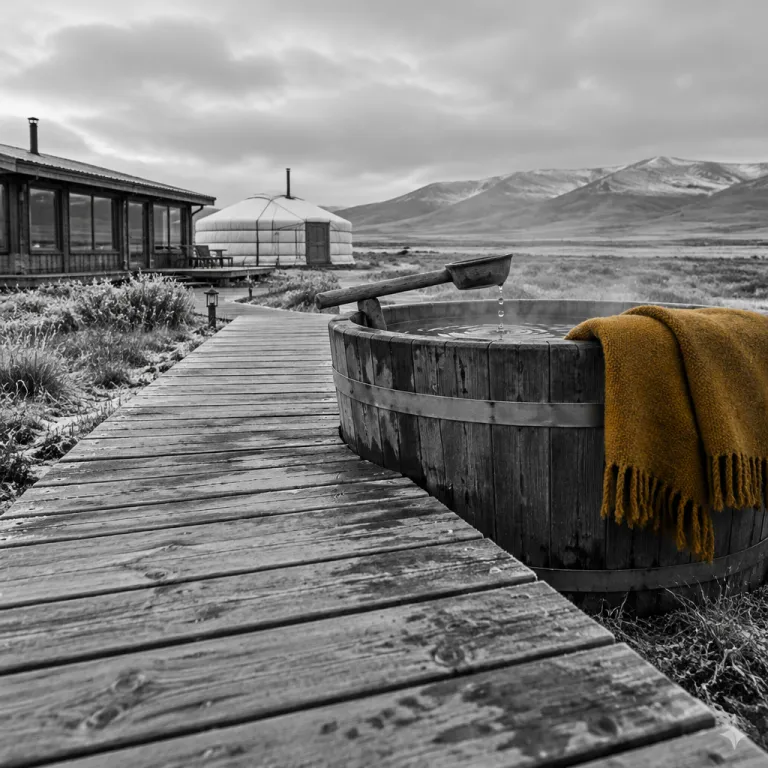
Why late autumn in Mongolia is the ultimate wellness reset
By late autumn, Mongolia has exhaled after the festival and summer rush. The steppe empties, the air sharpens, and a wellness retreat in Mongolia suddenly feels like a private landscape. For an executive used to back to back meetings, that silence becomes the first real luxury of the year.
In this season, wellness retreats across Mongolia shift from social hubs to quiet sanctuaries, and the absence of crowds lets your nervous system finally slow down. You feel the nomadic rhythm in the way the light changes over the plains, and a three or four day retreat can deliver more healing than a longer break in a busier destination. Many guests compare this to wellness retreats in Bali or India, yet the emptiness here offers a different kind of depth and time.
The core of any serious wellness retreat is mental space, and late autumn in Mongolia provides that before you even reach the spa. Executives arriving from long haul flights often report that the first day of travel in Mongolia feels like a decompression chamber, with the city thinning out into open country within minutes. That shift from boardroom to nomadic life is what makes a focused autumn reset uniquely effective for health and clarity.
Hot springs, thermal rituals and traditional Mongolian therapies
When temperatures drop, Mongolia’s geothermal veins come into their own for wellness. Properties that stay open for an autumn spa retreat often sit close to a natural hot spring, and the contrast between cold air and hot mineral water is part of the therapy. A well run spa here understands that executives want both indulgence and measurable health benefits.
At Tsenkher and other classic hot spring valleys, luxury ger camps and lodges keep outdoor pools steaming while larch forests turn copper around them. Tsenkher’s springs, which typically operate from late May through October depending on road conditions, sit about 480 km west of Ulaanbaatar, or roughly an eight to ten hour drive via Kharkhorin. For a deeper dive into this culture of bathing, read the dedicated guide to Mongolia’s original spa hot spring waters before you book. These places now blend traditional Mongolian bodywork with medical wellness protocols, so a retreat can include both a physician led consultation and a long soak under the stars.
Late season spa menus often feature warming compresses, hot stone work and herbal steams designed for the edge of winter. The best retreats Mongolia wide also offer medical wellness check ins, from blood pressure tracking to sleep quality assessments over several days. Executives who only have a short retreat say that this mix of sensory pleasure and medical structure makes the time feel both indulgent and efficient.
Yoga, meditation and the executive autumn reset
For business travelers, the question is not whether to rest but how to reset fast. A late season wellness stay in Mongolia works because yoga, breathwork and silence are framed as performance tools, not vague aspirations. You arrive depleted and leave with a clearer operating system for the next quarter.
Many lodges now program short but intensive yoga retreats tailored to executives, with two focused sessions per day rather than endless workshops. Morning Mongolia yoga classes often face open steppe or river valleys, while evening yoga meditation is held in candlelit gers that mute the outside world. Over three or four days, this rhythm becomes a reset retreat that fits neatly between board meetings and family obligations.
Some properties also bring in medical professionals to align yoga with health metrics, creating a light touch medical wellness framework. In these programs, the wellness retreat is structured like a project sprint, with clear goals for sleep, stress and digital detox. If you want more detail on how high end properties manage this balance, the guide to luxury spa hotels in Mongolia is a useful benchmark before you commit your days and budget.
Nomadic landscapes, altitude and the power of stillness
What sets an autumn wellness experience in Mongolia apart from Bali or India is the landscape itself. You are not just in a spa but inside a living nomadic culture, where space and silence are daily realities rather than curated design choices. That context matters when you are trying to step away from constant notifications and meetings.
In central valleys and the fringes of the Gobi Desert, altitude remains moderate yet the air feels startlingly clean. Executives often notice that a simple day of walking near nomadic families, watching horse riding practice or sharing tea in a ger, slows their internal tempo more than any urban wellness retreats could. The stillness is not empty; it is filled with the low sounds of animals, wind and distant movement, which creates a natural form of yoga meditation even when you are not on the mat.
Late autumn also reveals the structure of nomadic life more clearly, as families prepare for winter and move herds closer to shelter. Staying in retreats across Mongolia at this time gives guests a front row seat to that seasonal reset, which mirrors the personal autumn reset many executives seek. For those traveling with partners or older children, the guide to family friendly luxury hotels in Mongolia helps you choose properties that balance wellness with space for shared travel experiences.
How to structure a three or four day post season stay
To make a late autumn wellness retreat in Mongolia work around a business schedule, structure is everything. Think in terms of a three or four day arc that starts with grounding, moves into deeper work and ends with gentle re entry. This way, even a short retreat feels like a complete narrative rather than a random pause.
On day one, keep travel and light spa time as your only commitments, allowing your body to adjust to the dry air and time zone. Day two and three can then carry the weight of your program, with morning Mongolia yoga, mid day medical wellness check ins and late afternoon hot spring sessions or deep tissue work. If you extend to four days, use the final day for slow horse riding, a walk near the Gobi Desert edge or quiet reading in your ger, so you leave with energy rather than exhaustion.
Practicalities matter, especially for executives used to tight planning and risk management. Always check which wellness retreats remain fully operational in late autumn, as some close spa wings or reduce yoga retreats when winter approaches. Confirm airport transfers, ask about the on site team and ensure your travel insurance covers remote areas and any medical consultations you plan to include.
Weather, closures and choosing between Mongolia, Bali and India
Late autumn in Mongolia is crisp, often bright and undeniably cold at night. In October and early November, daytime temperatures around central spa areas can hover between 0°C and 10°C, with nights frequently dropping well below freezing. That climate is part of the retreat appeal, because moving between hot pools, heated gers and sharp outdoor air creates a powerful circulatory reset. Still, you need the right gear and realistic expectations about weather related changes.
Some retreats across Mongolia close fully once winter sets in, while others run with reduced capacity and a smaller on site team. When you compare this to retreats in Bali or wellness stays in India, you are weighing predictable tropical heat against a more dramatic, seasonal environment. For many executives, the trade off is clear; they prefer a shorter, more intense retreat in Mongolia over longer days in the tropics, because the contrast between cold air and hot spa spaces sharpens their sense of reset.
If you are used to yoga retreats in warmer climates, think of Mongolia as the place for your annual autumn reset rather than a casual break. Pack layers, speak with the property about road conditions and confirm which spa and medical services remain available throughout your chosen days. When you plan with that level of detail, the combination of nomadic culture, medical wellness structure and raw landscape delivers a retreat that feels both rare and repeatable.
FAQ
Is late autumn really a good time for a wellness retreat in Mongolia?
Late autumn is one of the quietest periods for travel in Mongolia, which makes it ideal for a focused wellness retreat. Crowds have gone, yet many high end properties still operate their spa and hot spring facilities through October and, in some regions, into early November. The result is more privacy, deeper silence and staff attention that is hard to secure in peak season.
How many days should I plan for a post season wellness stay?
Executives typically benefit most from a three to four day late season retreat in Mongolia. This duration allows one day for travel and acclimatization, two intensive days of spa, yoga and medical wellness work, and a final softer day before flying out. Shorter stays can still help, but they rarely deliver the same sense of full reset retreats aim to provide.
What kind of wellness activities are available in late autumn?
Even in late season, leading retreats across Mongolia usually offer hot spring bathing, spa treatments, yoga classes and guided yoga meditation. Some properties add horse riding, gentle hikes and cultural encounters with nomadic families, tailored to the colder weather. A few also maintain medical wellness services, such as consultations and basic diagnostics, for guests who want more structured health insights.
How does Mongolia compare with Bali or India for wellness travel?
Bali and India offer lush, warm environments and dense networks of wellness retreats, which suit travelers seeking long stays and varied social scenes. Mongolia, by contrast, excels at shorter, high impact retreats where emptiness, altitude and nomadic life create a strong psychological reset. Many guests alternate between retreats in Bali or India in warmer months and a concentrated autumn wellness stay in Mongolia to mark the transition toward winter.
What should I consider before booking a late season retreat in Mongolia?
Before you book, confirm that your chosen wellness retreat keeps its full spa and yoga program running through late autumn. Check access routes, ask about winter preparations on site and ensure your travel insurance covers remote areas and any planned medical consultations. Finally, pack for hot and cold contrasts, as you will move between heated interiors, hot pools and bracing outdoor air during your days on the steppe.