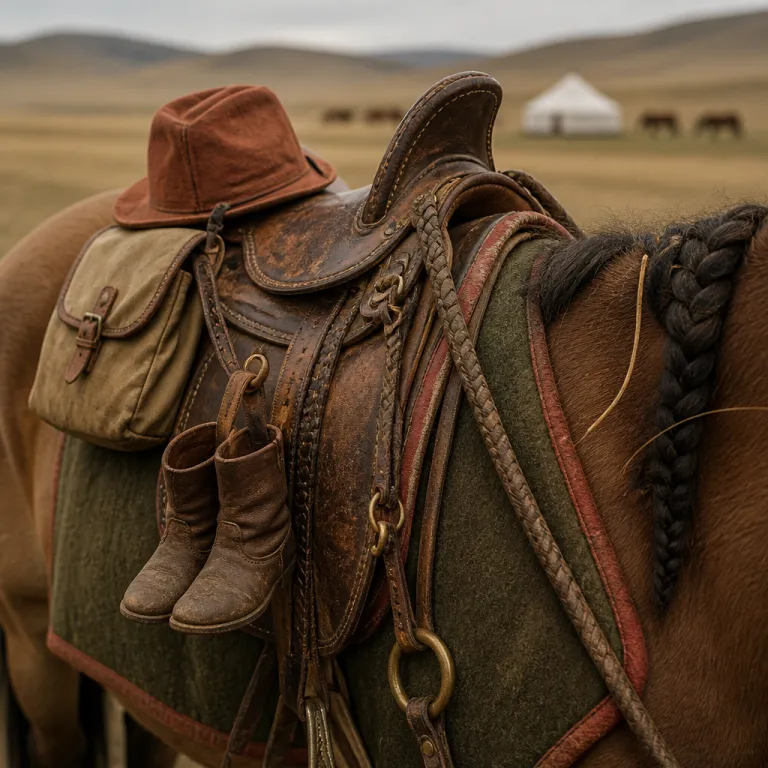
Why mongolia horseback riding family trips feel different from home arenas
Your first Mongolia horseback riding family moment usually starts before breakfast. The air is cold, the light is silver over the grasslands, and a small Mongolian groom is already tightening a girth while your child eyes their first steppe horse with a mix of awe and doubt. Parents who ride at home quickly see that this is not a manicured paddock experience, because the steppe stretches for kilometres and the only fences are distant hills.
In Mongolia the horse is transport, status and childhood companion, so local riders treat horses as partners rather than pets. That shapes every horse riding interaction for visiting families, since your group will often ride alongside nomadic teenagers who learned to ride before they could read. For a cautious ten year old, that contrast can feel intimidating at first, yet the calm, stocky Mongolian horses usually settle nerves within the first hour of the ride.
Luxury ger camp managers understand that a Mongolia horseback riding family needs structure, not just romance. They brief parents clearly on the day’s riding plan, expected hours in the saddle and how the terrain will change as you leave camp and follow trails across low hills or river meadows. A well run camp will also explain how their guides manage group size, which horses they allocate to children and what happens if a young rider wants to end the ride early and return to the ger camp by vehicle.
Age limits, safety rules and what properties rarely say online
Families often ask whether a Mongolia horseback riding family itinerary is realistic with younger children. The honest answer is that most luxury camps in Mongolia set a minimum age of six to eight for independent riders, while some allow younger kids to ride double with a guide for very short periods. When you read that a trip will suit “all ages”, enquire carefully about the real age thresholds for horse riding and how many hours per day the camp expects children to ride.
Policies vary between regions such as the Orkhon Valley, western Mongolia and the Gobi Desert, and they also differ between a polished ger camp and a simple homestay. In the Orkhon Valley, where properties like The Pavilions Mongolia operate, a typical riding holiday for families includes shorter days in the saddle, frequent rest stops and a support vehicle that can collect tired riders. Out in western Mongolia or near the Altai Mountains, some operators still assume a more rugged approach that suits confident riders better than first timers.
Luxury properties usually provide helmets, basic insurance and trained guides, while nomadic families who host riders often rely on experience rather than paperwork. One verified operator explains it plainly in their own materials: “Are these tours suitable for children? Yes, many tours accommodate children.” That statement is accurate, yet parents should still enquire about guide qualifications, the maximum group size on any ride and whether a walking guide will always stay beside each child’s horse.
When planning your dates, remember that the main season for a Mongolia horseback riding family trip runs from May to October. This window offers the best combination of dry trails, mild daytime temperatures and long light for a relaxed ride back to camp after a late lunch. For more context on how rising visitor numbers affect availability, read this analysis of the booking window for luxury stays in Mongolia before you lock in flights.
Mongolian horses, wild horses and what temperament means for your child
Standing beside a Mongolian horse, your ten year old may notice that the animal is shorter than their usual pony at home. These compact horses evolved for endurance across the steppe, so they carry weight all day yet remain sure footed on broken trails Mongolia families rarely see in riding schools. Their temperament is generally calmer than many Western sport horses, which helps nervous riders relax once the ride settles into a steady rhythm.
Guides will usually pair children with the steadiest horses in camp, often older mares that have carried many riders across the same trails. In a well managed ger camp near the Orkhon Valley or Naiman Nuur, staff know each horse’s quirks and match them to the right riders, which matters more than any marketing promise about a gentle Mongolia horse. Parents should still watch the first mounting and initial minutes of the ride, because that is when a child decides whether this adventure feels safe or overwhelming.
Families sometimes ask about seeing wild horses, especially the famous Przewalski’s horses in Hustai National Park. These animals are not used for horse riding, yet a day trip to the national park can complement a longer riding holiday by showing children the difference between reintroduced wild horses and the tough Mongol herders’ horses they ride near camp. If your trip will include both, explain clearly to younger kids that one group of horses is for watching only while the other is for riding.
In western Mongolia and the Altai Mountains, horses may be slightly more spirited because they work on steeper slopes and rougher ground. Here, a Mongolia horseback riding family should expect guides to lead children’s horses by a rope on the trickiest sections of the trails, especially during the first days riding. After a few days, many ten year olds handle their own reins confidently, yet a good guide will still walk close enough to intervene quickly if the terrain or weather changes suddenly.
When you are weighing different properties, look beyond the spa and heated floors to the horse herd itself. Ask how many horses the camp keeps, how often they rotate them between work and rest days, and whether the same horse will stay with your child throughout the trip. For an honest sense of how high end camps balance comfort with authenticity, this review of Mongolia’s original spa ger camp at Tsenkher hot springs shows how a property can pair serious riding with restorative hot pools at the end of the day.
What a real riding day looks like with a ten year old
A typical Mongolia horseback riding family day starts slowly, with hot tea in the ger and a quick weather check. Guides outline the day’s riding route on a simple map, pointing to rivers, low passes and lunch spots so that children can visualise the ride ahead. This small briefing helps young riders pace their energy, because they know when the longest hours in the saddle will fall and when they can expect to rest.
Once everyone is mounted, the group usually walks away from camp for the first thirty minutes, letting both riders and horses settle. On open ground the pace may lift to a gentle trot, yet with a ten year old in the group the guide will keep the ride conservative and break the day into clear segments of one to two hours riding. Between segments, families dismount for snacks, photos and quick games that let children run without a helmet for a few minutes.
In the Orkhon Valley, a family day might follow riverside trails Mongolia is famous for, cross shallow fords and climb to viewpoints over the green valley. Near Naiman Nuur, the terrain is more varied, with forest tracks, lake shores and short, steeper sections where guides often lead children’s horses on foot. Out in the Gobi Desert, riding days focus on wide open steppe and low dunes rather than technical climbs, which suits beginners and mixed ability groups well.
Lunch is usually a picnic from camp, eaten beside a stream or under a lone tree, and this is often when a child bonds with their horse. Guides loosen girths, let the horses graze and show kids how to offer a handful of grass safely, turning the animal from transport into a character in their own adventure story. After lunch, the ride home feels shorter, and many ten year olds who were nervous in the morning now ask whether the trip will include more days riding like this.
By late afternoon, the group rides back into ger camp with dust on boots and a quiet sense of achievement. Parents often peel off for a shower while children head straight to the horses, wanting to say goodnight or watch the grooms unsaddle them. This gentle routine, repeated over several days, builds confidence far more effectively than a single, intense riding holiday day that leaves everyone exhausted.
Choosing the right ger camp and region for a premium family stay
Not every camp in Mongolia is created equal for a Mongolia horseback riding family, especially when you travel with a ten year old and perhaps younger siblings. In the Orkhon Valley, properties like The Pavilions Mongolia specialise in all inclusive riding holiday packages where accommodation, meals and guided rides are woven into a single, coherent experience. These camps usually offer larger family gers, reliable hot water and non riding activities such as archery or gentle hikes for rest days.
For families who want a softer landing, the Orkhon Valley and Naiman Nuur area work better than the more remote Altai Mountains or western Mongolia. Trails here are varied yet rarely extreme, and the presence of several ger camps in the same valley means support vehicles and medical help are closer if needed. Parents who value flexibility should ask each camp for details of their standard group size on rides, whether they can arrange private family rides and how they handle different riding levels within one family.
In the Gobi Desert, luxury ger camps focus as much on landscape as on horses, so a Mongolia horseback riding family might ride only part of the time and spend other days exploring dunes by 4x4 or on foot. This suits families where only one parent rides, because non riders still feel that the trip will offer them a full adventure. National park areas such as Gobi Gurvansaikhan or Hustai add wildlife and history to the mix, from gazelles on the plains to stories of Genghis Khan that guides share around the campfire.
Wherever you stay, look for camps that work closely with local nomadic families rather than importing all horses and staff from Ulaanbaatar. This partnership supports rural communities and ensures that your child’s first Mongolia horseback experience reflects real Mongol traditions, not just a staged show. For a deeper guide to evaluating property standards, this piece on how to book a luxury resort in Mongolia offers a clear checklist that also applies to riding focused ger camps.
Practical planning: from packing lists to managing expectations
Good planning turns a Mongolia horseback riding family dream into a relaxed reality. Start with clothing, because the same day can bring hot sun, sharp wind and sudden rain on the open steppe, and children feel these swings more than adults. Pack layers, including a thin down jacket, gloves, a sun hat that fits under a helmet and quick drying trousers that work well in the saddle.
Most family horseback itineraries in Mongolia run between five and ten days, with an average tour duration of about seven days for a balanced mix of riding and rest. When you read an outline that promises long days riding, ask for precise details of how many hours each day your ten year old will actually spend in the saddle. Operators who specialise in families often cap children’s saddle time at three to four hours per day, broken into shorter blocks with generous breaks.
Before you leave home, talk honestly with your child about what the trip will feel like. Explain that there will be no phone signal for long stretches, that toilets on the trail are simply the nearest bush and that horses sometimes spook at sudden movements, which is why guides insist on calm behaviour near the animals. Setting these expectations early helps a Mongolia horseback riding family avoid mid trip friction when the romance of the adventure meets the reality of dust, sweat and long days.
Once in Mongolia, take time on the first day in camp to walk as a family among the horses with a guide. Let your ten year old watch how the Mongol grooms handle the herd, how they catch, saddle and check each horse before a ride, and encourage questions about anything that feels unclear. This quiet observation builds trust in both horses and guides, which pays off when the first proper ride leaves camp and the steppe opens ahead.
Finally, remember that not every moment needs to be on horseback. Some of the strongest memories from a Mongolia horseback riding family trip come from evenings in the ger, listening to the wind, sharing stories of small triumphs in the saddle and watching your child fall asleep still smelling faintly of horse and wood smoke. Those are the details that linger long after the last ride ends and the plane lifts away from Ulaanbaatar.
Key figures for family horseback riding in Mongolia
- Average family riding tour duration in Mongolia is about seven days, which balances adventure with rest days for children, according to Equitours’ published family itinerary summaries.
- The main season for family horseback riding runs from May to October, when temperatures are milder and trails are more accessible for younger riders, based on data from major tour operators’ departure calendars.
- Horse riding consistently appears among the top adventure activities in Mongolia for international visitors in national tourism board surveys, which means premium ger camps increasingly tailor programmes to mixed ability family groups.
- Lake Khovsgol region itineraries often include five day horseback riding segments that are specifically designed for beginners and younger riders, with shorter hours in the saddle and more frequent breaks.
- Many organised family horseback riding tours now report growing participation from multi generational groups, with grandparents joining parents and children on gentle day rides across the steppe.
FAQ about family horseback riding stays in Mongolia
Are family horseback riding tours in Mongolia suitable for children?
Yes, many tours accommodate children, especially when you choose a ger camp or operator that specialises in family itineraries and limits daily hours riding. Most properties set a minimum age of six to eight for independent riders, while younger children may ride short distances on a lead rope. Always ask for clear details on age limits, guide ratios and safety equipment before you book.
What is the best time of year for a mongolia horseback riding family trip?
The most comfortable period for a Mongolia horseback riding family itinerary is from May to October, when the weather is generally milder and trails are more reliable. Early season offers greener pastures and fewer travellers, while late season brings golden steppe colours and cooler nights. Outside these months, conditions can be harsh for children, with extreme cold and limited services in remote areas.
How long does a typical family riding holiday in Mongolia last?
Most family focused horseback riding holidays in Mongolia last between five and ten days, with seven days as a common average for mixed ability groups. Within that duration, operators usually schedule three to six active riding days, interspersed with cultural visits or rest days in camp. This pacing helps ten year olds and younger siblings enjoy the adventure without becoming overtired.
What safety standards can we expect at luxury ger camps?
Luxury ger camps that cater to international families typically provide helmets, trained guides and support vehicles, and they match horses carefully to each rider’s size and experience. Many also limit group size on rides and keep a walking guide beside each child’s horse, especially during the first days riding. Nomadic homestays can feel more authentic but may not offer the same formal safety protocols, so parents should enquire in detail before committing.
What should we pack for a child on a Mongolian riding trip?
For a ten year old, pack layered clothing for variable weather, including a warm jacket, gloves, sun hat, sunglasses and quick drying riding trousers. Closed shoes with a small heel, a personal water bottle, high factor sunscreen and lip balm are essential on long days in the saddle. Many families also bring a lightweight book or journal so children can record their experience during quiet evenings in the ger camp.