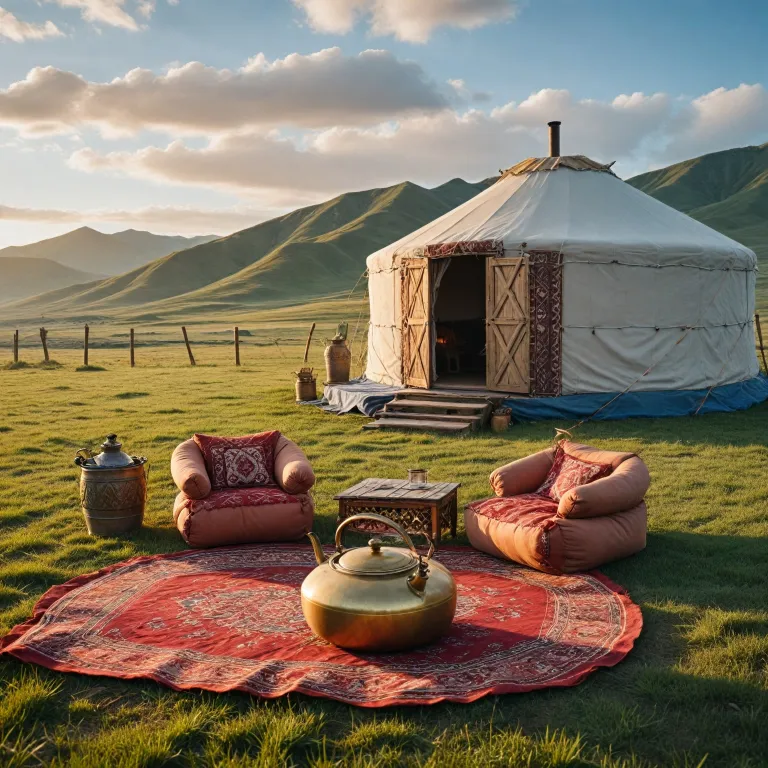
Luxury perspectives on the mongolian hut in modern hospitality
For many premium travelers, the idea of a mongolian hut evokes romance, yet the reality of a refined yurt or ger stay in Mongolia is far more sophisticated. Luxury camps and high end hotel partners now integrate each mongolian yurt into curated itineraries, combining traditional comfort with concierge level services and clear information on every product and price range. When you compare options, focus on how each property balances authentic mongolian ger architecture with modern amenities, because this balance defines whether your stay feels immersive or merely themed.
In the Mongolian steppes, artisans still raise a wooden wall yurt frame in a few hours, then add roof poles and a central crown that channels light and smoke. Premium lodges commission these structures from skilled builders, specifying the diameter, height, and type of wood to ensure stability in extreme weather while preserving the circular harmony of traditional yurts. Around this framework, layers of covered felt and canvas create powerful insulation, and the best properties explain how this felt and additional insulation work together so guests understand both comfort and cultural meaning.
Because the ger is a living symbol of traditional mongolian life, responsible hotel booking platforms highlight the role of Mongolian Nomads and local artisans in each project. They describe how the felt, ropes, and wood are sourced, and how the design remains aligned with central asian customs that evolved for harsh weather conditions. When you read text on a booking page, look for precise details about the tent structure, the roof, and the insulation, as vague descriptions often hide compromises in quality or authenticity.
From nomadic ger to premium stay: structure, comfort, and insulation
The classic mongolian hut, known locally as a ger, is engineered for mobility and resilience, and luxury operators build on this foundation rather than replacing it. A traditional yurt or mongolian ger begins with a collapsible lattice wall, roof poles radiating to a circular crown, and a door aligned according to custom, then layers of covered felt are added for insulation. When you book, check whether the property uses authentic felt and wood, because these materials influence both the atmosphere and how well the tent handles extreme weather and rapid temperature changes.
High end camps in central Mongolia often specify the thickness of felt insulation and whether additional water resistant membranes are used beneath the outer canvas. This combination allows a traditional yurt to remain comfortable across a temperature range that can span dozens of degrees Celsius between day and night, which is essential in central Asia. Some properties even explain how their roof poles and crown are reinforced for strong winds, giving guests confidence that the mongolian yurts are structurally sound during demanding weather conditions.
Inside, the circular living space of a wall yurt is arranged with a clear sense of order, and luxury versions respect this layout while upgrading comfort. Expect raised beds, fine linens, and sometimes en suite bathrooms discreetly integrated so the ger still feels like a coherent product of nomadic design rather than a themed room. When comparing the price of different mongolian yurt options, look for transparent notes on insulation, heating, and water resistant finishes, because these details justify a higher price range and directly affect sleep quality.
Evaluating price range and value for luxury mongolian yurts
On a premium booking website, the mongolian hut category can feel confusing, because listings may mix simple tents, standard gers, and fully serviced mongolian yurts under similar labels. To evaluate value, start by reading each description line by line, noting whether the text clearly distinguishes between a basic tent and a fully insulated traditional yurt with proper roof poles, crown, and covered felt. A credible platform will present the product as part of a curated range, explaining how the materials, insulation, and service level justify each price and price range.
In central Mongolia, a well crafted mongolian ger with thick felt insulation, quality wood, and reliable water resistant outer layers commands a higher nightly rate than a lightweight wall yurt designed for mild weather. Luxury properties often add private decks, refined furnishings, and curated activities, and these options should be itemized so you can see how each element contributes to the final price. When a listing simply states “traditional mongolian tent” without specifying insulation, roof structure, or weather conditions tolerance, treat that as a signal to request more detail before confirming.
Some travelers compare these stays with eco lodges in north America or central Asia, where the term yurt can describe very different structures, from simple canvas tents to permanent residence units with rigid walls. In Mongolia, the most authentic and comfortable traditional yurts remain portable, yet premium operators may adapt them for semi permanent residence by reinforcing the wood frame and adding extra insulation. When you assess options across regions, remember that a mongolian yurt or yurt ger built for the Mongolian steppes is optimized for extreme weather, which often makes its construction quality superior to many north american wall yurt designs at a similar price range.
Design details: patterns, materials, and cultural integrity
One of the pleasures of staying in a luxury mongolian hut is appreciating the design language that runs through every ger, from the painted crown to the patterned door. Traditional mongolian artisans decorate the wood with swirling motifs in bright colors, and premium camps often commission custom pattern work that respects these forms while aligning with a more muted, elegant palette. When browsing a booking website, look for photos and text that highlight these details, because they indicate a genuine collaboration with local craftspeople rather than generic décor.
The felt used in a traditional yurt is more than simple insulation ; it is a cultural material created through labor intensive processes that transform wool into dense, protective layers. High end properties sometimes explain how many layers of felt and additional insulation are used, and whether the outer canvas is water resistant enough for sudden summer storms. This level of transparency helps you understand how the tent will perform in different weather conditions, and it shows respect for the knowledge of Mongolian Nomads and artisans who perfected the ger over centuries.
Inside, the living space of a mongolian yurt is organized around the central crown and stove, and luxury operators adapt this layout with care. They may replace the stove with discreet underfloor heating while preserving the symbolic central axis, or they may retain a modern stove for cooler nights, ensuring the covered felt and insulation work efficiently. When a property in central Asia or north America claims to offer traditional yurts, check whether the roof poles, crown, and wall yurt structure follow mongolian ger principles, because these elements distinguish an authentic mongolian hut from a generic round tent.
Comparing mongolian hut stays across regions and climates
As interest in the mongolian hut concept spreads, travelers now encounter yurts and gers not only in Mongolia but also in central Asia and north America. However, a mongolian yurt designed for the Mongolian steppes differs significantly from a wall yurt marketed in north america as a glamping tent, especially in terms of insulation, roof design, and resistance to extreme weather. When planning a trip, it is important to understand these distinctions so you can interpret each product description and price range accurately.
Traditional mongolian yurts use thick covered felt and tightly fitted roof poles to create a structure that can withstand powerful winds and dramatic temperature shifts. In contrast, some north american yurts rely on lighter insulation and different wood framing, which may be suitable for milder weather conditions but less ideal for the harsh climate of central Mongolia. If you are comparing options across regions, prioritize properties that explain their insulation system, water resistant layers, and structural reinforcements in clear text, as this shows a commitment to safety and comfort.
For travelers seeking a refined yet authentic experience, specialized platforms such as a dedicated luxury and premium hotel booking website in Mongolia provide curated selections of mongolian ger stays. These sites often highlight whether a yurt ger is intended as a temporary camp structure or a semi permanent residence, and how the design responds to local weather conditions. When evaluating options in central asia, Mongolia, or north america, remember that the most satisfying mongolian hut experiences usually come from properties that treat the ger as a living cultural product rather than a simple tent.
Planning your stay: etiquette, comfort, and meaningful experiences
Staying in a luxury mongolian hut involves more than choosing a comfortable bed ; it also means engaging respectfully with the culture that created the ger. Many high end camps provide guidance on entering and moving within a mongolian yurt, explaining customs such as stepping over the threshold, moving clockwise inside, and treating the central crown area with respect. When a booking website includes this type of text, it signals that the property values cultural integrity as much as physical comfort.
Because the living environment inside a traditional yurt can shift with the weather, even with excellent insulation and covered felt, premium operators prepare guests for variation. They may offer layered bedding, efficient heating, and clear advice on clothing, ensuring that the tent remains comfortable across a wide temperature range without losing its connection to the outdoors. In regions like central Mongolia, where weather conditions can change quickly, this thoughtful approach to insulation, water resistant materials, and guest communication is essential.
Some travelers are curious about how gers compare to other central asian dwellings, such as those associated with the flag Kyrgyzstan and neighboring nomadic cultures. While designs vary, the mongolian ger remains distinctive for its balance of portability, structural strength, and the way wood, felt, and roof poles interact to create a harmonious living space. When you choose a premium mongolian hut stay, you are not only selecting a unique accommodation product but also participating in a tradition that has shaped nomadic life across central asia and inspired modern interpretations in north america and beyond.
Key quantitative insights on gers and mongolian yurts
- The diameter of a typical family ger is approximately 5.5 meters, creating a generous circular living area for sleeping, dining, and socializing.
- A well trained team can assemble or dismantle a standard ger in about 2 hours, which is essential for maintaining a mobile lifestyle on the Mongolian steppes.
- Thanks to thick felt insulation and efficient design, traditional yurts can withstand a temperature range of roughly 70 degrees Celsius between the coldest and warmest conditions.
Essential questions about mongolian huts, gers, and yurts
What is the difference between a yurt and a ger?
The terms are often used interchangeably; 'yurt' is of Turkic origin, while 'ger' is the Mongolian term for the traditional dwelling.
How do gers stay warm in winter?
Gers are insulated with thick layers of felt made from sheep's wool, and a central stove provides heating.
Can gers withstand strong winds?
Yes, the circular design and sturdy construction allow gers to withstand strong winds common in the Mongolian steppes.