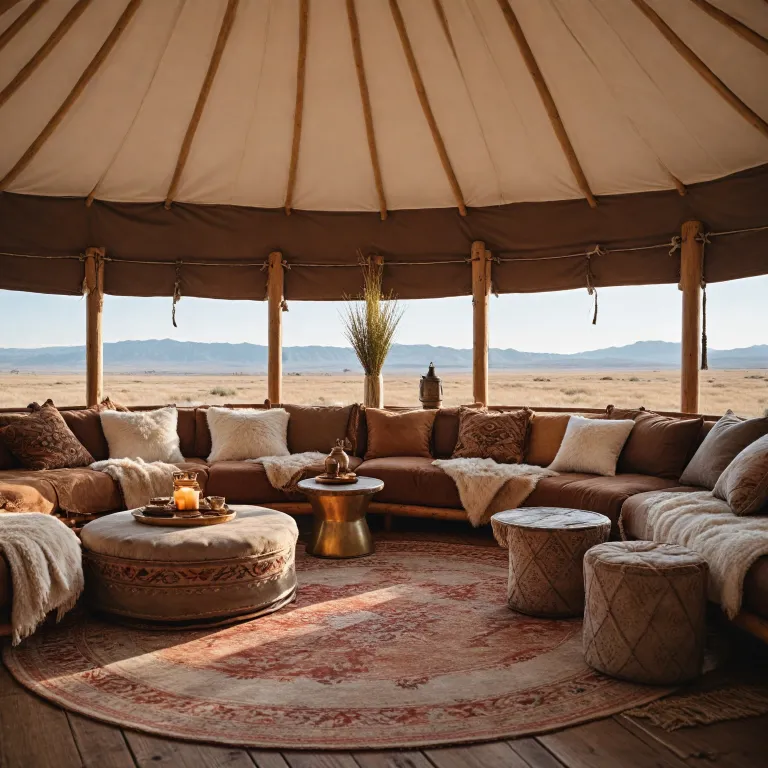
Ger Mongolia stays and the rise of luxury nomadic travel
Choosing a ger Mongolia stay adds cultural depth to any premium itinerary. In Mongolia, the traditional Mongolian ger has evolved from a purely practical nomadic house into a refined accommodation option that still respects its roots. Luxury travelers now expect both authenticity and comfort when they sleep under a felt roof on the steppe.
The ger, sometimes called a Mongolian yurt, is a circular tent with a wooden frame, roof poles, and a central crown that creates a surprisingly stable structure in strong winds. Layers of felt and outer felt canvas insulate the walls and roof, while a central stove keeps the interior warm during Mongolia’s long winters and cool nights. This traditional architecture has been perfected by Mongolian nomadic families over centuries, and its efficiency is one reason nomadic families still rely on Mongolian gers across Central Asia.
For travelers, understanding how a ger Mongolia camp operates helps in choosing the right level of service. Many ger camps near Ulaanbaatar and across Mongolia offer private gers with ensuite bathrooms, upgraded ger stoves, and high quality linens, while still using a classic door frame and bent roof design. Others remain closer to a side ger beside a host family’s main house, ideal for guests who want direct contact with a nomadic family and their daily life central to herding. When you book, you will want to check how many gers share facilities, how the stove middle is managed at night, and whether the felt cover is traditional or modern canvas.
Inside a premium Mongolian ger: design, comfort, and cultural detail
Stepping into a well appointed Mongolian ger reveals how traditional architecture and modern hospitality can coexist. The circular structure is defined by a lattice wall frame, brightly painted roof poles, and a central crown that often features symbolic motifs from Central Asia. Around this central structure, luxury operators arrange beds, textiles, and furnishings to create a refined yet authentic atmosphere that respects Mongolian culture.
In a premium ger Mongolia camp, the felt cover and inner felt canvas are carefully maintained to ensure insulation without mustiness, and the ger stove is often upgraded to a safer, cleaner model. The stove middle remains the heart of the house, with its flue rising through the roof and its warmth radiating across the room, but staff manage fuel and ventilation so guests sleep comfortably. Many high end Mongolian gers now include private bathrooms discreetly attached to the side ger area, preserving the circular interior while meeting international expectations.
Travelers comparing ger camps should pay attention to layout, spacing, and privacy between individual gers. Some camps cluster Mongolian yurt style structures closely, creating a village feel, while others spread each tent across a wider frame of land for solitude and uninterrupted views. For refined travelers seeking nomadic elegance, this choice will shape how they experience life central to the steppe, whether they prefer social evenings around a shared stove or quiet nights listening to the wind against the roof. To explore more about refined yurt Mongolia stays for discerning guests, you can review this detailed guide on yurt Mongolia stays for refined travelers seeking nomadic elegance.
From nomadic family homes to luxury ger camps in Mongolia
The ger Mongolia experience offered to travelers originates in the daily life of Mongolian nomadic families. For these families, the Mongolian ger is not a themed accommodation but a primary house that can be dismantled, loaded onto animals or trucks, and reassembled as herds move across Mongolia. This portability, combined with the strength of the wooden frame and roof poles, allows nomadic families to adapt quickly to changing seasons and pasture conditions.
Luxury ger camps translate this nomadic practicality into curated comfort without erasing its essence. The same circular architecture, central crown, and bent roof remain, but the felt cover may be supplemented with additional insulation, and the felt canvas protected by modern outer layers. Inside, the ger stove is often positioned with the stove middle carefully shielded, and the door frame widened for easier access, especially for guests unaccustomed to ducking through a low tent entrance.
For travelers, staying in ger camps that collaborate with local Mongolian nomadic families can be especially meaningful. These partnerships ensure that income from tours Mongolia operations supports the craftsmen who build the frame, the women who prepare the felt, and the herders whose traditional knowledge keeps Mongolian gers suited to the climate of Central Asia. When you book, you will want to ask whether the camp sources its Mongolian yurt structures from local ger craftsmen and whether visits to a nearby nomadic family are conducted respectfully, with clear benefits for the hosts.
Planning a ger Mongolia itinerary: regions, seasons, and activities
Designing an itinerary around a ger Mongolia stay requires attention to geography and climate. Ulaanbaatar, in the central region of Mongolia, is a common starting point, and many travelers spend at least one night in a Mongolian ger on the city’s outskirts before heading deeper into the steppe. Beyond the capital, ger camps are scattered across Mongolia’s deserts, mountains, and lake regions, each offering a different perspective on nomadic life and traditional architecture.
In the south, luxury ger camps in the Gobi often combine spacious Mongolian gers with guided tours Mongolia programs that include camel trekking, dune walks, and visits to remote canyons. The felt cover and roof of each tent are tested by desert winds, so operators pay close attention to the strength of the frame and the positioning of roof poles around the central crown. Many travelers pair these stays with horse riding in central or northern Mongolia, where nomadic families still rely on horses for herding and transport, and where the stove middle glows warmly after long days outdoors.
Seasonality is crucial when planning where and when you will stay in a Mongolian yurt. Spring and autumn offer milder temperatures, but nights can still be cold, making the ger stove and felt canvas essential for comfort. In high summer, some guests prefer gers with additional ventilation in the roof and side ger sections, while in winter only a few specialized camps operate, relying on thick felt, a robust door frame, and constant attention to the stove to keep the house warm. For inspiration on combining desert landscapes with refined accommodation, you can read about Gobi Desert tour experiences with luxury stays in Mongolia.
Evaluating comfort, sustainability, and authenticity in ger stays
As luxury and premium options expand, travelers need clear criteria to evaluate a ger Mongolia stay. Comfort begins with the physical structure, including the quality of the wooden frame, the alignment of roof poles, and the integrity of the felt cover that insulates the roof and walls. A well maintained Mongolian ger will feel snug but not smoky, with the stove middle drawing cleanly through the crown and the door frame sealing properly against drafts.
Sustainability and cultural respect are equally important when choosing between Mongolian gers and more conventional hotel rooms. Many ger camps now integrate solar power, improved ger stoves, and responsible waste management, reducing the environmental impact on Mongolia’s fragile steppe. When operators work closely with Mongolian nomadic families, they help preserve traditional architecture and support livelihoods, aligning tourism with the values recognized when “the traditional craftsmanship of the Mongol ger and its associated customs were inscribed on UNESCO's Intangible Cultural Heritage list in 2013”.
Authenticity does not mean sacrificing safety or hygiene, especially for guests new to life central to the steppe. Premium camps can provide high quality bedding, private bathrooms, and clear guidance on using the stove, while still keeping the circular tent layout, bent roof, and symbolic central crown that define a Mongolian yurt. When you compare options, you will want to ask how many gers share facilities, whether a side ger is used for staff or family, and how tours Mongolia activities such as horse riding or visits to a nomadic family are managed to avoid turning culture into a performance.
Practical booking advice for luxury ger Mongolia experiences
Booking a luxury ger Mongolia stay involves more nuance than reserving a standard hotel room. Start by clarifying whether you prefer a fully serviced ger camp with restaurant facilities or a more intimate arrangement alongside a nomadic family’s house. In both cases, confirm that your Mongolian ger includes a reliable ger stove, adequate felt canvas insulation, and safe access through the door frame, especially if you are traveling with children or older guests.
When reviewing offers, pay attention to how operators describe the structure and layout of their Mongolian gers. Look for details about the frame, roof poles, and crown, as well as information on how the stove middle is ventilated through the roof to prevent smoke buildup. High quality camps will also explain whether they use traditional felt cover made from sheep wool, how often it is replaced, and whether a side ger is available for staff or private dining, which can enhance comfort during harsh weather in Mongolia.
Finally, consider how your stay fits into broader tours Mongolia itineraries that may include horse riding, cultural visits, and time in Ulaanbaatar or other regions of Central Asia. A well planned route will balance nights in ger camps with occasional hotel stays, allowing you to appreciate life central to the steppe without fatigue. By asking informed questions about architecture, heating, and partnerships with nomadic families, you will help ensure that your ger Mongolia experience supports sustainable tourism while offering the elegance and comfort expected from premium travel.
Key statistics about ger living and tourism in Mongolia
- Percentage of Ulaanbaatar's population living in ger districts : 62 %.
- Number of gers detected in Ulaanbaatar using AI based methods : 150000 gers.
Essential questions about Mongolian gers for travelers
What is a Mongolian ger?
A Mongolian ger is a portable, round tent traditionally used as a dwelling by nomadic people in Mongolia, constructed with a wooden frame and covered with felt.
How is a ger constructed?
A ger is built using a wooden lattice framework for the walls, roof poles, and a central crown, all covered with layers of felt and canvas, and secured with ropes.
Why do Mongolians live in gers?
Mongolians live in gers because they are well suited to the nomadic lifestyle, offering portability, ease of assembly, and protection against Mongolia's harsh climate.