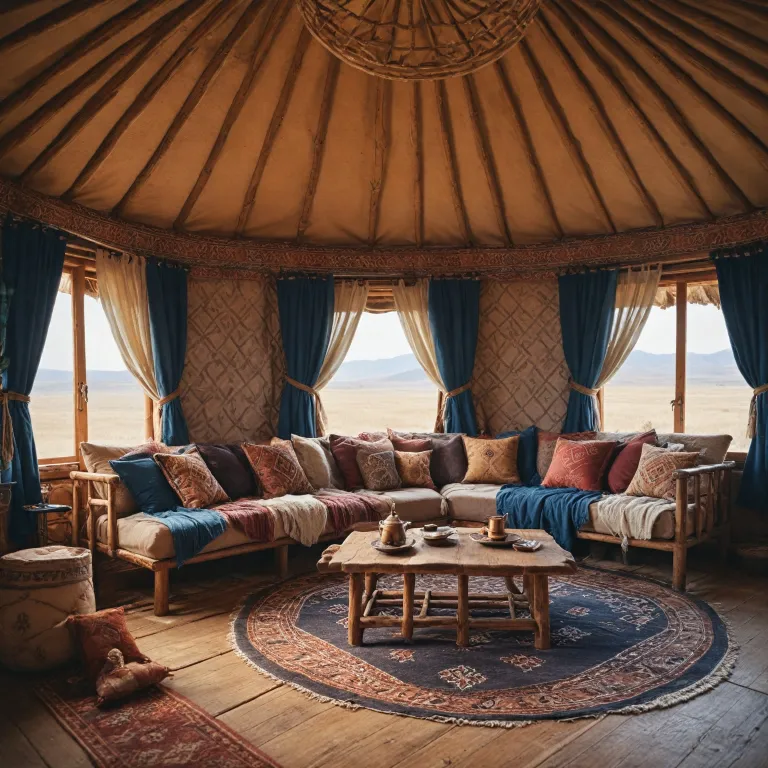
Luxury perspectives on yurt Mongolia stays for discerning guests
Choosing a yurt Mongolia stay invites you into a refined version of nomadic life. In Mongolia, the traditional Mongolian yurt, known locally as a ger, has been reimagined by luxury camps that respect cultural heritage while elevating comfort. For travelers used to premium hotels, these Mongolian yurts now offer private bathrooms, high thread count linens, and curated cultural experiences without losing their authentic soul.
The structure of every traditional yurt is rooted in Central Asian ingenuity, with a circular wood lattice wall, central roof ring, and felt cover that responds beautifully to harsh weather conditions. In winter, layers of dense felt are carefully covered by a canvas outer tent, while in summer, panels can be lifted to let the breeze flow through the roof opening. This design means a Mongolian ger can feel surprisingly modern inside, even when you are several days tour away from the nearest city.
Luxury tourist camps in Mongolia now blend traditional Mongolian craftsmanship with discreet technology. Under the felt cover, you may find underfloor heating, insulated wood flooring, and subtle lighting that keeps the circular space calm and intimate. These yurts offer a rare balance between nomadic lifestyle simplicity and the expectations of a five star traveler, especially in regions close to Ulaanbaatar and Terelj National Park. For many guests, the most memorable luxury is the silence outside the door and the vast Mongolian sky framed by the central roof ring.
From ger to luxury suite: how premium camps elevate the traditional yurt
For travelers comparing a yurt Mongolia stay with a luxury hotel, the key difference lies in the circular space and its emotional impact. A traditional Mongolian ger is arranged around a central axis, with the wood lattice walls supporting the roof poles that meet in the open crown. In premium tourist camps, this same structure is preserved, but the interior is transformed into a refined suite that rivals high end city properties in Central Asia.
Many luxury tourist camps near Terelj National Park and in the central regions of Mongolia now feature Mongolian yurts with king size beds, designer textiles, and en suite bathrooms discreetly partitioned within the tent. The felt cover is often double layered to enhance insulation, while the outer canvas is carefully covered to withstand demanding weather conditions. Heating is usually provided by a modern iron stove or underfloor system, yet the wood frame and traditional roof ring maintain the authentic experience of a nomadic family dwelling.
For travelers planning cultural experiences for discerning travelers, it is worth exploring how each camp interprets the traditional yurt. Some emphasize traditional Mongolian patterns, carved wood furniture, and low seating around a central table. Others lean into a more modern aesthetic, using neutral fabrics and soft lighting to create a spa like calm inside the Mongolian yurt. To understand how seasons affect comfort and activities, many guests consult guidance on the best luxury and premium hotel booking options with cultural depth before confirming their stay.
Design, comfort, and climate: what to expect inside a Mongolian ger
Stepping into a yurt Mongolia suite for the first time can feel surprisingly familiar to seasoned luxury travelers. The circular layout of a traditional yurt naturally creates zones for sleeping, relaxing, and dining, with the central roof opening acting as both a skylight and a symbolic link to the sky. In high end tourist camps, this central feature is often fitted with a transparent cover, allowing you to watch the stars while remaining fully protected from the elements.
The wood lattice walls and radial roof poles are more than decorative ; they are engineered to handle the extreme weather conditions of Mongolia. Layers of felt are wrapped around the Mongolian ger, then covered with a durable outer tent that resists wind, snow, and dust from the Gobi Desert. In winter, additional felt cover layers are added, while in summer, sections can be rolled back to create natural ventilation that feels both modern and sustainable.
Inside, luxury Mongolian yurts often feature polished wood floors, soft rugs, and a carefully curated mix of traditional Mongolian textiles and contemporary furnishings. Yurts offer generous space for families, with some tourist camps configuring multiple yurts for a connected family compound. When planning a days tour that includes both city hotels and remote camps, many travelers review advice on the best time to visit Mongolia for luxury stays to align their comfort expectations with seasonal realities.
Cultural immersion: staying in Mongolian yurts with nomadic families
For many guests, the most meaningful yurt Mongolia stays happen when luxury itineraries include time with a nomadic family. While premium tourist camps provide hotel level comfort, spending a night in a traditional Mongolian ger on a working herding property offers a different kind of luxury. Here, the focus shifts from amenities to cultural heritage, as you share meals, stories, and daily routines with your hosts.
In these settings, the traditional yurt is arranged according to long standing customs, with a clear division between male and female sides, sacred objects near the central area, and the stove placed directly under the roof opening. The felt cover may be thinner than in high end tourist camps, and the wood frame might show the patina of many seasons in Mongolia. Yet this environment offers an authentic experience that many travelers consider the highlight of their time in Central Asia.
Guided tours can combine nights in luxury Mongolian yurts with visits to nomadic lifestyle communities in regions such as the Gobi Desert and the central steppe. Tourist camps often partner with Mongolian nomads to arrange respectful visits, ensuring that tourism supports local families rather than disrupting their routines. As one cultural resource explains, "'Yurt' is the term commonly used in Turkic languages, while 'ger' is the Mongolian term for the same portable, round tent dwelling." This distinction becomes very real when you sit inside a ger, sharing tea and watching the light move across the roof ring.
Planning a premium yurt Mongolia itinerary across national parks and the Gobi
Designing a yurt Mongolia journey that feels both luxurious and grounded in place requires careful routing. Many travelers begin in Ulaanbaatar, where modern hotels and a few urban Mongolian yurts provide a gentle introduction to ger architecture. From this central hub, itineraries often extend to Terelj National Park, where high end tourist camps combine traditional Mongolian design with spa services, fine dining, and guided cultural tours.
Further afield, multi days tour programs lead into the Gobi Desert and other national park areas, where the landscape becomes the main attraction. Here, Mongolian gers are positioned to frame dramatic views of dunes, cliffs, and wide open steppe, with the circular tent acting as a comfortable observatory. The felt cover and wood structure are tested by intense weather conditions, yet well managed tourist camps maintain a high standard of comfort, even in these remote corners of Mongolia.
When comparing options, consider how each camp balances luxury with environmental responsibility and cultural heritage. Some properties use solar power, low impact water systems, and locally sourced wood and felt to reduce their footprint. Others emphasize immersive cultural experiences, such as cooking classes in a traditional yurt or visits to a nomadic family that still moves its Mongolian yurts seasonally. By aligning your expectations with the realities of Central Asian travel, you can enjoy both refined comfort and a genuinely authentic experience.
Practical advice for booking luxury yurts and preparing for Mongolian weather
Securing the right yurt Mongolia stay begins with understanding how seasons shape both comfort and logistics. Winter brings dramatic cold, with temperatures that can fall well below zero, while summer in Central Asia offers warm days and cool nights that suit the natural insulation of a felt cover. Luxury tourist camps adjust their operations accordingly, adding extra layers to each Mongolian ger in colder months and opening roof vents and side panels when the weather softens.
When booking Mongolian yurts, pay attention to how each property describes its construction and amenities. A well built traditional yurt will feature a sturdy wood lattice, a carefully aligned central roof ring, and multiple layers of felt covered by a durable outer tent. For premium comfort, look for details such as en suite bathrooms, heating systems adapted to local weather conditions, and clear information about how many yurts offer family friendly layouts or interconnected units.
Packing for a days tour that includes both city hotels and remote Mongolian yurts requires thoughtful layering. Even in luxury settings, you will step outside frequently to reach dining gers, spa tents, or activity areas, so warm outerwear and sturdy footwear are essential. As you move between national park landscapes, tourist camps, and occasional visits to a nomadic family, you will experience how the same traditional Mongolian ger design adapts gracefully to both modern luxury and the enduring rhythms of nomadic lifestyle.
Key statistics about Mongolian yurts and luxury stays
- Average winter temperatures in parts of Mongolia can reach around -35 °C, highlighting why the felt cover and wood structure of each traditional yurt are engineered for extreme weather conditions.
- One leading manufacturer, Ulaantaij Ltd, has produced approximately 1 000 Mongolian yurts, supporting both local use and international demand for authentic ger construction.
- These Mongolian gers have been exported to about 25 countries, reflecting growing global interest in Central Asian design, nomadic lifestyle architecture, and sustainable tent based accommodation.
Essential questions about Mongolian gers and luxury travel
What is the difference between a yurt and a ger ?
'Yurt' is the term commonly used in Turkic languages, while 'ger' is the Mongolian term for the same portable, round tent dwelling. In the context of luxury travel in Mongolia, you will see both words used, but properties focused on cultural heritage often prefer the term Mongolian ger. Whether you book a traditional yurt with a nomadic family or a refined suite in a premium camp, the core structure and circular design remain closely related.
How are traditional Mongolian gers insulated ?
They are insulated with layers of felt made from sheep's wool, providing warmth in winter and cooling in summer. In luxury tourist camps, this traditional felt cover is sometimes supplemented with additional modern materials to enhance comfort without altering the external appearance. The result is a Mongolian yurt that feels cozy in harsh weather conditions while still reflecting the principles of traditional Mongolian architecture.
Can gers withstand harsh weather conditions ?
Yes, gers are designed to withstand extreme temperatures and strong winds, making them suitable for the Mongolian climate. The circular shape, low profile, and flexible wood frame allow each traditional yurt to respond dynamically to wind, while the layered felt and outer tent protect against snow and dust. For travelers choosing a yurt Mongolia stay in remote national park regions or the Gobi Desert, this proven resilience is a key part of the overall sense of security and comfort.