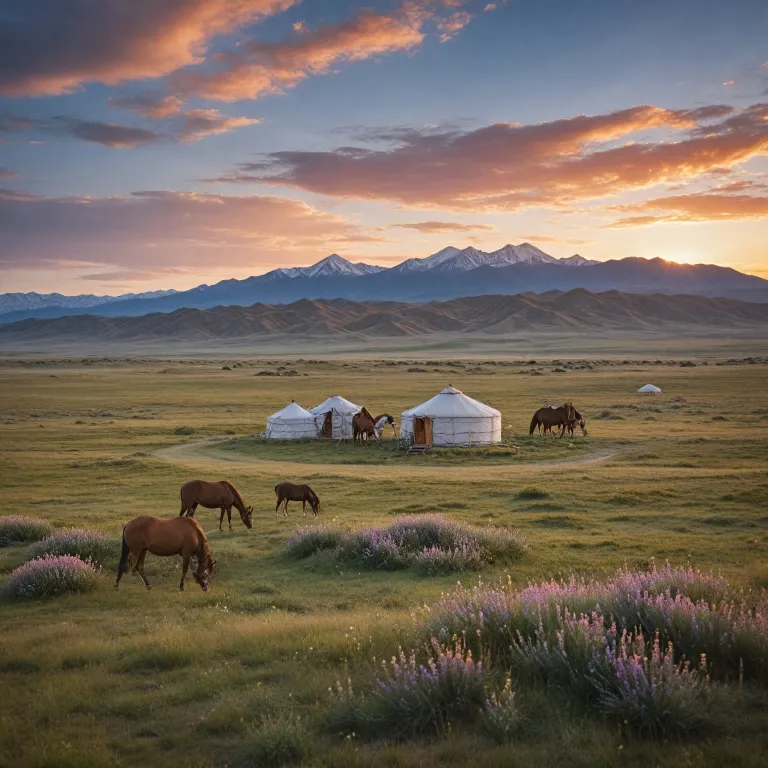
Planning what to do in Mongolia for a refined journey
Understanding what to do in Mongolia starts with choosing the right season and style of stay. The best time to visit aligns with warmer months, when the country opens its vast steppe, national parks, and cultural events to travelers. During this time visit, luxury and premium properties in Ulaanbaatar and in the countryside coordinate curated excursions that turn a simple trip into a tailored mongolia travel experience.
The Mongolian Government promotes the “Years to Visit Mongolia” initiative, and tourism infrastructure continues to improve. This national effort means your trip Mongolia can combine high comfort with authentic contact with local communities and traditional Mongolian culture. Many travelers now pair a few nights in the capital city with several days in ger camps that offer premium bedding, private facilities, and attentive service.
When planning what to do in Mongolia, consider how you will move between regions. Private car transfers arranged by luxury hotels or trusted Mongolian tour operators provide flexibility, while domestic flights shorten long distances to the Gobi Desert or remote national park areas. Families often appreciate the safety and predictability of chauffeur driven vehicles, especially when traveling with children or older relatives.
Thoughtful travelers also look at how their visit Mongolia supports the local economy and respects traditions. High end hotels increasingly partner with local artisans, musicians, and guides, so your stay becomes a direct contribution to community livelihoods. This approach aligns with growing interest in sustainable mongolia travel and ensures that the best things you do in the country leave a positive legacy.
Luxury stays in Ulaanbaatar and the art of slow travel
Many itineraries for what to do in Mongolia begin in Ulaanbaatar, where international flights arrive and premium hotels cluster near cultural landmarks. The capital city offers refined restaurants, contemporary art galleries, and performances that introduce visitors to Mongolian music and dance. Staying in a luxury property here allows you to adjust to the time zone while planning the next stage of your trip Mongolia in comfort.
From Ulaanbaatar, guests can arrange guided visits to the Gandantegchinlen monastery, one of the most important religious sites in the country. This monastery visit offers insight into Buddhist practice and Mongolian spiritual life, especially when accompanied by a knowledgeable local guide. Many hotels can also organize day trips to the Genghis Khan Equestrian Statue and nearby landscapes, which are among the best things to include when you visit Mongolia for the first time.
Slow travel is becoming one of the top things discerning guests seek when considering what to do in Mongolia. Rather than rushing between many regions, travelers spend more time in fewer places, deepening their experience of local food, crafts, and traditional Mongolian hospitality. Premium hotels and ger camps respond with multi night packages that include curated activities, spa treatments, and private excursions by car.
Families planning a trip Mongolia often appreciate Ulaanbaatar’s museums and parks as a gentle introduction for children. A well located hotel in the capital city can arrange family friendly guides who explain Mongolian history in engaging ways. This balance of comfort and culture sets the tone for exploring more remote national park areas later in the journey.
What to do in Mongolia’s Gobi Desert with premium comfort
For many travelers, the Gobi Desert defines what to do in Mongolia, combining dramatic scenery with rare wildlife and deep silence. Luxury ger camps in the gobi region now offer spacious tents, fine linens, and private bathrooms, bringing comfort to one of the most remote parts of the country. These ger camps often include gourmet dining that highlights local ingredients, creating a refined version of traditional Mongolian cuisine.
Among the best things to experience in the gobi are the towering sand dunes of Khongoryn Els. Guests can climb the sand dunes at sunrise or sunset, when the light softens and the desert air cools. Many premium camps arrange camel rides with experienced local handlers, allowing you to cross the gobi desert in a way that respects both animals and environment.
The flaming cliffs, also known as Bayanzag, are another highlight for anyone planning what to do in Mongolia. These cliffs glow red in the evening light and are famous for important dinosaur fossil discoveries, which fascinate both adults and children. Nearby, the white stupa rock formations provide a contrasting landscape, and visiting both sites in one trip Mongolia offers a rich sense of geological variety.
Travelers interested in wildlife sometimes combine their gobi stay with visits to lesser known valleys and national park zones. Here, guided hikes reveal rare plants and the possibility of spotting gazelles or birds of prey, including the iconic golden eagle. With a private car and driver arranged through your hotel, you can adapt each day’s route to your family’s energy and interests, ensuring that things Mongolia offers feel both comfortable and adventurous.
Cultural heritage, monasteries, and national parks in central Mongolia
Beyond the desert, many itineraries for what to do in Mongolia focus on central regions rich in history and spirituality. One of the top things to include is a visit to Erdene Zuu, often described as the country’s first Buddhist monastery complex. Walking among its white stupas and temple halls, you gain a deeper understanding of Mongolian religious life and the resilience of local communities.
Nearby, luxury oriented ger camps and small premium lodges provide a comfortable base for exploring surrounding valleys and rivers. These properties often collaborate with local herder families, arranging visits where guests can see how traditional Mongolian nomadic life continues today. Such encounters are especially meaningful for a family trip Mongolia, as children can interact with animals and learn about seasonal migrations.
National park areas in central Mongolia offer gentle hiking, horse riding, and opportunities for photography. When planning what to do in Mongolia, consider spending several nights near a national park rather than rushing through on a single day. This slower pace allows you to appreciate subtle changes in light, weather, and wildlife, while your hotel or ger camp handles logistics, meals, and comfortable sleeping arrangements.
Some travelers time visit dates to coincide with a local festival, adding music, dance, and sporting events to their itinerary. While the eagle festival is most associated with western Mongolia, smaller regional celebrations also showcase archery, wrestling, and horse racing. Premium accommodations often secure reserved seating or guided access, ensuring that your experience remains relaxed even when crowds gather for these national events.
Terelj National Park, family friendly stays, and meaningful activities
Terelj National Park lies within driving distance of Ulaanbaatar and frequently appears on lists of what to do in Mongolia for shorter trips. Its granite formations, forested hills, and rivers create a gentle landscape that contrasts with the open steppe and gobi desert. Many travelers choose Terelj National as their first national park stop, combining nature walks with comfortable nights in upscale lodges or well equipped ger camps.
For a family focused trip Mongolia, Terelj National Park offers accessible hiking trails, horse riding suitable for beginners, and visits to local herder households. Hotels and camps can arrange supervised activities so that children learn about traditional Mongolian games, music, and food preparation. This makes Terelj one of the best things to include when planning things Mongolia can offer to multi generational groups.
Luxury and premium properties in and around Terelj increasingly emphasize wellness and privacy. After a day exploring the park by car or on horseback, guests return to hot stone massages, saunas, or outdoor hot tubs with views of the surrounding cliffs. For detailed inspiration on high end stays tailored to parents and children, you can consult this guide to family luxury hotels in Mongolia, which highlights how comfort and authenticity combine.
When considering what to do in Mongolia near Terelj, many visitors also include a stop at a nearby monastery. These visits provide quiet moments of reflection and a chance to observe daily rituals that shape Mongolian spiritual life. With careful planning by your hotel concierge or tour operator, your time visit to Terelj National Park becomes a balanced blend of outdoor activity, cultural immersion, and restorative rest.
Festivals, golden eagles, and crafting a high end Mongolia travel itinerary
Festivals play a central role in shaping what to do in Mongolia, especially for travelers seeking vivid cultural experiences. The eagle festival in western Mongolia, for example, brings together Kazakh hunters and their golden eagle partners in a dramatic display of skill. “Key attractions include the Gobi Desert, Khuvsgul Lake, and the Genghis Khan Equestrian Statue.”
Attending such a festival requires careful planning of your trip Mongolia, as accommodation in remote areas can be limited. Luxury and premium tour operators often secure rooms or high quality ger camp spaces well in advance, ensuring that guests enjoy both comfort and proximity to the main events. These curated arrangements help visitors focus on the spectacle itself rather than logistical challenges in the country’s vast landscapes.
When deciding what to do in Mongolia around festival dates, consider combining cultural events with quieter days in a national park or desert region. This rhythm allows time to process intense experiences and appreciate the slower pace of local life. Many travelers report that conversations with local families between festival days become some of the best things they remember from their visit Mongolia.
High end Mongolia travel itineraries often weave together Ulaanbaatar, the gobi desert, central monasteries such as Erdene Zuu, and at least one major festival. Using a private car and driver, or carefully scheduled domestic flights, reduces transit stress and maximizes meaningful time on the ground. By working with reputable Mongolian tour operators and choosing hotels that prioritize service and sustainability, you ensure that the many things Mongolia offers align with your expectations for comfort, authenticity, and responsible travel.
Practical tips for booking luxury hotels and planning what to do in Mongolia
Thoughtful planning transforms what to do in Mongolia from a vague idea into a seamless, high quality journey. Begin by defining your priorities, whether they involve the gobi desert, national park hiking, monastery visits, or family friendly activities. Then, select hotels and ger camps whose services clearly match those interests, paying attention to how they describe their partnerships with local guides and communities.
When booking in the capital city of Ulaanbaatar, look for properties that offer concierge teams experienced in crafting trip Mongolia itineraries. These professionals can advise on the best time to visit each region, arrange private car transfers, and secure knowledgeable English speaking guides. In the countryside, confirm that ger camps provide reliable heating, quality bedding, and safe food preparation, especially if you travel as a family with young children.
Visa rules vary, so always check with the Mongolian embassy or consulate in your country before finalizing flights. “The best time to visit is during the summer months, from June to August, when the weather is warm and festivals are held.” Aligning your time visit with these months increases your chances of attending a festival, enjoying comfortable temperatures, and accessing a full range of outdoor activities. Early booking is essential during peak periods, particularly near the eagle festival and other national celebrations.
Finally, consider how your choices contribute to sustainable mongolia travel and respectful engagement with traditional Mongolian culture. Selecting hotels and tour operators that prioritize fair wages, environmental care, and cultural sensitivity ensures that the best things you experience also benefit local people. In this way, the many things Mongolia offers become part of a shared story between guests and hosts, enriching both your visit Mongolia and the communities that welcome you.
Key tourism statistics for Mongolia
- Tourist arrivals recently reached approximately 808 900 people, reflecting strong growth in interest for the country.
- Tourism revenue has been reported at around 1.6 billion USD, underlining its importance to the national economy.
- Government and industry partners are working toward a target of 1 million international visitors annually in the near future.
Frequently asked questions about what to do in Mongolia
What are the top tourist attractions in Mongolia ?
Key attractions include the Gobi Desert, Khuvsgul Lake, and the Genghis Khan Equestrian Statue. Many travelers also add Terelj National Park, Erdene Zuu monastery, and Ulaanbaatar’s museums to their itineraries. Combining these sites with stays in quality hotels or ger camps creates a balanced mix of culture, nature, and comfort.
When is the best time to visit Mongolia ?
The best time to visit is during the summer months, from June to August, when the weather is warm and festivals are held. Roads to remote regions such as the gobi desert and western Mongolia are generally more accessible at this time. Luxury and premium properties also operate a fuller range of services during the main season, which enhances comfort and activity options.
Do I need a visa to travel to Mongolia ?
Visa requirements depend on your nationality, so you should always verify current rules with the Mongolian embassy or consulate in your country. Many travelers can enter visa free for short stays, while others must apply in advance or on arrival. Confirming these details early helps you coordinate hotel bookings, domestic flights, and guided tours without last minute complications.