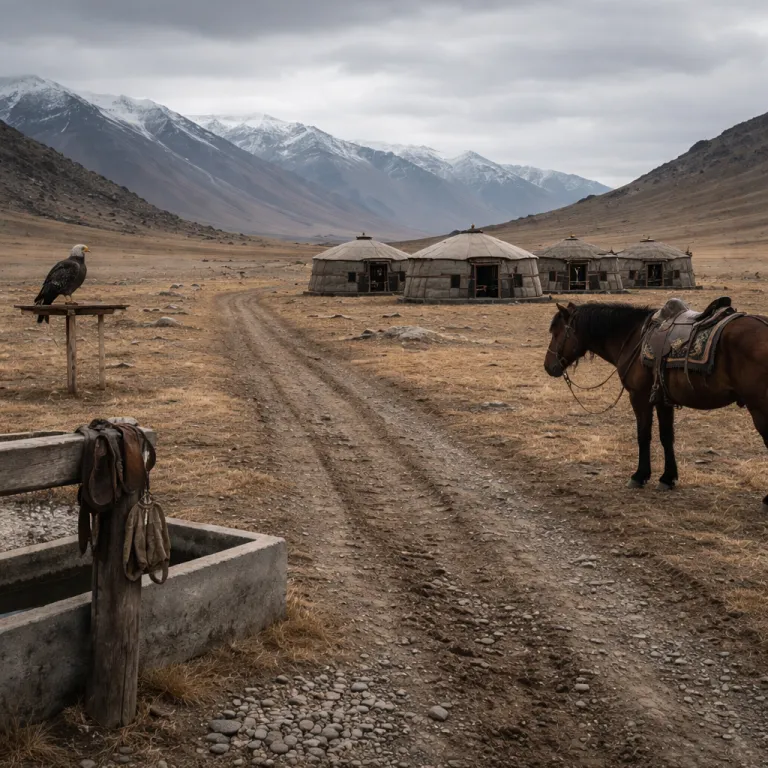
Travel Mongolia to the Altai: where luxury meets nomadic life
Travel Mongolia is never abstract when you land in Ulaanbaatar and feel the thin, high altitude light. The country stretches over more than 1 566 000 square kilometres, and every trip west toward Bayan Ulgii rewrites what people think a luxury stay can be in a nomadic lifestyle context. In this corner of Mongolia, the Altai Mountains hold Kazakh eagle hunters, golden eagle traditions and a way of nomadic life that reshapes how travelers define comfort.
The city of Ulaanbaatar is still your practical anchor, with international flights, the Mongolian Immigration Agency, and the U.S. Embassy Ulaanbaatar both close enough for any emergency or consular need. Many travelers arrive on Turkish Airlines or other major carriers, spend one or two days in the capital to adjust to time zones, then continue their Mongolia travel west by domestic flight to Ölgii city, a journey of around three hours according to current MIAT Mongolian Airlines schedules. That pattern works well if you want a refined hotel first, then a gradual shift into homestays, luxury supported family stays and finally remote ger camps near eagle festival locations.
When you travel Mongolia for eagle hunters and the Altai, you are not booking a standard tour; you are entering a living culture that still relies on herding, hunting and seasonal movement. Visiting Mongolia for this kind of experience means accepting that the best time for comfort is not always the same as the best time for the most dramatic golden eagle events. A thoughtful travel guide or specialist operator will help you balance weather, festival dates, your tolerance for cold nights and the level of hotel comfort you expect before and after your days in the high country, often sharing sample itineraries and recent client feedback to set realistic expectations.
Homestay versus luxury supported family stay with eagle hunters
Many people planning a Mongolia tour around eagle hunters see the phrase “homestay” and imagine a single product, but there are two very different realities. A classic homestay means you live as close as possible to everyday nomadic life, sharing a family ger, eating what they eat, and accepting basic facilities with no private bathroom and sometimes no dedicated driver. A luxury supported family stay, by contrast, layers in a private cook, higher quality bedding, a translator guide and sometimes a separate heated ger, while still keeping the family’s nomadic lifestyle at the centre of your travel Mongolia experience.
On a pure homestay, you usually pay in cash in MNT, sleep on traditional beds, and use a long drop toilet outside in all weather. Water is carried from a well or stream, and your time follows the family’s herding schedule, not a fixed tour timetable, which many travelers from the United States or Europe find both liberating and challenging. A luxury supported stay costs more in USD, but it will often include a 4x4 with an experienced driver, better heating, thicker mattresses and a clear plan for medical evacuation or emergency communication, which matters in a country with vast distances and limited public transportation; as of 2024, operators commonly quote from USD 180–250 per person per day for this level of support in the Altai.
Ethically, both models can work if the family is paid fairly, the operator is transparent and the visit Mongolia narrative is not reduced to a photo shoot. Ask your travel guide or agency exactly how much of your Mongolia travel payment goes to the host family, and whether the same eagle hunters are overbooked during peak days. For more detail on how rising demand affects lead times and pricing, read this analysis of the booking window for Mongolia travel at how more travelers change your booking window.
Hard truths on comfort: seasons, heated gers and real logistics
Luxury travelers planning to visit Mongolia for eagle culture often underestimate how quickly temperatures drop in the Altai, even in what feels like the best time on paper. Spring and autumn can bring bright sun by day and sub zero nights, so a heated ger is not a frivolous extra but a baseline comfort choice if you want to enjoy your trip rather than endure it. When you travel Mongolia in May, you might have easier road conditions and quieter camps, while October brings the Sagsai eagle festival atmosphere but also harsher winds and more demanding days outside; the main Sagsai event usually runs over a weekend in late September or early October, with exact dates confirmed by local authorities each year.
In a luxury supported family stay, your ger may have a proper bed, insulation and a stove tended by the local team, but plumbing remains the wild card. Some higher end camps near Bayan Ulgii city now offer en suite bathrooms with hot water, while others rely on shared facilities and timed showers, which can surprise travelers used to five star hotels in another country. The key is to ask very specific questions before booking your Mongolia tour: ask about toilets, water pressure, how far you walk at night, and what happens if a medical emergency coincides with a snowstorm that grounds flights from Ulaanbaatar, as domestic routes are frequently delayed or cancelled during shoulder seasons.
Transport is another comfort axis that shapes your Mongolia travel experience in the Altai. Public transportation is minimal once you leave the city, so a reliable 4x4 with a professional driver is not a luxury but a safety requirement, especially when crossing passes toward eagle hunters’ winter camps. For a softer landing, some travelers pair a few rugged days in the west with a night or two in a refined lodge near a national park such as Khustain Nuruu, using a property like those reviewed in this guide to refined stays near Khustain Nuruu National Park as a way to recalibrate before flying home.
Ethical encounters with eagle hunters and nomadic life
Every visit Mongolia itinerary that includes eagle hunters carries an ethical weight, because you are entering a living tradition, not a staged performance. The eagle festival events in Bayan Ulgii, whether in Sagsai or near the provincial city, are real community gatherings, but they are also shaped by the expectations of international travelers and tour operators. When you travel Mongolia with a camera, it is easy to turn golden eagle culture into a backdrop, unless you and your guide consciously slow down and treat nomadic life as more than a weekend spectacle.
Ask your operator how they schedule time with each family, and whether they rotate visits so that people and birds are not overworked during peak days. Responsible Mongolia travel companies such as Nomadic Expeditions, WildMongolia or View Mongolia usually limit group size, build in rest days for the eagles, and encourage longer stays with fewer moves, which reduces pressure on both the environment and the hosts. Photography focused outfits like Akari Photo Tours often brief travelers in detail on how to behave around a golden eagle, how close to stand, and when to put the camera down and simply share tea in the ger, and many now publish written wildlife and cultural guidelines on their booking pages.
There is also a broader context that many visitors from the United States or Europe overlook. The U.S. Department of State and other foreign ministries generally frame Mongolia as safe for travel, but they also remind travelers that conditions can change and that official advice should be checked close to departure. Those lines matter when you weigh the risks of remote travel, but the more subtle ethical questions are answered on the ground, in how you greet elders, how you handle gifts, and whether your presence supports or distorts the local economy.
Pairing Altai family stays with luxury anchors and smart protection
The most balanced way to travel Mongolia for eagle culture is to pair a few intense days with families in the Altai with a luxury anchor in Ulaanbaatar or Ölgii. Start with two nights in a premium hotel in the capital city, where you can adjust to the country, handle registration with immigration if needed, and meet your travel guide over a proper dinner. From there, a domestic flight west and a private transfer with a trusted driver will carry you into the mountains, where your nomadic lifestyle immersion begins in earnest.
After several days of early starts, outdoor meals and long hours in the saddle or the 4x4, returning to a heated room with strong water pressure feels less like indulgence and more like basic recovery. Many travelers now structure their Mongolia tour so that the first and last nights are in the same luxury property, using it as a base to store luggage, recharge devices and debrief with their guide about what they have seen. For a deeper look at how to choose these properties and balance them with more rustic stays, explore our editorial guide to luxury hotel booking and refined experiences in Mongolia.
Protection is not only about thread count and heating; it is also about travel insurance and contingency planning. A robust travel insurance policy that covers medical evacuation, remote area rescue and trip interruption is non negotiable when you visit Mongolia for remote eagle festival events or long overland routes toward the Gobi Desert or any national park. Check that your policy is valid for Mongolia as a country, that it pays out in both USD and local MNT where necessary, and that it includes clear procedures for a medical emergency, because public transportation and hospital infrastructure thin out rapidly once you leave Ulaanbaatar; specialist policies that include air ambulance cover typically start around USD 6–10 per travel day for this region.
When to travel Mongolia for eagle culture if you miss the festivals
Not every traveler can align their trip with the main eagle festival dates, and that is not a problem if you plan carefully. The best time outside the headline events often falls in late summer and early autumn, when the weather in western Mongolia is still relatively mild, the roads are more reliable, and families are not overwhelmed by tour groups. During these days, you can spend longer, quieter time with eagle hunters, watching how they train their birds, care for their horses and juggle nomadic life with the realities of modern travel Mongolia demand.
In summer, the Altai Mountains open up for trekking, riding and extended Mongolia tour routes that combine the eagle culture of Bayan Ulgii with the dunes of the Gobi Desert or the wild horses of another national park. Many people choose to fly into Ulaanbaatar, spend a night in the city, then loop south to the desert before heading west, using internal flights and private drivers rather than public transportation to keep the itinerary efficient. That kind of cross country route requires more days and a higher budget in USD, but it also reveals how varied the Mongolian landscape is, from high peaks to steppe to sand; a two week circuit that includes the Altai, the Gobi and at least one central national park often starts around USD 3 500–4 500 per person excluding international flights.
Whenever you visit Mongolia, the same principles apply; respect the pace of local life, be honest about your comfort needs, and choose operators who treat families as partners rather than props. Mongolia travel is changing as more travelers arrive from the United States, Europe and across Asia, drawn by the naadam festival, the eagle festival and the promise of open space. If you match your expectations to the realities of the country, invest in proper travel insurance, and give yourself enough time between luxury hotels and family gers, your journey will feel less like a checklist and more like a genuine exchange.
FAQ
How many days do I need for an eagle hunter stay in the Altai ?
Plan at least four to six days in western Mongolia if you want meaningful time with eagle hunters, including travel days to and from Ulaanbaatar. That allows two or three full days in the mountains plus buffer for weather or flight changes. Shorter visits can feel rushed and reduce your flexibility if conditions shift; a common sample plan is two nights in Ulaanbaatar, three nights with a host family and one night back in a hotel before departure.
Is Mongolia safe for solo travelers interested in nomadic life experiences ?
Mongolia is generally safe for solo travelers, including those focusing on nomadic life and eagle culture. The main risks are environmental rather than criminal, such as sudden weather changes, long distances and limited medical facilities outside major cities. Traveling with a reputable operator, a reliable driver and solid travel insurance significantly reduces those risks, and many solo guests now join small group departures capped at six to eight people for added security.
Do I need special travel insurance for remote areas in Mongolia ?
Standard policies often exclude remote evacuation, so you should choose travel insurance that explicitly covers medical evacuation and rescue in rural or high altitude regions. Check that Mongolia is listed as a covered country and that emergency assistance is available 24 hours a day. Confirm whether claims are paid in USD and how costs are handled in local MNT on the ground, and ask whether horseback riding and off road driving are treated as covered activities.
What is the best time to visit Mongolia for eagle culture if I dislike cold weather ?
Late summer and early autumn usually offer the best balance between comfortable temperatures and active eagle hunting preparation. You avoid the coldest nights while still seeing training rides, golden eagle handling and daily nomadic lifestyle routines. If you are very cold sensitive, discuss specific months and locations with your travel guide before finalizing flights, and consider late August or early September rather than October festival dates.
Can I combine an eagle hunter stay with the Gobi Desert and a national park in one trip ?
Yes, many itineraries combine Bayan Ulgii in the west with the Gobi Desert and at least one national park, but you need enough days and a flexible budget. Expect to use internal flights, private drivers and a mix of luxury hotels and ger camps to keep the route efficient. This kind of cross country journey rewards careful planning and usually suits travelers who already have some remote travel experience, with typical 10–14 day programs starting around USD 3 000 per person depending on group size and comfort level.
References
U.S. Embassy Ulaanbaatar; Mongolian Immigration Agency; Discover Mongolia (practical information on population, area and altitude); MIAT Mongolian Airlines (domestic flight durations Ulaanbaatar–Ölgii); local Bayan Ulgii government announcements (annual Sagsai eagle festival dates).