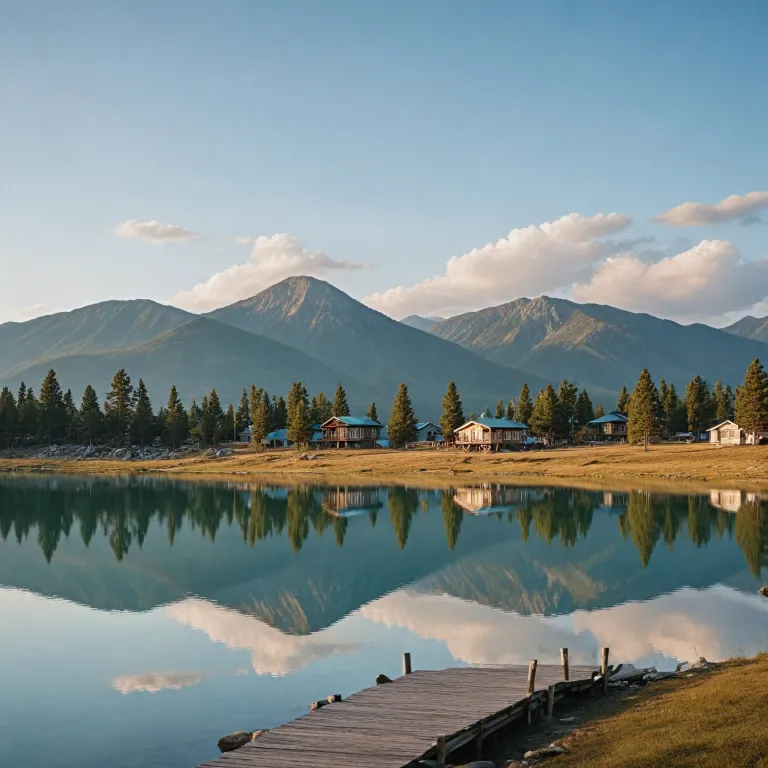
Luxury perspectives on Mongolia lake Hovsgol and its blue pearl aura
Mongolia lake Hovsgol sits in northern Mongolia as a vast freshwater lake. Around this immense lake, luxury and premium hotels are slowly redefining what a refined Mongolian trip can feel like. The region’s quiet atmosphere and clear water create a rare setting for travelers who value space and silence.
Lake Hovsgol holds nearly 70% of Mongolia's fresh water, and this scale shapes how serious hotel investors must be about sustainability. “Lake Hovsgol is Mongolia's largest freshwater lake by volume, holding nearly 70% of the country's fresh water, and is known for its pristine waters and rich biodiversity.” This single fact influences every responsible lake Mongolia project, from the design of each ger camp to the way a hotel manages its internal system for waste and energy.
The lake lies within a protected national park, and this status affects premium development along the western shore and eastern shore lake areas. Guests often arrive from Ulaanbaatar after several days of travel, so they expect seamless logistics and a calm first day on arrival. For many, the first view of the so called blue pearl, framed by the Horidol Saridag and Saridag Mountain ranges, becomes the emotional highlight of their entire trip.
Because the lake is part of the Baikal Rift system, it shares geological roots with Lake Baikal in Russia. This connection adds scientific prestige to the already strong appeal of Khovsgol Lake and Lake Khuvsgul as pristine destinations. Luxury hoteliers who operate here must balance this scientific importance with guest expectations for comfort, privacy, and refined service.
Understanding the geography of Khovsgol province for premium stays
Khovsgol Province stretches across northern Mongolia, with Lake Hovsgol as its centerpiece. Any serious luxury or premium hotel project near the lake must respect the fragile geography of this high elevation basin. The lake sits at about 1 645 m, which shapes both climate and the style of travel experiences offered.
Lake Hovsgol forms part of the Baikal Rift, and its depth rivals some of the world’s great lakes. This geological story matters for guests who want more than a simple lake trip, because it connects Lake Khovsgol intellectually to Lake Baikal and other rift lakes. Many high end itineraries now weave this narrative into guided walks along the western shore and into interpretive materials placed in each room or ger.
The surrounding Khovsgol National Park protects forests, mountains, and the long shore lake zones that host ger camps and hotels. Within this park, Hatgal Village acts as the main gateway, and its small airstrip shortens the journey from Ulaanbaatar to only a few hours of combined flight and road travel. From Hatgal Village, guests continue by vehicle or boat along Lake Hovsgol to their chosen ger camp, lodge, or hotel.
To the west, the Horidol Saridag and Saridag Mountain ranges rise above the lake, offering dramatic views from many lake Mongolia properties. In winter, the frozen lake becomes a solid highway, but in warmer days the focus shifts to boat excursions and shoreline hikes. For luxury planners, understanding these seasonal patterns is essential to designing a system of services that feels effortless for guests yet remains gentle on the environment.
From ger camp to five star comfort around lake Khovsgol
Along the shores of Lake Hovsgol, accommodation ranges from simple ger camps to polished premium hotels. A traditional Mongolian ger camp offers circular felt tents, wood stoves, and shared facilities, which appeal to travelers seeking authenticity. In contrast, newer luxury properties near Lake Khuvsgul and Lake Mongolia blend ger aesthetics with en suite bathrooms, heated floors, and curated interiors.
Many high end projects adopt a hybrid system, where a central lodge provides reception, dining, and spa services, while individual gers or villas dot the shore lake landscape. This layout preserves the feeling of space that defines northern Mongolia, while still delivering the privacy expected from a luxury stay. Some ger camps now position themselves as premium retreats, adding fine dining, sommelier led pairings, and wellness programs that use local herbs and mineral rich water.
Because Khovsgol National Park enforces strict building rules, developers must work within tight environmental guidelines. Structures near Lake Hovsgol and Khovsgol Lake often sit on raised platforms to protect the permafrost and fragile soil. Wastewater systems are carefully engineered so that nothing threatens the clarity of the blue pearl, and guests are frequently briefed on how their day to day choices support conservation.
Hatgal Village remains the logistical heart for supplies, staff, and guest transfers, especially for properties along the western shore. Some hotels coordinate multi day trips that combine a stay in Ulaanbaatar, a flight north, and then several days at Lake Khovsgol with optional overnights in remote ger camps. This layered approach allows travelers to enjoy both traditional Mongolian hospitality and the comforts of a modern lakeside retreat.
Designing a luxury trip to Mongolia lake Hovsgol step by step
Planning a luxury trip to Mongolia lake Hovsgol begins with timing. Most travelers choose the warmer months, when the lake is ice free and the national park is fully accessible for hiking, boating, and horse riding. During these days, temperatures are mild, and the water of Lake Hovsgol reflects the surrounding mountains with remarkable clarity.
From Ulaanbaatar, guests usually fly to Murun or directly toward Khovsgol Province, then continue by road to Hatgal Village. A well organized hotel or ger camp will arrange private transfers, ensuring that the final day of travel feels smooth rather than tiring. Many premium operators also offer a dedicated trip designer, who builds a system of activities that match each guest’s pace and interests.
Typical itineraries last from five to ten days, with at least three nights on the shore lake of Lake Khovsgol or Lake Khuvsgul. One day might focus on gentle hikes toward the Horidol Saridag range, while another day centers on boat excursions across Khovsgol Lake to quieter coves. Some programs include visits to local herder families, where guests can step inside a working ger and learn about traditional Mongolian life.
For travelers who value wellness, several properties now integrate spa and relaxation concepts inspired by the lake and mountains. You can read more about these trends in luxury spa hotels in Mongolia by consulting this in depth guide to wellness focused luxury stays. Combining such spa experiences with quiet evenings by the water of Lake Mongolia creates a restorative rhythm that many guests remember long after they leave northern Mongolia.
Environmental responsibility and hotel systems around the blue pearl
Operating a luxury hotel near Lake Hovsgol demands a strong environmental ethic. The lake’s status as the blue pearl of Mongolia reflects not only its beauty but also its role as a critical freshwater reservoir. Climate change and increasing tourism both place pressure on this delicate system, especially during peak days in summer.
Within Khovsgol National Park, regulations limit construction density along the western shore and other shore lake zones. Hotels and ger camps must design energy and water systems that minimize waste, often relying on solar power, efficient stoves, and carefully managed greywater. Many properties now publish an environmental article or charter, explaining how they protect Lake Khovsgol and Khovsgol Lake while hosting guests.
Because Lake Hovsgol forms part of the Baikal Rift, its ecology shares traits with Lake Baikal, including deep, cold water and unique species. The endangered Hovsgol grayling depends on clean habitats, so any pollution from a ger camp or hotel could have long term effects. Responsible operators therefore invest in staff training, waste sorting, and low impact activities that respect both the lake and the surrounding mountains such as Horidol Saridag and Saridag Mountain.
Guests can support these efforts by choosing properties with transparent sustainability policies and by adjusting their own behavior. Simple actions, such as shorter showers, careful use of soaps, and respect for marked trails, help preserve northern Mongolia for future trips. Over time, this shared responsibility strengthens trust between local communities, the tourism industry, and the Mongolian authorities who manage Khovsgol Province.
Cultural immersion and traditional Mongolian hospitality by the lake
Staying near Mongolia lake Hovsgol offers more than scenic views ; it opens a window into traditional Mongolian culture. Many luxury hotels and ger camps collaborate with local families to design experiences that feel respectful rather than staged. Guests can join herders for a day, ride horses along the shore lake, or learn how to assemble a ger.
Traditional Mongolian meals often feature dairy products, meat, and simple grains, adapted to the climate of northern Mongolia. Premium properties refine these dishes with careful presentation and wine pairings, while still honoring local recipes and ingredients. Some hotels host evening performances where musicians play the morin khuur and sing long songs that echo across Lake Hovsgol and Lake Khuvsgul.
Hatgal Village serves as a cultural hub, with small museums, craft shops, and seasonal festivals that celebrate life in Khovsgol Province. Visitors can purchase felt goods, carved wooden items, and artworks that depict Khovsgol Lake, Saridag Mountain, and the Horidol Saridag range. These purchases support local artisans and help sustain communities that have lived beside the lake for generations.
For many travelers, the most meaningful moments occur in quiet conversations inside a warm ger after a long day outdoors. Stories about past winters, long ago migrations, and changes in the national park bring depth to the landscape. When luxury and premium hotels create space for these encounters, they transform a simple trip into a richer relationship with Lake Mongolia and the wider Mongolian story.
Practical booking strategies for premium stays at lake Mongolia
Securing the right luxury stay at Lake Hovsgol requires early planning. The best hotels and high end ger camps around Lake Khovsgol and Lake Khuvsgul often fill months in advance, especially for peak summer days. Travelers who plan their trip early gain access to the most desirable western shore locations and lake facing suites.
When comparing properties, look beyond headline rates and study what each system includes. Some packages cover transfers from Ulaanbaatar, guided activities in Khovsgol National Park, and all meals, while others price these elements separately. Reading each article, room description, and policy carefully helps you understand the real value of a stay beside the blue pearl.
Ask detailed questions about water management, heating, and waste treatment, because these factors directly affect Lake Hovsgol and Khovsgol Lake. Responsible hotels will explain how they protect the Baikal Rift ecosystem and support conservation of species such as the Hovsgol grayling. They may also describe partnerships with local communities in Hatgal Village and other settlements in Khovsgol Province.
Finally, consider structuring your itinerary to include several days at the lake and additional days elsewhere in northern Mongolia. A balanced trip might start with cultural time in Ulaanbaatar, continue with a flight north, and end with quiet evenings on the shore lake under clear stars. By aligning your expectations with the realities of remote travel, you can enjoy both comfort and authenticity at Mongolia lake Hovsgol.
Key statistics about Lake Hovsgol and its environment
- Surface area of Lake Hovsgol is approximately 2 760 km², making it one of Asia’s larger mountain lakes.
- The maximum depth reaches about 267 m, with very clear and cold water.
- The total volume is estimated at around 380.7 km³ of fresh water.
- Lake Hovsgol lies at an elevation of roughly 1 645 m above sea level.
Essential questions about Mongolia lake Hovsgol for travelers
What is the significance of Lake Hovsgol?
Lake Hovsgol is Mongolia's largest freshwater lake by volume, holding nearly 70% of the country's fresh water, and is known for its pristine waters and rich biodiversity. For travelers, this means that every stay near the lake carries both privilege and responsibility. Choosing environmentally conscious hotels helps protect this vital resource while still enjoying its beauty.
What species are unique to Lake Hovsgol?
The most notable endemic species is the Hovsgol grayling, an endangered fish found only in Lake Hovsgol. Its survival depends on clean, cold water and intact spawning grounds along the lake’s shores. Guests can support conservation by respecting fishing regulations and favoring operators who collaborate with scientific and conservation programs.
How old is Lake Hovsgol?
Lake Hovsgol was formed over 2 million years ago, placing it among the world’s ancient lakes. This long history explains its depth, unique ecology, and connection to the Baikal Rift system. Understanding this age adds a layer of awe when you stand on the shore and look across the water.