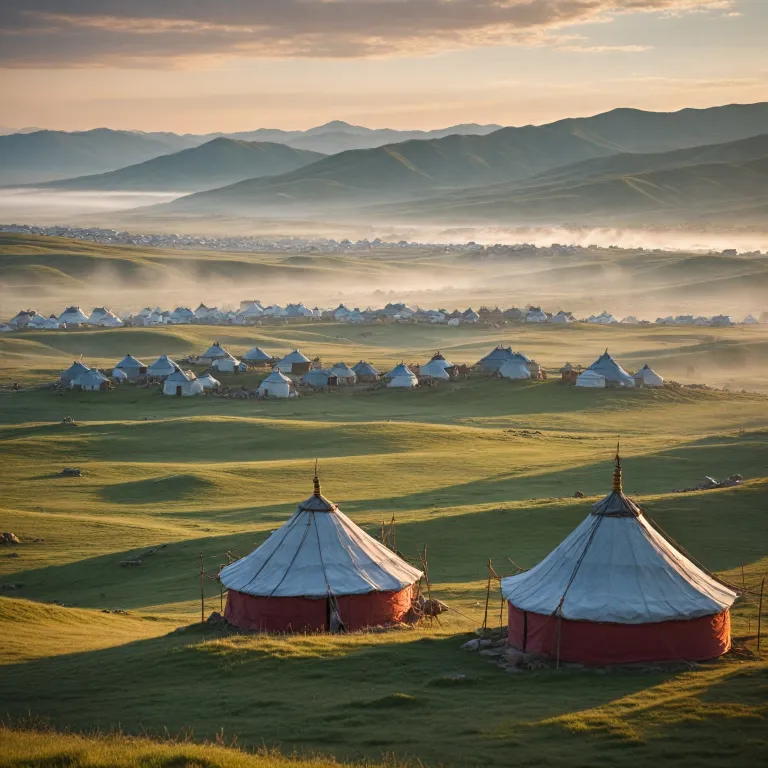
Kharkhorin as a living bridge between ancient capital and modern travel
Kharkhorin in central Mongolia is far more than a remote town. This former ancient capital of the Mongol Empire now welcomes travelers who want refined comfort while staying close to the Orkhon Valley and its sweeping steppe. The city offers a rare balance between access to heritage sites and the quiet rhythm of Mongolian rural life.
For guests booking luxury and premium hotels in Kharkhorin Mongolia, the context of the old capital city matters deeply. The town stands on the site of Karakorum, established by Genghis Khan and completed under Ögedei Khan as the political center of the Mongol states. Today, high end stays here allow you to reflect on that history while enjoying modern amenities, reliable heating system solutions, and curated Mongolia travel experiences.
Kharkhorin town has around 15 000 people and sits at about 1 540 meters. This compact center beside the Orkhon River gives quick access to Erdene Zuu Monastery, the Kharakhorum Museum, and the wider Orkhon Valley cultural landscape. For many visitors, the real luxury is being able to step from a calm hotel lobby into a landscape that once shaped the Mongol Empire.
Because Kharkhorin Mongolia is smaller than the Mongolia capital, expectations must be adjusted with care. You will not find the same range of services as in Ulaanbaatar Mongolia, yet premium properties increasingly focus on attentive service and thoughtful design. For discerning travelers, this city offers a chance to stay close to the roots of Mongolian history without sacrificing comfort or privacy.
Choosing luxury and premium hotels in Kharkhorin for meaningful stays
Selecting a luxury or premium hotel in Kharkhorin Mongolia starts with understanding the town’s scale. The city functions as a compact travel hub rather than a dense capital city, so the best properties emphasize quality over quantity of facilities. You will often find fewer rooms, but more personalized service and flexible arrangements for family or small group itineraries.
When evaluating options for Mongolia travel, look beyond room photos and examine how each hotel integrates with the Orkhon Valley environment. Many higher end stays coordinate guided visits to Erdene Zuu, Shankh Monastery, and the Kharakhorum Museum, turning a simple overnight into a curated Mongol Empire narrative. This approach helps guests appreciate how the ancient capital once linked distant Mongol states across Eurasia.
For travelers comparing stays between Kharkhorin and the Mongolia capital, it is useful to review a dedicated guide on how to book a luxury resort in Mongolia for an unforgettable travel experience. While many examples focus on Ulaanbaatar Mongolia or the Gobi, the same principles apply in this town. Pay attention to insulation, heating system reliability, and staff experience with international guests, especially outside the main summer travel time.
Families should check whether a property can arrange child friendly visits to Erdene Zuu Monastery and the Orkhon River area. Some hotels partner with local guides who explain Mongolian culture in simple terms, making the story of Genghis Khan and the ancient capital accessible to younger people. In a place where the past feels close, the right hotel choice will shape how deeply you connect with Kharkhorin Mongolia.
Staying near Erdene Zuu and the sacred heart of Kharkhorin
For many guests, the greatest privilege of staying in Kharkhorin Mongolia is waking up close to Erdene Zuu Monastery. This monastery, built on the ruins of the ancient capital, forms a spiritual and visual anchor for the town. Choosing a hotel within a short drive of Erdene Zuu allows you to visit at quieter times, when the light softens the white walls and the Orkhon Valley feels almost suspended in time.
Premium hotels in the city increasingly design itineraries that link Erdene Zuu, Shankh Monastery, and the Orkhon River into a coherent Mongolian cultural route. A well planned day might begin with morning prayers at Erdene Zuu, continue with a drive through central Mongolia to Shankh Monastery, and end with a riverside walk. Along the way, guides explain how the Mongol Empire used this valley as a development and political center.
Travelers who split their stay between Kharkhorin and the Mongolia capital often compare the atmosphere with that of elegant properties in Ulaanbaatar Mongolia. For context on the urban side of a Mongol journey, you can review this guide to elegant hotels in Ulaanbaatar Mongolia for a refined city stay. Combining a refined city base with a quieter town near Erdene Zuu gives a balanced view of modern Mongolian life.
Within Kharkhorin town itself, the Kharakhorum Museum presents artifacts that connect the Mongol states, the ancient capital, and the wider Orkhon Valley. Exhibits help people visualize how the capital city once functioned as a monument Mongol to power and diplomacy. Staying nearby means you can return more than once, deepening your understanding of this city and its layered Mongol history.
Kharkhorin logistics, kharkhorin bus options, and seasonal comfort
Reaching Kharkhorin Mongolia usually involves a road journey from Ulaanbaatar Mongolia across central Mongolia. Many travelers use a private car with driver, but the kharkhorin bus services from the Mongolia capital remain a practical option for independent visitors. The road distance is roughly 370 kilometres, so planning your travel time and hotel check in carefully is essential.
For guests who choose the kharkhorin bus, premium hotels can often arrange pick up at the town station. This simple service makes arrival smoother, especially for a family carrying luggage and camera equipment for the Orkhon Valley. Before booking, ask your hotel how they coordinate with bus schedules and whether they can adapt if Mongolia travel conditions change due to weather.
Because winters in this city can be harsh, the reliability of each property’s heating system matters as much as its decor. When comparing hotels online, look for clear descriptions of insulation, backup generators, and how rooms are kept warm during the coldest time. In a region where the Orkhon River can freeze, a robust heating system is not a luxury detail but a core safety feature.
Seasonality also shapes how you experience Erdene Zuu, Shankh Monastery, and the wider Orkhon Valley. Summer brings easier access to the Orkhon River banks and longer daylight for visiting the Kharakhorum Museum or walking through Kharkhorin town. In shoulder seasons, fewer people visit, and the city feels quieter, which many Mongolian hosts and international guests consider a great advantage for reflective stays.
Immersive heritage experiences around the Orkhon River and Orkhon Valley
Kharkhorin Mongolia sits within the Orkhon Valley, a landscape that once supported the Mongol Empire and earlier nomadic cultures. Today, luxury and premium hotels use this setting to design immersive experiences that go beyond standard city sightseeing. Guests can ride horses along the Orkhon River, visit herder families, and then return to a calm room with a reliable heating system and attentive service.
Many itineraries link the Orkhon Valley with other refined journeys, such as a Gobi Desert trip in style. Combining the desert with the ancient capital city gives a fuller picture of Mongolian geography and the reach of the Mongol states. In Kharkhorin, guides often explain how the Orkhon River corridor functioned as a development and communication center for the empire.
Within the town, the Kharakhorum Museum presents a concise overview of this history through carefully curated objects. Exhibits highlight the role of Genghis Khan, Ögedei Khan, and later Mongol rulers in shaping the ancient capital and its surrounding city. For many people, seeing these artifacts after a day in the Orkhon Valley makes the Mongol Empire feel tangible rather than abstract.
Nearby monasteries such as Erdene Zuu, Shankh Monastery, and the remains of Erdenesiin Khuree add a spiritual dimension to this heritage. Walking between temple walls, you sense how Mongolian Buddhism adapted to the rhythms of nomadic life along the Orkhon River. A thoughtful hotel will coordinate timings so you can experience zuu khiid ceremonies respectfully, without rushing between sites or feeling overwhelmed by the town’s modest but growing tourism development.
Balancing authenticity, comfort, and responsible development in Kharkhorin
As Kharkhorin Mongolia attracts more visitors, the city faces delicate questions about development and authenticity. Luxury and premium hotels play a central role in shaping how people experience the ancient capital and its living Mongolian culture. The best properties support local employment, respect the Orkhon Valley environment, and collaborate with guides who understand both Mongol history and modern expectations.
Responsible Mongolia travel in this town means recognizing that Kharkhorin is not an open air monument Mongol but a living community. Around 15 000 people call this town home, and many families rely on herding, small trade, and tourism related services. When you choose a hotel that sources food locally, hires Mongolian staff, and supports cultural projects, you contribute directly to sustainable development in the city.
Heritage experts emphasize that “Visit the Kharakhorum Museum to view artifacts from the Mongol Empire.” This simple recommendation underlines how central the museum is to understanding the ancient capital and its role as a capital city for the Mongol Empire. Combining museum visits with time at Erdene Zuu, Shankh Monastery, and zuu khiid complexes helps you see how the Mongol states evolved from imperial power to a modern nation with Ulaanbaatar Mongolia as the current Mongolia capital.
Looking ahead, innovation projects such as virtual reconstructions of the ancient capital may further enrich the visitor experience. Yet even as technology advances, the essence of Kharkhorin remains tied to the Orkhon River, the surrounding Orkhon Valley, and the quiet streets of this town. For travelers who value both comfort and meaning, staying here offers a rare chance to engage with Mongol heritage while enjoying carefully considered hospitality.
Key statistics about Kharkhorin and its surroundings
- Population of Kharkhorin town : 14 765 people.
- Area of Kharkhorin town : 20.5 km².
- Elevation of Kharkhorin : 1 540 meters above sea level.
Questions people also ask about Kharkhorin
What is Kharkhorin known for ?
Kharkhorin is known for being the site of the ancient capital of the Mongol Empire, Karakorum, and for landmarks like the Erdene Zuu Monastery. This reputation makes the city a focal point for Mongolia travel that combines culture, history, and landscape. Many visitors choose to stay in Kharkhorin Mongolia specifically to explore these sites at an unhurried pace.
How can I get to Kharkhorin ?
Kharkhorin can be reached by road from Ulaanbaatar, approximately 370 km away, or by flights to the local airport with an unpaved runway. Most travelers either hire a private driver or use the kharkhorin bus services that connect the town with the Mongolia capital. Your hotel can usually advise on the best option for your time frame, budget, and comfort expectations.
What are the main attractions in Kharkhorin ?
Main attractions include the ruins of Karakorum, Erdene Zuu Monastery, Kharakhorum Museum, and Shankh Monastery. Many itineraries also include walks along the Orkhon River and visits to local families in the Orkhon Valley. Together, these experiences reveal how the ancient capital city once functioned as a political and spiritual center for the Mongol states.