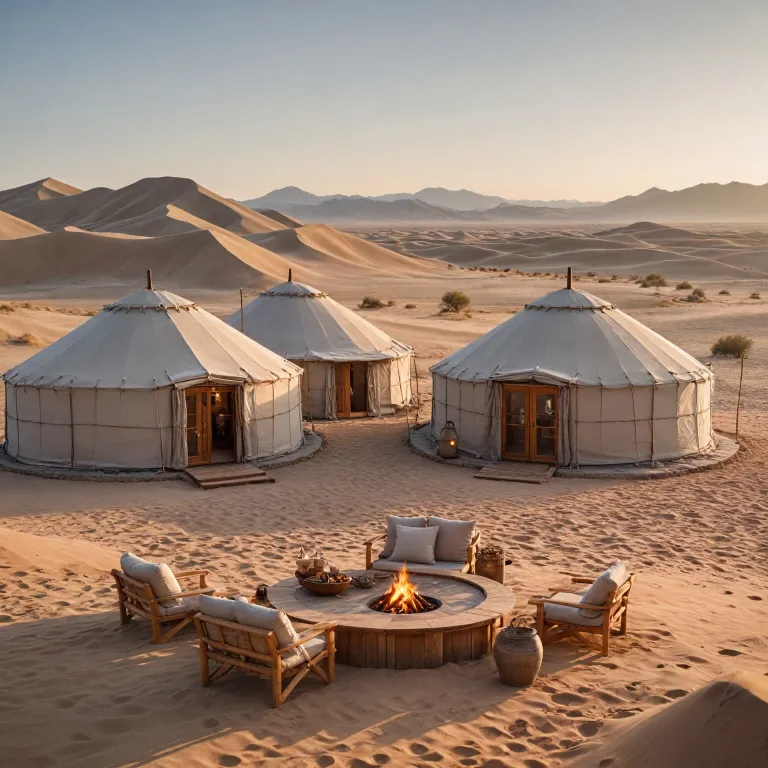
Luxury perspectives on the mongolian desert gobi for modern travelers
The mongolian desert gobi stretches across a vast region of Central Asia, and luxury travelers increasingly seek refined stays that respect its wild character. This desert area between Mongolia and China offers semi desert landscapes where sand, gravel, and desert steppe alternate in striking patterns, creating a setting that demands thoughtful hotel design and careful travel planning. For guests booking premium properties in the mongolia gobi, the challenge is balancing comfort with authenticity while understanding the realities of an extreme climate.
The Gobi Desert covers approximately 1,295,000 square kilometers, making it the sixth-largest desert in the world. This immense gobi desert expanse includes the famed mongolian gobi and the adjacent inner mongolia sector, where dunes, rocky mountains, and dry valleys form a mosaic of habitats. Luxury hotels in this desert mongolia environment must account for temperature swings from intense heat by day to sharp cold at night, while still offering serene suites, fine dining, and curated excursions to sand dunes and valleys.
Premium travelers are drawn to iconic sites such as the flaming cliffs, the towering khongoryn els sand dunes, and the dramatic yol valley in the gobi altai range. In these areas, guests may encounter Bactrian camels, rare gobi bear habitats, and traces of Bronze Age cultures that once crossed this central Asian corridor. A sophisticated booking platform must therefore present not only room categories and spa menus, but also detailed guidance on the region, from water availability and day trip logistics to responsible camel experiences that respect mongolian nomads and their traditions.
Designing luxury hotels for the extremes of the gobi desert
Creating a luxury or premium hotel in the mongolian desert gobi requires a design philosophy rooted in climate science and cultural respect. The gobi desert is a semi desert environment with low annual precipitation, so properties must integrate advanced water management systems while still offering indulgent amenities such as plunge pools or steam rooms. Architects working in this region also need to orient suites and villas to capture views of mountains, dunes, and valley floors without exposing guests to harsh desert winds.
The Gobi Desert experiences extreme temperatures, ranging from -40°C in winter to 45°C in summer, with an average annual precipitation of about 194 mm. These conditions mean that insulation, passive cooling, and shaded courtyards become as important as thread counts and wine lists in any desert mongolia property. In the north and east of the mongolia gobi, where the desert steppe transitions toward grassland, hotels can use earth sheltered structures and local stone to blend into the area while moderating interior temperatures.
Luxury travelers expect seamless comfort, yet the wild character of this central Asian region must remain visible from every terrace and lounge. Thoughtful design might frame sunrise over khongoryn els sand dunes, or sunset behind gobi altai ridges where Bactrian camels graze on sparse vegetation. In some properties, spa pavilions open toward the yol valley or other sheltered canyons, allowing guests to feel the desert without facing sandstorms directly, while curated lighting preserves dark skies and highlights the contours of the gobi desert at night.
Curating premium experiences around dunes, valleys, and desert wildlife
For travelers booking luxury stays in the mongolian desert gobi, the real value lies in carefully curated experiences that connect them to the land. Expert guides lead sunrise walks across sand dunes, explaining how the gobi desert and its semi desert zones support hardy plants, wild Bactrian camels, and elusive predators. In select regions of the mongolian gobi, guests may join conservation focused drives that highlight the fragile habitat of the gobi bear, one of the rarest mammals in central Asia.
The Gobi Desert is known for its rich fossil discoveries, including the first dinosaur eggs, and its diverse fauna such as wild Bactrian camels and snow leopards. Many premium itineraries include visits to the flaming cliffs, where paleontological history meets the glowing light of late day, creating a powerful sense of time and place. In the surrounding area, travelers can explore desert steppe landscapes that once formed part of Bronze Age trade routes, guided by mongolian experts who interpret both archaeology and modern nomadic life.
High end hotels in this region also arrange private journeys into the yol valley, where ice can linger even in warmer months, offering a striking contrast to nearby desert dunes. Guests may ride camels across khongoryn els, then return to tasting menus that reinterpret mongolian cuisine with central Asian influences and seasonal ingredients. Carefully timed excursions ensure that travelers experience the gobi desert at its most photogenic hours, while midday is reserved for spa treatments, shaded courtyards, or rooftop lounges that frame the mountains and semi desert plains.
Sustainability, water stewardship, and the future of desert luxury
Operating a luxury hotel in the mongolian desert gobi demands a strong commitment to sustainability, particularly around water use and land impact. The gobi desert is expanding into surrounding grasslands, and both Mongolia and China support initiatives such as large scale tree planting to stabilize the region. In this context, premium properties must minimize pressure on scarce water resources while still meeting the expectations of travelers who have chosen a high end stay in a remote desert area.
Expansion of desertification into surrounding grasslands, implementation of afforestation projects to combat desertification, and increased mining activities due to rich mineral deposits all shape the future of the mongolia gobi. Many hotels now collaborate with environmental organizations and local communities to monitor desert steppe health, protect gobi bear territories, and maintain migration routes for Bactrian camels. Some properties also educate guests about the Great Green Wall initiative in inner mongolia and northern China, linking their stay to broader central Asian environmental efforts.
Responsible luxury in this region includes energy efficient architecture, solar power, and careful waste management that respects the wild character of desert mongolia. Guests may be invited to join short field walks with researchers who study the gobi desert climate, or to support community projects that improve water access in nearby valleys. By choosing hotels that prioritize sustainability, travelers help ensure that iconic landscapes such as khongoryn els, the flaming cliffs, and the yol valley remain intact for future generations seeking refined yet environmentally conscious experiences.
Wellness, spa culture, and slow travel in the mongolia gobi
Wellness focused travelers increasingly view the mongolian desert gobi as a place for deep rest, reflection, and slow travel. Premium hotels in this region design spa programs that respond to the dry desert climate, using rich hydration rituals, mineral based treatments, and heat therapies inspired by central Asian traditions. Many properties also integrate yoga decks or meditation platforms that overlook sand dunes, mountains, or a sheltered valley, allowing guests to feel the vastness of the gobi desert while remaining grounded.
To understand how wellness is evolving across Mongolia, travelers can consult specialized resources on luxury spa hotels in the country, such as this guide to elevated wellness and comfort for discerning travelers. In the mongolia gobi itself, spa menus often feature ingredients sourced from semi desert and desert steppe environments, combined with techniques refined by mongolian therapists. After a long day exploring flaming cliffs or riding camels along khongoryn els, guests can return to saunas, hot stone massages, and herbal infusions that support circulation and recovery.
Slow travel principles encourage visitors to spend several days in one region, rather than racing across central Asia, so that the rhythms of desert mongolia become familiar. Morning might bring a gentle walk in the yol valley, midday a shaded rest with views of gobi altai ridges, and evening a stargazing session that reveals the clarity of inner mongolia skies. By aligning wellness programs with the natural pace of the gobi desert, hotels create experiences that feel both luxurious and deeply restorative.
Planning and booking premium stays across the mongolian desert gobi
For travelers, the main challenge in booking luxury stays in the mongolian desert gobi is understanding distance, climate, and logistics across such a vast region. The gobi desert covers an area that spans north to south and east to west for hundreds of kilometres, so a carefully sequenced itinerary is essential. Premium booking platforms should therefore provide detailed maps, transfer times, and seasonal guidance for each semi desert zone, from the flaming cliffs to khongoryn els and the yol valley.
Travelers should prepare for extreme temperature variations, ensure adequate hydration and supplies due to arid conditions, and be aware of potential sandstorms and plan accordingly. When selecting hotels in the mongolia gobi, it is wise to check how each property manages water, energy, and waste in this fragile desert steppe environment. Guests may also wish to confirm whether guided excursions include responsible interactions with Bactrian camels, visits to gobi bear research areas, or insights into Bronze Age heritage sites scattered across central Asian trade routes.
Many high end travelers combine stays in desert mongolia with time in greener parts of Mongolia or inner mongolia, creating a balanced journey that highlights both wild landscapes and cultural centers. A well designed booking website can suggest multi day routes that link gobi altai mountains, sand dunes, and valleys with urban gateways, ensuring smooth transfers and consistent service standards. By choosing platforms and hotels that demonstrate expertise in the gobi desert, travelers gain confidence that their journey will be both luxurious and respectful of this remarkable region.
Key statistics about the mongolian desert gobi
- Area of the Gobi Desert : 1,295,000 km² of desert and semi desert terrain.
- Average annual precipitation : approximately 194 mm across the wider region.
- Temperature range : about 85 °C between winter lows and summer highs.
Essential questions for planning a luxury stay in the gobi desert
What is the size of the Gobi Desert?
The Gobi Desert covers approximately 1,295,000 square kilometers, making it the sixth-largest desert in the world. For luxury travelers, this immense scale means that properties, dunes, and valleys can be separated by long drives, so careful itinerary planning is crucial. Understanding the size of the mongolian gobi helps guests allocate enough days to experience key regions such as khongoryn els, flaming cliffs, and the yol valley without feeling rushed.
What is the climate like in the Gobi Desert?
The Gobi Desert experiences extreme temperatures, ranging from -40°C in winter to 45°C in summer, with an average annual precipitation of about 194 mm. Luxury hotels in desert mongolia respond to this climate with strong insulation, efficient cooling, and thoughtful seasonal programming for outdoor excursions. Travelers booking premium stays in the mongolia gobi should pack layers, sun protection, and hydration gear, and rely on expert local guidance to choose the best months for comfortable exploration.
What are some unique features of the Gobi Desert?
The Gobi Desert is known for its rich fossil discoveries, including the first dinosaur eggs, and its diverse fauna such as wild Bactrian camels and snow leopards. Within the mongolian gobi, travelers can visit the flaming cliffs, trek through the yol valley, and ride camels along khongoryn els sand dunes, all while learning about Bronze Age history and modern conservation. These features make the gobi desert a compelling destination for luxury travelers seeking both natural drama and intellectual depth during their stay.