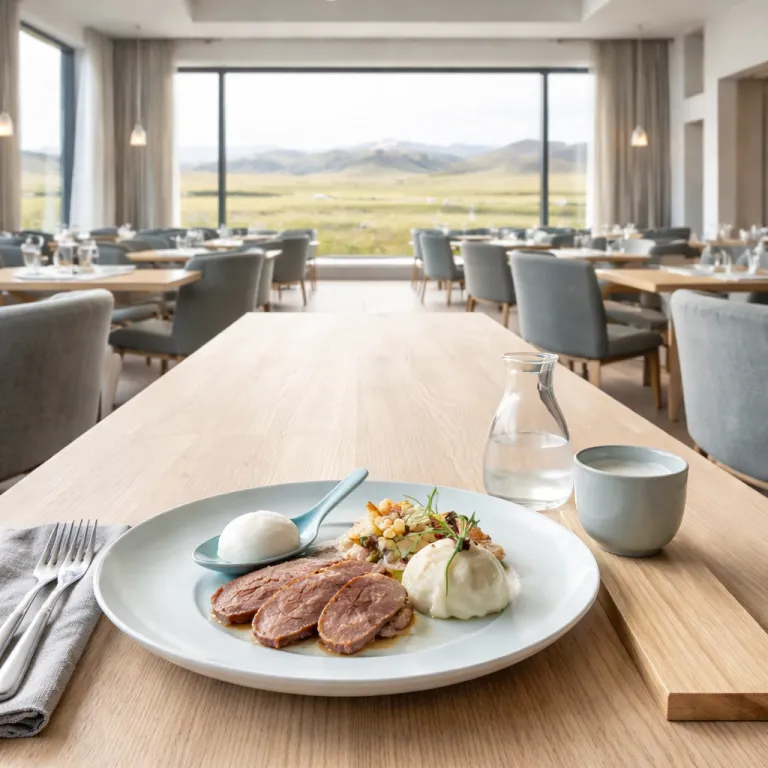
Where to stay in Mongolia for family friendly gastronomy
Choosing where to stay in Mongolia quietly shapes how your family eats. When you plan accommodation across the country, think about meals as much as room categories, because the right hotel will often solve the age eight problem at dinner without drama. In this vast destination, the best places to stay curate Mongolian flavors so children taste the steppe without feeling pushed into an unfamiliar diet.
In central Ulaanbaatar, a five star hotel near Sukhbaatar Square gives you controlled first contact with Mongolian cuisine. Properties such as Shangri-La Ulaanbaatar and The Blue Sky Hotel & Tower balance international menus with gentle introductions to buuz dumplings, mild versions of milk tea and grilled meats, which helps younger travelers arrive in the city without culinary shock. For a premium family, this urban start to a trip makes later ger camp meals in the Gobi Desert feel like an adventure rather than a battle.
Think of your Mongolia travel as a tasting menu that moves from city to steppe. Begin your stay with one or two nights in a central Ulaanbaatar hotel, then shift to ger camps in a national park or the Gobi, where local cooks lean into open fire techniques and dairy rich recipes. This rhythm lets children adapt over time, while adults enjoy both polished hotel dining rooms and the raw theater of a khorkhog pot lifted from hot stones outside the ger.
Inside Ulaanbaatar: hotel dining rooms, cafés and the first taste of the steppe
Ulaanbaatar is where many families first negotiate the Mongolian table. In this dense city, the question is not only where to stay but how each hotel frames local food, because the right dining room will turn curiosity into confidence before you visit Mongolia’s wilder regions. Around Sukhbaatar Square, several leading hotels now treat their restaurants as culinary ambassadors rather than anonymous lobby spaces.
A central five star hotel in Ulaanbaatar often offers three parallel menus. One leans international for cautious children, one highlights lighter Mongolian dishes such as steamed buuz and noodle soups, and one ventures into richer offal and mutton cuts for adults who want a deeper travel experience. This tiered approach respects that a family trip has multiple comfort levels at the same table, and it keeps everyone engaged over a long day of city tours.
Beyond your hotel, the city’s fine dining tier, mapped by platforms such as ETIC Hotels, shows where chefs reinterpret steppe flavors with modern technique. Before you head to a ger, read a focused travel guide on refined yurt interiors, such as this look at a Mongol yurt interior for a refined stay in Mongolia, then compare that aesthetic to the polished dining rooms downtown. The contrast between urban a la carte menus and the simplicity of camp kitchens will become one of the quiet highlights of your stay in Mongolia.
Gobi Desert ger camps: where camp kitchens outcook any city hotel
Once you leave Ulaanbaatar, the question of where to stay becomes a question of which ger camps take food seriously. In the Gobi Desert, properties such as Three Camel Lodge and other camel lodge style camps have proved that a remote ger can deliver meals that rival the best hotels in the capital, while still feeling rooted in nomadic life. Here, the kitchen is often a low building beside the ger line, but its reach extends across the entire country through relationships with herders and small producers.
Three Camel Lodge is frequently cited for a dining program that uses local sourcing and refined nomadic technique. Families arrive from city hotels expecting rustic stews, and instead find salads built from short season vegetables, slow cooked khorkhog adapted for milder palates and breakfasts that ease children into the meat and dairy heavy Mongolian diet with fruit, grains and yogurt. This is where a travel guide to Mongolia becomes lived experience, as cooks explain where each ingredient comes from and how it fits into daily life on the steppe.
In these ger camps, the best day often runs from sunrise pancakes to late night stargazing with hot milk tea. Between, your tours across Mongolia might include hikes in a nearby national park, visits to local families and camel rides across the Gobi, all punctuated by meals that feel both generous and precise. For families planning where to stay beyond the city, these kitchens show why a carefully chosen ger, not just a polished star hotel, can define an entire trip.
Designing a family itinerary: pairing city tables, ger kitchens and festivals
Thoughtful families treat where to stay across Mongolia as a way to curate flavors across the whole trip. Start with two or three nights in a central Ulaanbaatar hotel, then move to a Gobi Desert ger and finally to a quieter national park lodge, so each stay adds a new layer of Mongolian cuisine. This sequence keeps children from facing the same hotel buffet every day, while adults enjoy a narrative that runs from a la carte to open fire cooking.
Time your travel around a major festival and the food story deepens. During the Naadam Festival in Ulaanbaatar, hotels and local cafés fill with families eating khuushuur fried pies between wrestling and archery events, while in the west, the Eagle Festival brings gatherings where roasted meats and dairy dishes fuel golden eagle hunters and their guests. Staying in well located city hotels for Naadam, then shifting to ger camps near eagle festival grounds, lets your children see how Mongolian dishes move from polished plates to enamel bowls in the dust.
Between these peaks, use specialist operators for tours that link dining experiences rather than just sights. A good Mongolia travel planner will suggest one night in a provincial town to taste a particular regional noodle dish, then another night at a camel lodge style camp to try lamb baked in sand or khorkhog cooked with river stones. For deeper planning on luxury properties that support this kind of itinerary, consult a guide on how to book a luxury resort in Mongolia for an unforgettable travel experience, and cross check it against your family’s appetite for adventure.
The age eight problem, airag and what really flexes for families
Every premium family eventually meets the age eight problem at the Mongolian table. Children who have sailed through hotel buffets in other countries suddenly face airag, organ meats and intensely fatty cuts, and parents wonder where to stay so meals remain a pleasure. The answer lies in chefs and hoteliers who translate steppe cuisine rather than dilute it, offering bridges like mild milk tea, leaner khorkhog and vegetable rich sides.
Instead of chasing celebrity chef names, look for camps and hotels that invite local cooks to demonstrate traditional techniques, from hand pinched buuz to slow cooked stews. Many of the most rewarding properties work with regional culinary associations and nomadic families to preserve classic flavors while presenting them in ways that feel accessible after a long day of travel. In this context, the advice for guests is simple and timeless: "Be open to trying traditional dishes like airag.", "Respect local dining customs.", "Engage with local chefs for authentic experiences."
Dietary restrictions are the final test of a property’s flexibility. In Ulaanbaatar city hotels, vegetarian and gluten free options are increasingly standard, while in remote ger camps and national park lodges, advance notice and realistic expectations will determine how well the kitchen can adapt. When you weigh where to stay for your trip, ask specific questions about menus, festival season surcharges and how the hotel will handle both a curious child and a cautious one, because the best hotels understand that trust at the table is as important as thread count on the bed.
FAQ
What is airag and should children try it during a family trip ?
Airag is fermented mare's milk, a traditional Mongolian beverage. Its sour, lightly alcoholic profile can be intense for children, so most families let adults taste first, then offer a small sip to older kids who are curious. In many hotels and ger camps, staff will happily provide fresh milk or yogurt instead, so no one feels pressured.
How can we ease children into Mongolia’s meat and dairy heavy cuisine ?
Start in Ulaanbaatar hotels where menus include milder dishes such as steamed buuz, noodle soups and sweetened milk tea. Ask chefs to serve sauces on the side and to use leaner cuts, then gradually introduce more traditional flavors once your children are comfortable. By the time you reach ger camps in the Gobi Desert, they are usually ready to try khorkhog and grilled meats.
Are dietary restrictions manageable in remote ger camps and national parks ?
They are manageable if you communicate clearly before you book and again before you arrive. Ulaanbaatar hotels handle vegetarian, vegan and gluten free diets more easily, while remote camps can adapt some dishes but may have limited ingredients. Share a detailed list of needs with your travel guide or tour operator so they can choose where to stay with realistic flexibility.
What are the most family friendly Mongolian dishes to start with ?
Steamed buuz dumplings, lightly seasoned noodle dishes and gentle variations of milk tea tend to work well across ages. Many Ulaanbaatar hotel kitchens and ger camps will adjust seasoning and fat levels for children if asked. These dishes give a true taste of the country without overwhelming younger palates.
How do festivals like Naadam and the Eagle Festival affect dining options ?
During the Naadam Festival in the city, street stalls and hotel restaurants expand their offerings of khuushuur, grilled meats and dairy snacks, creating a lively but crowded food scene. Around the Eagle Festival, ger camps and local families in the west serve hearty dishes to support long days with golden eagle hunters. Booking the best hotels and camps early ensures you have both comfortable stays and reliable, well prepared meals during these peak times.