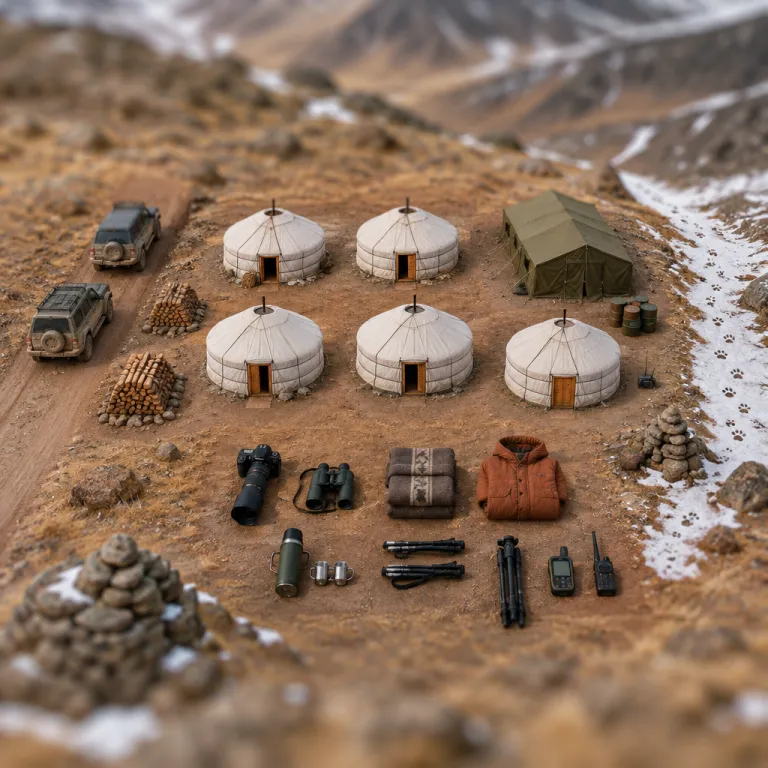
Why snow leopard season in the Altai starts with the first hard freeze
The mongolia snow leopard tour altai really begins when the first hard snow settles on the high ridges. As temperatures fall, prey species drift down from the highest mountains and the ghost like snow leopard follows them into more accessible valleys. For patient travelers, this is the moment when the mountains of Mongolia feel both harsher and strangely more intimate.
In late autumn and deep winter, leopards in Mongolia track argali sheep and Siberian ibex to lower slopes, where guides can read fresh tracks against clean snow. The same pattern plays out across the Altai Mountains and the broader mountains in Mongolia, turning each day into a quiet negotiation between cold, light and movement. A well planned tour uses this seasonal rhythm, building in long days of scanning and shorter recovery days at your chosen hotel or heated ger camp.
Snow leopards remain elusive even in perfect conditions, and any honest mongolia snow leopard tour altai will tell you that sightings are never guaranteed. The reward is the process itself, from the first pale tracks of a single cat to the distant alarm calls of birds that hint at movement on a ridge. You come for one snow leopard and leave with a deeper understanding of how leopards in Mongolia, their prey and the people who share these valleys survive the long winter.
Where the search happens: Altai valleys, national parks and real terrain
The core of any serious mongolia snow leopard tour altai lies in the western ranges, where the Altai Mountains fold into a maze of side valleys and wind carved passes. Here, the terrain demands slow driving, long hikes and a willingness to sit still for hours while guides glass the slopes. This is not a classic safari but a patient immersion in mountains Mongolia has kept largely unchanged.
Several protected areas anchor these journeys, including sections of Altai Tavan Bogd National Park and remote buffer zones where community rangers monitor wildlife. Elsewhere in the country, Hustai National Park and Gun Galuut Nature Reserve offer complementary wildlife experiences, from Przewalski horse herds to steppe wetlands, but the leopard Altai strongholds remain the most focused for snow leopards. Many travelers pair a week in the Altai with a few days near Ulaanbaatar, using Hustai National Park for horses and Gun Galuut for birds and open steppe before or after the high mountain segment.
Expect rough tracks, frozen river crossings and steep scree slopes that test both legs and patience during each day of scanning. A typical tour will start and end in Ulaanbaatar, with a domestic flight west and then several days of driving between ger camps and seasonal wildlife camp sites. The reward is a landscape where snow, rock and sky dominate, and where every distant shape on a ridge might be a fox, ibex or, just possibly, a snow leopard.
Luxury lodges and ger camps as intelligent base camps
What transforms a demanding mongolia snow leopard tour altai into a sustainable pleasure is where you sleep, eat and warm up between field sessions. A well run luxury lodge or high end ger camp in the Altai acts as an intelligent base camp, giving you real rest after long days in the cold. The goal is not excess but comfort that lets you go back out again, day after day, with clear eyes.
In the better properties, each ger or room is insulated, heated and thoughtfully furnished, with a proper bed, thick duvets and space for camera gear and layers. Some operations offer a modest room supplement for single travelers who want privacy without losing the communal dining and briefing atmosphere of camp life. The best teams understand that a hot shower, a bowl of soup and a quiet briefing on the next day of scanning are as important as any sighting.
From a hospitality perspective, the balance is delicate ; you want the authenticity of a traditional ger camp without sacrificing warmth or safety. Look for operators who employ local herders, source food from nearby valleys and limit generator noise so that the night remains properly dark and silent. When you step outside your ger at midnight and hear only the wind over snow, you understand why a carefully chosen hotel or camp is not an indulgence but an essential part of the wildlife experience.
What a typical snow leopard tracking day really feels like
A serious mongolia snow leopard tour altai starts before dawn, with tea or coffee in the dining ger and a quick briefing under a sky still full of stars. Guides fan out to vantage points above camp, scanning slopes where snow leopards and their prey moved at first light. You climb slowly, breath frosting in the air, while the mountains of Mongolia turn pink and then hard white.
Most days follow a rhythm ; hike to a ridge, settle behind rocks, and spend long hours glassing gullies, cliffs and broken ground for any sign of a cat. Experienced spotters read the landscape for argali sheep, Siberian ibex and the nervous movements of birds that might betray a predator, turning each day of scanning into a kind of moving chess game. Lunch is usually simple and hot, eaten behind a boulder while you watch a distant line of leopards in Mongolia territory that may or may not reveal its resident.
Afternoons can be brutally cold, and this is when the value of a comfortable hotel or ger becomes obvious in your mind. You know that in a few hours you will be back at camp, boots drying by the stove while you review images of tracks, distant silhouettes and perhaps a single snow leopard crossing a ridge. The days are long, but for travelers who accept that the search itself is the experience, time in the Altai Mountains becomes strangely elastic and deeply addictive.
Beyond the big cat: Pallas cat, steppe wildlife and serious birding
While the snow leopard is the headline, a well designed mongolia snow leopard tour altai quietly layers in other wildlife obsessions. The Altai and surrounding steppe support Pallas cat populations, and dedicated guides sometimes structure a separate day around scanning rocky outcrops and marmot colonies for these compact, long furred cats. Seeing one Pallas cat hunched against the wind can feel as rare as any leopard sighting.
Lower valleys and adjacent reserves hold Przewalski horse herds, especially in Hustai National Park, where these once extinct in the wild horses now roam free again. Wetland pockets near Gun Galuut and other steppe lakes attract white naped cranes, Pallas sandgrouse and the enigmatic Mongolian ground jay, making the region a quiet magnet for serious birds and wildlife photographers. On some itineraries, a few days near these areas bookend the harsher Altai segment, giving you both snow and open steppe in a single trip.
Smaller predators and prey complete the picture, from foxes and corsac to the steady lines of argali sheep and Siberian ibex edging across cliffs. Guides who know leopards in Mongolia also tend to know where ground jay territories lie and when Pallas sandgrouse come to drink, so do not hesitate to ask for a flexible day focused on birds or smaller cats. The more time you spend in these ecosystems, the more a single snow leopard sighting becomes part of a much larger wildlife narrative.
Planning your stay: timing, fitness and choosing the right base
For a mongolia snow leopard tour altai that balances ambition and comfort, timing is everything. Late autumn and winter bring the best mix of snow cover, prey movement and clear air, but they also demand proper clothing, fitness and a realistic understanding of cold. If you are comfortable hiking several kilometres at altitude and sitting still in sub zero conditions, you will handle the days well.
Most travelers start and end in Ulaanbaatar, using a night in a central hotel to adjust, repack and meet their guiding team before flying west. Solo explorers should look closely at itineraries that specify how many days are spent in the field, what kind of ger camp or fixed camp is used, and whether a room supplement applies for single occupancy in city hotels. It can be wise to add a softer segment, such as time at a hot spring property like the one featured in the honest review of Mongolia’s original spa on My Mongolia Stay, to let your body recover after the high Altai.
When comparing operators, ask direct questions about conservation partnerships, community ranger support and how many snow leopards their teams typically record each season. A credible company will talk in terms of effort, tracks and camera trap images rather than guaranteed sightings, and will be transparent about how your tour fee supports wildlife and local livelihoods. In the end, the right base, the right season and the right expectations turn the ghost of the mountains into a journey that feels both demanding and quietly luxurious.
Key figures for snow leopard travel in the Altai
- Conservation groups estimate that Mongolia holds between 500 and 1,000 snow leopards, making it one of the species’ most important range countries in Asia.
- Studies in key Altai and Gobi ranges suggest average snow leopard densities of roughly 0.5 to 1 cat per 100 square kilometres, which explains why sightings require extensive time and patient scanning.
- Przewalski horse reintroduction programs at Hustai National Park have grown the free ranging population from a few dozen released animals to more than 350 individuals, turning the park into a flagship rewilding site.
- Argali sheep and Siberian ibex, the main wild prey for snow leopards in Mongolia, can lose up to 30 percent of their accessible grazing area during severe winters, pushing both prey and predators to lower elevations.
- Specialist wildlife tours in the Altai typically allocate 7 to 12 days in core snow leopard habitat, significantly increasing the chances of at least one quality sighting compared with shorter itineraries.
FAQ about snow leopard season and luxury stays in the Altai
When is the best time to plan a snow leopard focused trip to the Altai ?
The most productive period for a mongolia snow leopard tour altai runs from late autumn into winter, when snow cover makes tracks easier to read and prey species move to lower elevations. These conditions bring snow leopards into more accessible valleys, improving the odds of sightings. The trade off is colder weather, so proper gear and a comfortable base camp or hotel are essential.
How many days should I spend in snow leopard habitat to have a realistic chance of a sighting ?
Wildlife operators generally recommend at least 7 to 10 full days in core Altai Mountains habitat for a serious attempt at seeing a snow leopard. Shorter trips can still be rewarding for landscapes and other wildlife but offer lower chances for the big cat. Longer stays also allow flexibility for weather, travel delays and rest days at your ger camp or lodge.
What level of fitness is required for a snow leopard tracking itinerary ?
You should be comfortable walking several kilometres per day on uneven, sometimes snowy terrain at moderate altitude. Much of the day scanning happens from fixed vantage points, which means long periods of sitting still in cold conditions. Good layering, basic hill fitness and patience matter more than technical climbing skills for most itineraries.
Can I combine snow leopard tracking with other wildlife experiences in Mongolia ?
Yes, many travelers pair an Altai focused mongolia snow leopard tour altai with time in other regions such as Hustai National Park or Gun Galuut. These areas offer Przewalski horse herds, steppe birds like white naped cranes and different landscapes from the high mountains. This combination gives a broader sense of Mongolia’s wildlife while keeping the snow leopard as the central focus.
What kind of accommodation should I expect on a premium snow leopard itinerary ?
Premium trips typically use a mix of comfortable city hotels in Ulaanbaatar and well equipped ger camps or small lodges in the Altai. In the mountains, expect insulated gers or rooms with heating, proper beds and hot meals, sometimes with a room supplement for solo travelers. The emphasis is on warmth, safety and good food rather than opulence, so that you can focus your energy on long days in the field.