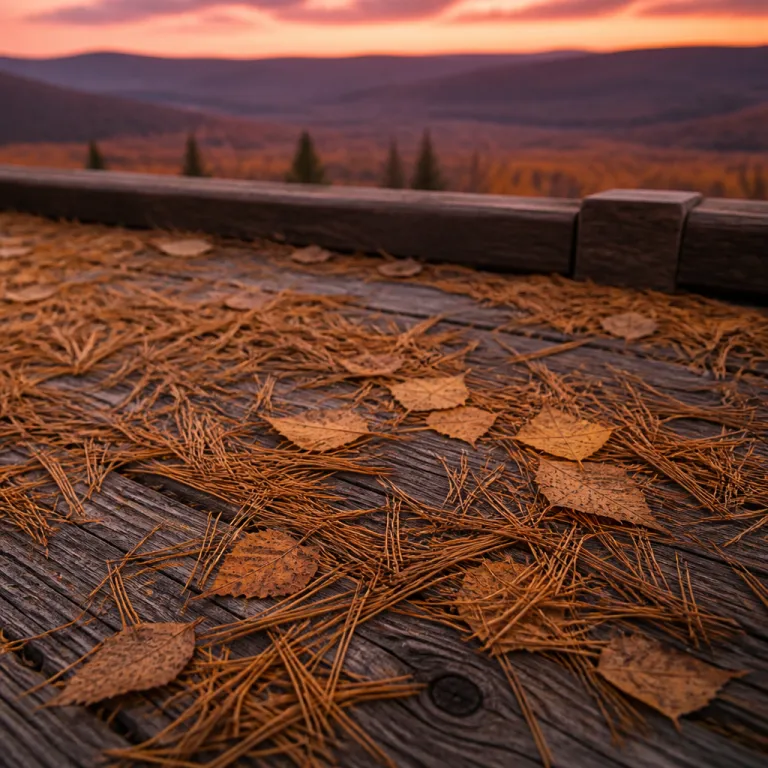
The narrow window for mongolia autumn foliage travel
Mongolia autumn foliage travel lives in a brief, electric window. Across the country the first golden larch needles start to glow in late August, and by late September many valleys in central Mongolia and northern ranges are already flirting with winter. Plan your travel time with intent, because autumn in Mongolia is short, sharp, and unforgiving to vague itineraries.
For most travelers the best time to see golden larches and birches is from early to late September, when daytime Mongolia weather usually sits between 0 and 15 degrees Celsius. This is when the signature palette appears ; golden larch forests, pale birch trunks, and poplar stands burn against dark conifers and the blue steppe sky, creating the visual core of any serious mongolia autumn foliage travel plan. By mid October many higher valleys in western Mongolia and northern national park areas can already feel like early winter, so foliage tours must be tightly structured.
Luxury travelers often ask whether July or September is better for Mongolia travel. July brings the Naadam festival and warm weather, but foliage is still green and the light is softer, while autumn Mongolia in September offers crisp air, fewer crowds, and the golden colour that defines the country in postcards. If you care more about mongolia autumn colour than festivals, prioritise late September over the Naadam festival period and build your tours Mongolia schedule around altitude and latitude rather than big city events.
Where to stay for peak colour in central and northern Mongolia
For couples planning mongolia autumn foliage travel, central Mongolia and the north offer the most reliable mix of colour and comfort. Around Ulaanbaatar, Gorkhi Terelj National Park turns into a corridor of golden larches and birches, with premium ger camps tucked along the Tuul River that stay open through late September. These ger camps in central Mongolia allow you to wake to frost on the grass, ride horses through yellow valleys by late morning, and return to heated stoves and proper duvets before the Mongolia weather drops again at night.
Farther north, Lake Khovsgol is the classic base for autumn Mongolia itineraries. Here, larch and birch forests sweep down to deep blue water, and a handful of higher end ger camps and lodges remain open into early October, giving you more time to work around unpredictable weather during your tour. For couples focused on nomadic life and quiet rather than nightlife, this region is ideal ; you can spend your days riding along the shore, visiting Mongolian herder families, and watching the golden bands of forest shift colour almost daily.
The Darkhad Valley and Ulaan Taiga Strictly Protected Area, west of Khovsgol, reward travelers who want a wilder version of mongolia autumn. Access requires more time and usually a private tour, but the payoff is immense, with golden larch forests, clear rivers, and almost no other visitors. When you choose refined ger stays across Mongolia’s highlights, look for properties that explicitly state their opening dates, because some close before peak autumn while others embrace the shoulder season for serious travel Mongolia guests.
Western Mongolia’s golden eagles, Altai larches and fragile access
Western Mongolia is where mongolia autumn foliage travel collides with one of the country’s most powerful cultural events. Around the Altai Mountains, golden larch forests frame snow dusted peaks, and Kazakh eagle hunters ride out with their golden eagles as the first real cold arrives. For many couples this is the most romantic image of nomadic life in the country, but it requires careful timing and even more careful logistics.
The famous eagle festival near Ölgii usually takes place in late September or early October, aligning almost perfectly with peak golden colour in the surrounding valleys. During this period, tours Mongolia operators combine festival access, time with individual eagle hunters, and short riding excursions into larch forests that are already preparing for winter. Because this region is remote and Mongolia weather can shift quickly, you should work with a travel guide or specialist who understands both the festival calendar and the fragile infrastructure of western Mongolia.
Recent animal health issues have shown how quickly access to western Mongolia can change for responsible travelers. Before locking in a tour that includes the eagle festival or extended time with eagle hunters, read current guidance on what livestock disease outbreaks mean for summer and autumn itineraries in the region. If your dates are flexible, consider a private tour that can pivot between the Altai and more accessible central Mongolia national park areas, ensuring your mongolia travel plans still deliver golden forests even if one region becomes complicated.
Balancing foliage, nomadic life and the Gobi on a short itinerary
Many couples want mongolia autumn foliage travel and the Gobi Desert in a single trip, which is possible with smart routing. The key is to treat the Gobi Desert as a contrasting chapter rather than the main stage, because its desert landscapes do not offer the same golden foliage as larch and birch forests in the north. A well designed tour will start or end in the Gobi, then pivot to central or eastern Mongolia for colour and nomadic life experiences.
In the Gobi Desert, ger camps near the Khongoryn Els dunes and Yolyn Am gorge stay open into autumn, offering warm stoves, hot showers, and sunrise views over sand and rock rather than trees. This is where you feel the scale of the country ; long horizons, camel riding instead of forest walks, and a weather pattern that can swing from hot afternoons to near freezing nights even before winter. After three or four nights in the desert, flying back to Ulaanbaatar and driving into a national park like Terelj or Khustai allows you to re enter the golden palette without exhausting travel time on rough roads.
To keep driving hours civilised, limit yourself to two main regions for a ten to twelve day Mongolia travel plan in autumn. For example, pair the Gobi Desert with central Mongolia, or combine Lake Khovsgol with a shorter central loop that focuses on ger camps, riding, and visits to nomadic families. When you are ready to think beyond the itinerary and understand how UNESCO’s recognition of nomadic migration should reshape your trip, explore guidance on building travel Mongolia routes that respect seasonal movements rather than just ticking off highlights.
FAQ
What is the best time for mongolia autumn foliage travel ?
The best time for mongolia autumn foliage travel is generally from early to late September, when larches and birches in central and northern Mongolia turn golden. Higher altitude areas in western Mongolia often peak slightly earlier, while some lower valleys hold colour into early October. By mid season, nights can be close to freezing, so plan your tour dates with both foliage and Mongolia weather in mind.
Which regions offer the most reliable autumn colours with luxury stays ?
For reliable colour and comfort, focus on Gorkhi Terelj National Park, Khustai, and Lake Khovsgol, where quality ger camps and lodges stay open into late September. The Darkhad Valley and Ulaan Taiga offer wilder landscapes with fewer services, better suited to private tours with strong logistics. Western Mongolia and the Altai can be spectacular, but access, weather, and festival timing make them more complex for first time visitors.
How cold does it get during autumn Mongolia trips ?
During autumn Mongolia journeys, daytime temperatures often range between 0 and 15 degrees Celsius, with colder conditions at altitude and in the far west. Nights frequently drop below freezing in September, especially in ger camps away from cities. Pack layers, a proper down jacket, and insulated footwear, because Mongolia weather can feel like early winter even while the larches are still golden.
Can I combine the eagle festival and foliage in one itinerary ?
Yes, it is possible to combine the eagle festival near Ölgii with golden foliage in the Altai, because the event usually coincides with peak colour in western Mongolia. Many tours Mongolia operators design itineraries that include time with eagle hunters, festival days, and riding or hiking in larch forests. Build in buffer days for weather delays, and consider adding a central Mongolia national park stop to ensure you see colour even if western conditions change.
Is it worth visiting Mongolia in autumn if I also want the Gobi Desert ?
Autumn is an excellent season if you want both the Gobi Desert and foliage, because desert temperatures are milder and central Mongolia forests are turning golden. A balanced tour might spend several nights in Gobi ger camps, then shift north to Terelj or Khovsgol for forests, riding, and nomadic life experiences. This approach keeps travel time reasonable while still capturing the country’s desert, steppe, and taiga in a single journey.