Why a refined mongolian tent stay belongs on your luxury itinerary
A stay in a refined Mongolian tent style ger brings Mongolia’s steppe into your private sanctuary. In a landscape shaped by thousands of years of nomadic life, luxury hotels now integrate the traditional yurt structure into premium suites and stand-alone gers. Guests sleep beneath a circular roof that echoes the classic Mongolian yurt while enjoying heated floors, curated amenities, and attentive service.
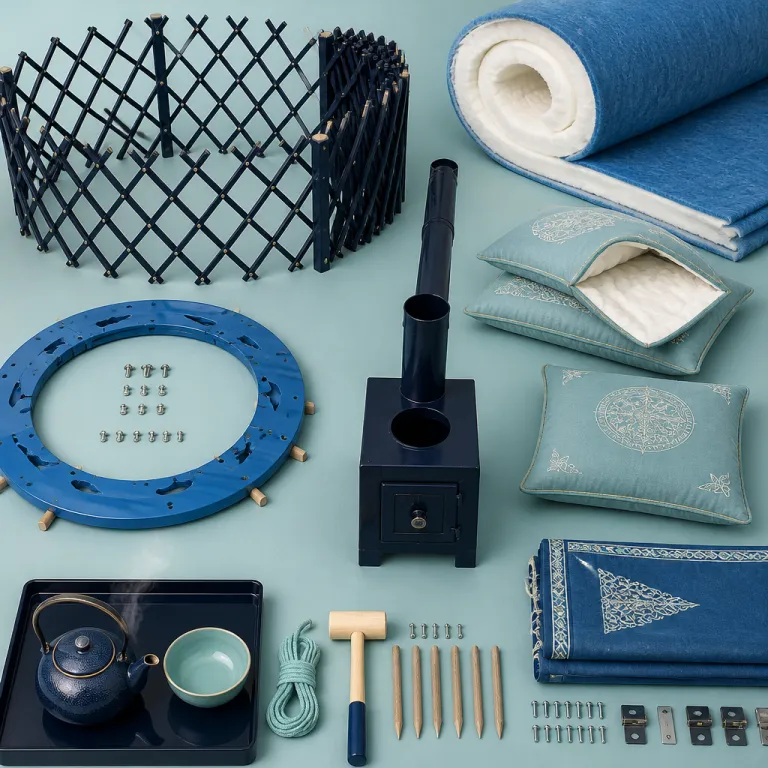
At its core, the ger or yurt is a portable, round tent traditionally used by herding families across Mongolia. This Central Asian design uses a collapsible wood lattice wall, roof poles, and thick felt insulation to create a strong yet mobile structure. Luxury properties from the Gobi Desert to the Orkhon Valley adapt these traditional yurts into spacious gers with en suite bathrooms, high-thread-count linens, and refined décor that respects cultural heritage.
Many premium lodges position their Mongolian yurts to frame a central view of the steppe or distant mountains. Inside each yurt tent, you often find a carved wood crown at the roof opening, where patterned beams radiate like a sunburst. Designers use this central crown to anchor lighting, while textiles echo the geometric pattern work seen in historic Mongolian gers and other nomadic dwellings across Central Asia.
How traditional structure and modern comfort meet under the ger roof
Luxury hotels that feature a Mongolian tent inspired ger suite start with the authentic structure. The circular walls use interlocking wood poles, while the roof poles rise to meet the central crown and create the classic dome. Over this framework, layers of felt and canvas form a protective tent shell that keeps interiors warm during Mongolia’s long winters.
To elevate comfort, architects work with Mongolian nomads who have used yurts for generations to refine insulation and airflow. They retain the traditional yurt crown opening for ventilation, yet integrate discreet glazing or retractable covers as modern options. Underfoot, heated floors and carefully placed rugs soften the feel of the wood floor, turning a simple ger into a premium product that rivals urban suites.
Energy systems also evolve while respecting cultural heritage in these Mongolian yurts. Many remote lodges now rely on off-grid solar arrays and battery storage to power lighting, underfloor heating, and spa facilities; this shift is reshaping remote hospitality, as explored in detail in analysis of solar panels on the steppe. The result is a Mongolian tent experience where guests enjoy hot showers, stable Wi‑Fi, and refined dining, all within a structure that still reads as a traditional yurt from the outside.
Choosing mongolian tent style stays near Mongolia’s key highlights
Travelers planning a route through Mongolia’s highlights often want both comfort and authenticity. Around Ulaanbaatar, several premium properties offer Mongolian ger suites that blend a city hotel’s polish with the intimacy of a yurt tent. These stays work well if you want quick access to museums, galleries, and performances while still sleeping in a space shaped like a traditional yurt.
For those focusing on the Gorkhi Terelj National Park area, luxury camps position their Mongolian yurts along river valleys and granite formations. Each ger unit usually has a private bathroom, insulated felt walls, and a central wood stove or modern heater under a carefully engineered roof. If you prefer a curated selection of refined addresses near the capital’s main attractions, you can review options in this guide to refined stays near Ulaanbaatar’s highlights.
Farther afield, in the Gobi or the Orkhon Valley, premium lodges create small clusters of Mongolian gers that echo traditional encampments. Here, the pattern of the camp often follows a central axis, with a main dining ger at the heart and guest yurts popular for their privacy arranged around it. When you compare options, look at the number of gers, the spacing between each tent, and whether the property offers guided cultural activities that explain how yurts have shaped life in Mongolia for thousands of years.
Inside the design language of luxury mongolian yurts
Step inside a high-end Mongolian tent suite and the design story begins at your feet. Floors are usually finished in polished wood, layered with handwoven rugs that echo Central Asian motifs. The circular structure encourages a radial layout, with the bed placed under the central crown and seating arranged along the curved walls.
Many properties commission artisans to paint the roof poles and door frames in vivid orange, blue, and white, a pattern language shared with gers across Mongolia and parts of Central Asia. The text on welcome cards often explains how each traditional element, from the felt lining to the carved door, reflects cultural heritage. Some hotels even reference National Geographic articles in their in-room materials, helping guests connect what they see in the yurt to broader Central Asian history.
Lighting design also respects the original Mongolian yurt structure. A skylight at the crown brings in daylight, while concealed fixtures along the roof highlight the curve of the poles and the texture of the felt. At night, this creates a soft glow that emphasizes the tent’s wood framework and turns the ger interior into a calm retreat after long days on the steppe.
From booking engines to add cart buttons: navigating premium ger options
When you search a luxury booking website for a Mongolian tent stay, room names can be confusing. Some properties label their units as Mongolian yurts, others as gers, and a few as yurt tent suites. Read each room text carefully to see whether the structure is a genuine traditional yurt or a conventional room styled with nomadic décor.
On many international platforms, the add cart or reserve now button appears beside several ger categories. Before you click add cart for any Mongolian ger, compare floor plans, roof height, and whether the bathroom sits inside the tent structure or in a separate annex. Higher rated add options usually indicate better insulation, more generous space, and thoughtful amenities such as heated floors and curated minibar selections.
For business travelers or those combining meetings with leisure, some premium hotels in Ulaanbaatar now integrate a small cluster of Mongolian yurts within larger properties. These yurts, popular with executives, offer quiet workspaces under a traditional roof, yet remain close to conference facilities and fine dining; a detailed overview of such properties appears in this guide to luxury business hotels in Mongolia. Always check cancellation policies, transfer services, and seasonal opening dates, as many yurt camping style lodges operate only during the milder months.
Respecting cultural heritage while enjoying luxury ger hospitality
Staying in a Mongolian tent setting carries responsibilities as well as pleasures. These structures are not just stylish products; they are living symbols of cultural heritage that have sheltered Mongolian nomads for thousands of years. When you enter a Mongolian yurt or any ger space, follow the simple guidance often shared by hosts and respect local customs, asking permission before entering.
Many lodges invite families from nearby communities to manage their Mongolian gers and share stories about nomadic life. During hosted talks, you may hear: “What is a Mongolian yurt? A portable, round tent traditionally used by nomads in Mongolia. How is a yurt constructed? Using a wooden frame covered with felt for insulation. Why do Mongolians use yurts? For mobility and comfort in their nomadic lifestyle. Are yurts still used today? Yes, both traditionally and in modern adaptations. Can I stay in a yurt as a tourist? Yes, many offer yurt accommodations for visitors.” These verbatim explanations help guests understand how the same structure that once moved with herds now anchors refined hospitality experiences.
Some camps also reference the wider Central Asian context by displaying a small flag Kyrgyzstan alongside the Mongolian flag, acknowledging shared yurt traditions across Central Asia. Others curate small exhibitions with historical articles, diagrams of roof poles, and samples of felt to show how each product contributes to the overall structure. When you leave, you carry more than memories of a comfortable tent; you take with you a deeper appreciation of how Mongolian yurts connect past and present across Mongolia’s vast landscapes.
Key figures and structural facts about luxury mongolian yurts
- In many premium camps, a typical yurt size is designed to comfortably fit a king bed, seating area, and central stove while preserving the classic circular structure; exact dimensions vary by property and location.
- Traditional gers rely on dozens of roof poles that converge at the crown, and luxury adaptations often reinforce these poles with treated wood to meet modern safety standards without altering the tent’s silhouette.
- Most high-end Mongolian tent lodges use multilayer felt insulation several centimeters thick, which significantly improves thermal comfort compared with single-layer camping tents in Mongolia’s continental climate.
- Eco-focused properties increasingly combine yurt camping layouts with solar power systems, reducing diesel generator use and aligning luxury travel with long-term cultural heritage preservation.
FAQ about luxury mongolian tent and ger stays
What is the difference between a hotel room and a luxury ger?
A luxury ger or Mongolian yurt is a circular tent structure made from wood, felt, and canvas, while a standard hotel room usually sits inside a fixed building. High-end gers offer similar amenities to premium rooms, such as private bathrooms and heating, but maintain the traditional roof poles and crown that define nomadic architecture. Many travelers choose gers to feel closer to Mongolia’s landscapes without sacrificing comfort.
Are luxury mongolian yurts warm enough in colder seasons?
Well-designed Mongolian tent suites use thick felt insulation, double doors, and efficient heating systems to stay warm in cold weather. The circular structure and low roof help retain heat, while modern properties add underfloor heating or radiators for consistent temperatures. Always check seasonal opening dates, as some yurt camping lodges close during the coldest months.
Can families stay comfortably in mongolian gers?
Many luxury camps offer larger Mongolian yurts or interconnected gers for families. These units often include extra beds, child-friendly furnishings, and safe heating solutions under the central roof. When booking, review floor plans and options to ensure enough space for luggage, play, and privacy.
How do I know if a ger stay respects local cultural heritage?
Properties that work closely with Mongolian nomads, use authentic materials, and explain ger etiquette usually show strong respect for cultural heritage. Look for camps that employ local staff, share clear guidance on customs, and support nearby communities through training or revenue sharing. Reviews and detailed property descriptions often highlight these practices.
Is a mongolian tent stay suitable for business or luxury travelers?
Premium hotels and camps across Mongolia now design ger suites specifically for discerning travelers. These units combine fast internet, comfortable workspaces, and refined service with the atmosphere of a traditional yurt tent. For business trips that include leisure time, choosing such options can add a memorable cultural dimension to your stay.