Current Mongolia travel restrictions and what they mean for luxury routes
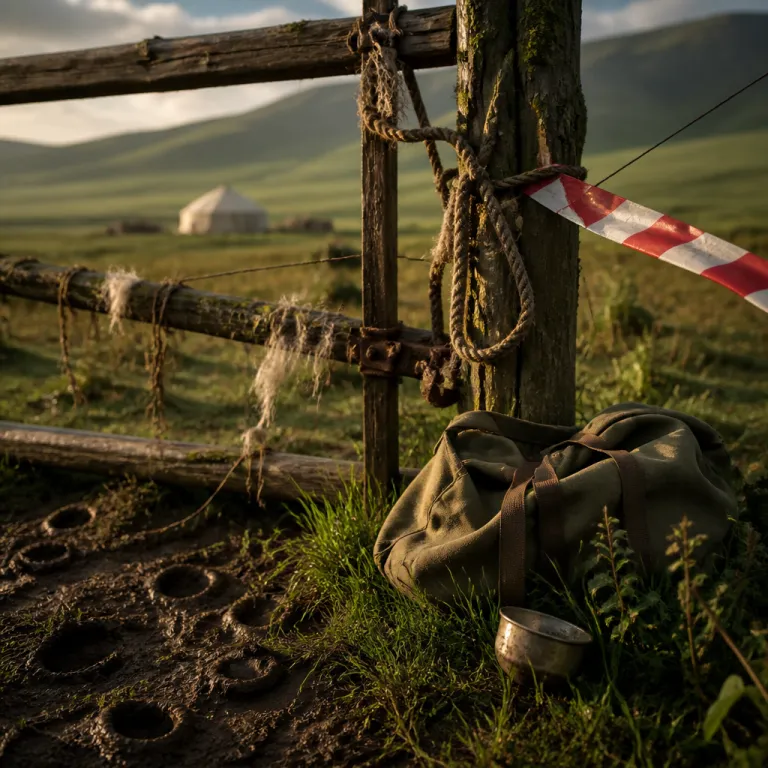
Western Mongolia is under targeted quarantine, and that reality now shapes every serious Mongolia travel plan. As of early July, Mongolian authorities have imposed interprovincial movement controls in Bayan-Ölgii, Khovd and Dundgovi, creating very real Mongolia travel restrictions 2026 for couples aiming at eagle country and desert drives. These measures affect how and when you enter Mongolia’s western areas, how long you stay in specific districts and which luxury properties can legally operate.
The outbreak is Foot and Mouth Disease in livestock, not a human health emergency, yet it still matters for any high end travel Mongolia itinerary. Veterinary officials confirmed cases in Khovd first, then expanded controls after culling more than one thousand animals in several western areas to protect the wider country. As one official explanation puts it without ambiguity, “What is foot-and-mouth disease? A highly contagious viral disease affecting cloven-hoofed animals.”
For travelers, the key impact is on overland movement and timing rather than on personal medical care needs. Interprovincial entry exit rules can change within days, so your travel guide and your hotel concierge in Ulaanbaatar must monitor local authorities’ orders in real time. Canada, the United Kingdom and Australia have all updated Mongolia travel advice to reflect these restrictions, and couples from the United States should expect airlines, tour operators and every embassy consulate to follow the same cautious line.
Luxury travelers who planned to visit Mongolia for long drives between western national park landscapes now face detours. Bayan-Ölgii’s Altai, Deluun, Ölgii and Tsengel districts, Khovd’s Altai, Bulgan and Üyench districts, and Dundgovi’s Gurvansaikhan and Adaatsag districts are under the tightest controls. These are not blanket bans on travel, but they do mean your driver will need permits, your hotel will need clearances and your travel insurance should explicitly cover disruption, medical evacuation and flexible rebooking.
Expect local consular assistance to focus on movement questions rather than evacuation, because the outbreak is agricultural. Still, couples should contact their embassy consulate before they enter Mongolia, especially if they plan to cross by land from China or combine several western provinces in one trip. The safest approach is to treat Mongolia visa formalities, travel insurance documents and any visa free eligibility as a single planning package, checked carefully against the latest Mongolia travel restrictions 2026 before you pay a single USD for non refundable rooms.
Impact on eagle country, Naadam style festivals and Gobi Desert circuits
Bayan-Ölgii is the emotional heart of Kazakh eagle hunting tourism, and that is where many couples planned their best time in Mongolia. The current Mongolia travel restrictions 2026 mean that some eagle hunting lodges and ger camps in affected districts cannot guarantee access on specific days, even if your booking is confirmed and prepaid. Large public gatherings may also face limits in Khovd, which can reshape any festival focused itinerary built around regional celebrations.
Naadam festival experiences in Ulaanbaatar remain the safest bet for now, because the capital lies far from the quarantine areas and operates under normal entry exit rules. Couples can still book premium rooms near the main stadium, then use a detailed travel guide to weave in private archery lessons, horse racing excursions and evenings in contemporary Mongolian restaurants. If you want a deeper nomadic immersion without entering restricted western areas, consider high end ger stays in central provinces, where the focus is not the ger’s heated floor but the airag the herder offers when you arrive unannounced.
Luxury Gobi Desert itineraries are largely intact, since the main Gobi Desert circuits sit well south of the current FMD zones. High end camps near Yolyn Am, Khongoryn Els and other national park style landscapes continue to operate, though they still follow strict sanitation procedures to protect local herders’ livestock. When you travel Mongolia in this period, your operator will likely add disinfection stops for vehicles and luggage, a small trade off for uninterrupted sunsets and quiet dunes.
Western Mongolia’s restrictions do not close the country to romance or comfort, but they do demand precision. Couples should ask every hotel and camp for written travel advice on road access, local health protocols and any extra costs in USD linked to rerouting. For curated alternatives and flexible luxury hotel options beyond the restricted areas, our guide to premium stays and exclusive offers provides a useful starting point at luxury hotel deals in Mongolia.
Health wise, travelers are not at direct risk from Foot and Mouth Disease, yet the outbreak still intersects with broader medical planning. Couples should carry comprehensive travel insurance that covers medical care in Ulaanbaatar, emergency medical evacuation to a regional hub and trip interruption if local authorities tighten controls. Think of it as a layered safety net that supports both your Mongolia visa documentation and your right to consular assistance if flights, trains or private transfers are suddenly rerouted.
How luxury hotels and operators are adapting, and how to plan now
High end properties and operators in Mongolia have moved quickly to adapt to the FMD outbreak, because their business depends on reliable access. In western areas under quarantine, some camps have paused new bookings, while others work closely with provincial veterinary departments and local authorities to secure limited movement permits for essential staff only. Many Ulaanbaatar based agencies now redesign Mongolia travel routes in real time, swapping restricted valleys for open steppe and adjusting the number of days spent in each region.
For couples, the most effective strategy is to build flexibility into every stage of the trip, from visa applications to hotel check out. When you plan to visit Mongolia, choose operators who can show written contingency plans, including alternative national park stays and clear policies on refunds in USD if Mongolia travel restrictions 2026 tighten. Ask explicitly how they will coordinate with consular services and what support they can offer if you need to contact your embassy consulate for emergency documents or updated travel advice.
Luxury hotels in Ulaanbaatar are becoming the new anchor for western focused itineraries, acting as staging posts while conditions evolve. Our overview of refined stays near the capital’s key highlights at refined stays near Ulaanbaatar’s highlights outlines which properties combine strong concierge teams with reliable information channels. These teams will help you navigate entry exit rules, confirm whether your passport qualifies for any visa free arrangements and advise on the best time to shift a western loop toward the Gobi Desert or central steppe.
Before you enter Mongolia, align your Mongolia visa status, your travel insurance coverage and your hotel cancellation windows with the current outbreak map. Couples from the United States and other long haul markets should keep printed copies of policy numbers, consular contact details and any pre approved medical evacuation coverage in their hand luggage. With that groundwork in place, you can still travel Mongolia with confidence, adjusting your route around western quarantine lines while keeping the essence of a Mongolian journey intact.
Further information
For the latest official context on the Foot and Mouth Disease situation and related movement controls, monitor updates from the Government of Canada’s travel advisory for Mongolia, the United Kingdom’s Foreign, Commonwealth & Development Office and Australia’s Smartraveller service.