Why Mongolia photography travel steppe belongs on every serious shot list
Mongolia sits at more than 1,500 metres above sea level, and that altitude shapes every frame you shoot on the Mongolian steppe. The air is dry, the horizons run for miles without interruption, and the light during each day feels unusually clean and directional for landscape work. When you plan a Mongolia photography journey across the steppe, you are really planning how to spend time with this light rather than simply ticking off places on a trip map.
Population density in Mongolia averages just two people per square kilometre, so the steppe gives photographers uncluttered compositions that feel almost abstract. That emptiness becomes a luxury when you are used to fighting for a tripod spot at a national park viewpoint in other countries, and it lets you work slowly with your local guide and your camera without distraction for hours. Many solo travellers say their first early morning on the open grasslands felt surreal, because the only sounds are wind, horses and the quiet clink of gear as they set up for golden hour.
Golden hour here lasts roughly 30 minutes after sunrise and before sunset, but the flat horizon stretches that warm transition in a way that rewards patience. In summer, sunrise hovers around 5:30 AM and sunset near 21:00, which means long days and three distinct windows of workable light if you count blue hour. Photographers like Boroo Ulzi, Frédéric Lagrange and Max Avdeev have all built bodies of work around this Mongolian light, and their images show how a single horse or ger can anchor an entire frame of sky and steppe during a dedicated Mongolia photography travel itinerary.
Golden hour routes: from Ulaanbaatar to the far western ranges
Most luxury travellers start their Mongolia photography adventure in Ulaanbaatar, where high-end hotels offer a soft landing before you head out. If you want a refined city stay with strong sunrise views over the capital, study the properties highlighted in this guide to elegant hotels in Ulaanbaatar. One night in the city lets you adjust to the time difference, meet your local guide and check every lens, battery and sleeping bag before you ride miles into the countryside.
From Ulaanbaatar, many photographers head west toward Altai Tavan Bogd National Park, a region often shortened to Altai Tavan Bogd by Mongolian guides. This national park sits near the borders with Russia and China, and the peaks around Tavan Bogd catch the first light of day in a way that makes even seasoned landscape photographers pause. Staying in a well-run ger camp on the approach to Altai Tavan Bogd gives you three days of dawn and dusk access, and the combination of snow-capped mountains, eagle hunters and endless steppe makes this route a core part of any serious Mongolia photography travel plan.
On the way back from Altai Tavan Bogd, consider routing through Bogd National Park south of Ulaanbaatar, which offers gentler hills and more accessible ger camps. Here the Mongolian steppe rolls rather than rises, and the view from each camp at sunset often includes horses grazing near your ger and a family tending to traditional Mongolian food preparations. For travellers who want atmospheric stays that still feel rooted in nomadic life, this detailed piece on Mongolia's most atmospheric stays is a useful companion when choosing where to set your base between long photography drives of several hours.
Life in a ger camp: framing the Mongolian steppe from your doorstep
Luxury in Mongolia rarely means marble lobbies; it means waking up in a heated ger with the door facing east toward the first light of day. A well-managed ger camp on the Mongolian steppe gives you a private ger with proper bedding, while still leaving space to unroll a sleeping bag if you want to head out for a night sky session. The best camps position each ger so that you can step outside in the early morning, walk three steps and frame horses against a clean horizon without another structure in view.
Inside a ger, you will usually find a central stove, low beds and painted furniture, and the circular shape makes the light fall in soft gradients that portrait photographers love. Shooting inside ger spaces requires sensitivity, because you are entering a family home even when you have booked it through a luxury operator, and this is where etiquette matters as much as exposure. For a deeper sense of how to behave when you have met local hosts and want to photograph their life, the guide to nomadic etiquette is essential reading before you start travelling Mongolia with a camera.
Outside the ger camp, daily life unfolds in slow, photogenic rhythms that reward staying put for three days rather than rushing between locations. Children might improvise a soccer match on the steppe, herders ride miles to check their animals, and a grandmother prepares traditional Mongolian food inside ger walls while chatting with your local guide. When you are patient enough to watch these scenes repeat over several days, you start to anticipate the exact moment when a horse will cross the light or when the family will step outside together, and that is when Mongolia photography work shifts from snapshots to considered storytelling.
Portraits, eagle hunters and the ethics of photographing people
Nomadic portraiture is one of the strongest draws for anyone planning a Mongolia photography travel steppe itinerary, but it also carries the greatest responsibility. Herder families, Naadam competitors and eagle hunters are not props; they are people living complex lives in a landscape that already demands a lot from them. The rule is simple yet non-negotiable for travelling Mongolia with a camera: always ask first, always share the result.
In western Mongolia, many travellers arrange to spend one or three days with Kazakh eagle hunters near Altai Tavan Bogd, often staying in a ger camp that works closely with specific families. You might ride miles with a hunter and his horse to reach a ridge before sunrise, and the first time you see a golden eagle spread its wings against the morning light often feels surreal. When you show the images on the back of your camera several times during the day, you are not just being polite; you are building trust that will shape every frame you make on that trip.
Respect also means understanding when not to shoot, especially inside ger spaces where family rituals unfold. If a child wakes up sick, if a private conversation is happening or if a ceremony begins, put the camera down and simply share the time, because no photograph is worth damaging a relationship that your local guide has spent years nurturing. As one common explanation for respectful timing puts it, “Engage with local communities respectfully.”
Night skies, wildlife and the technical side of Mongolia photography travel steppe
Once the sun drops, Mongolia becomes one of the darkest photography destinations on the planet, especially when you are far from Ulaanbaatar in a remote ger camp. With almost no light pollution on the open Mongolian steppe, the Milky Way often appears to the naked eye, and long exposures turn each night into a study of time and movement. Many photographers say their first attempt at star trails above a lone ger felt surreal, because the sky seems to rotate around a fixed point while life on the ground stays completely still.
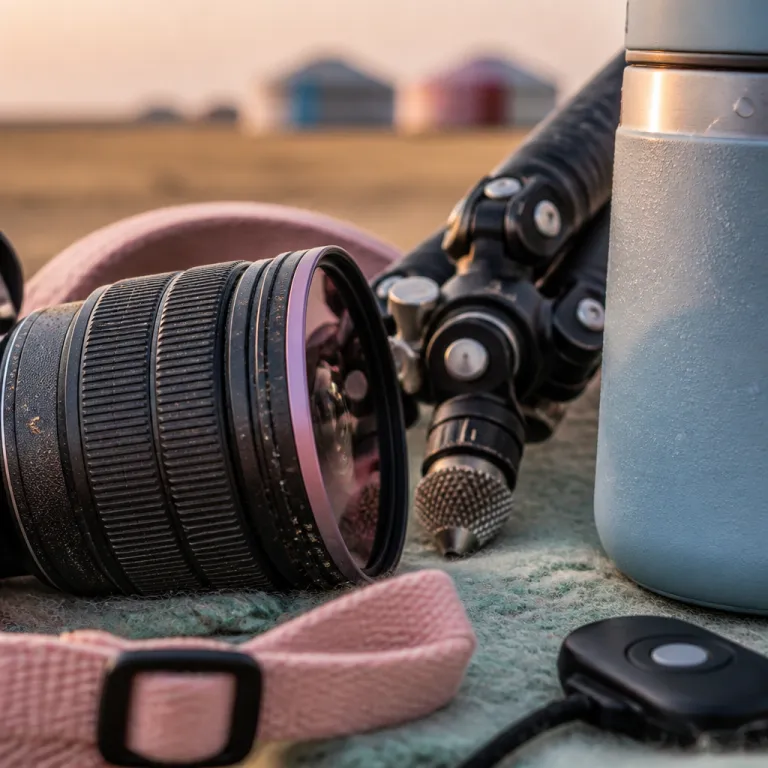
For this kind of work, you need to think practically about gear and logistics during your trip. Wide-angle lenses between 16 and 35 millimetres help you frame both sky and foreground, while a telephoto between 70 and 200 millimetres isolates horses, eagle hunters or distant ridgelines in Bogd National Park and other protected areas. A sturdy tripod, extra batteries and a reliable sleeping bag become non-negotiable, because temperatures can drop sharply within hours after sunset, and charging options are limited when you are travelling Mongolia off grid for three days or more.
Wildlife adds another layer of complexity to Mongolia photography travel planning, especially if you want to photograph Przewalski’s horses at Hustai National Park, wild camels in the Gobi or golden eagles in Bayan Ulgii. Patience and local guide knowledge are essential, because animals move across miles of terrain and may only appear briefly at dawn or in the early morning. Many photographers structure their days around scouting with a guide, then return to the same view three times at different hours to understand patterns before committing to a final, carefully composed frame.
Seasons, timing and choosing the right luxury base for your camera
Seasonality shapes every Mongolia photography travel steppe decision, from where you book your hotel to how many hours of light you will have each day. June and July bring green steppe, Naadam festivals and long evenings, which makes them ideal for travellers who want both cultural events and landscape work. September and October shift the palette toward gold and rust, and this is when many eagle hunters gather for festivals near Altai Tavan Bogd, giving you concentrated access to portrait subjects while staying in comfortable ger camps or premium lodges.
When you plan your route, think in terms of three-day clusters anchored by reliable accommodation rather than a frantic loop across the entire country. One cluster might pair an elegant hotel in Ulaanbaatar with day trips to Bogd National Park, while another focuses on a single ger camp deep in the Mongolian steppe where you can work the same view at sunrise, midday and sunset. This slower rhythm lets you adapt to weather shifts, revisit compositions that did not work on previous days and spend more time with any family you have met local to the camp.
Luxury properties in Mongolia increasingly understand the needs of serious photographers, offering early morning coffee, flexible meal times and staff who can arrange a horse at short notice when the light turns. Some even coordinate informal activities like a friendly soccer match with local children near camp, which can yield joyful, kinetic images that balance the stillness of the wider landscape. When you combine this level of hospitality with the unique light advantages of Mongolia, the case for the country as the world’s most underrated photography destination becomes very hard to argue against.
Key figures for planning Mongolia photography travel steppe
- Mongolia’s population density averages about 2 people per square kilometre, which means vast stretches of Mongolian steppe remain visually uncluttered for landscape photography (World Bank, recent data, worldbank.org).
- Average summer sunrise in Mongolia is around 5:30 AM, while sunset is close to 21:00, giving photographers long days and extended golden hour windows for each trip segment (NOAA-based sunrise/sunset calculators, seasonal averages).
- Golden hour in Mongolia typically lasts about 30 minutes after sunrise and 30 minutes before sunset, but the flat horizon on the steppe often makes the transition between hard and soft light feel longer in practice (field observations from photography tour operators).
- Many premium ger camps and lodges in key regions such as the Gobi, Khuvsgul and Altai Tavan Bogd now offer off grid power solutions, allowing photographers to charge batteries and devices during multi-day stays without returning to Ulaanbaatar (industry reports from Mongolian tourism boards).
| Planning element | Quick guidance for Mongolia photography travel |
|---|---|
| Best months | June–July for green steppe and Naadam; September–October for golden grass and eagle hunter festivals. |
| Core regions | Ulaanbaatar & Bogd National Park, Altai Tavan Bogd, Gobi Desert, Khuvsgul area. |
| Essential kit | Wide-angle 16–35 mm, telephoto 70–200 mm, sturdy tripod, extra batteries, weather protection, warm sleeping bag. |
FAQ about luxury stays and photography on the Mongolian steppe
What is the golden hour and why does it matter in Mongolia ?
The golden hour is the period shortly after sunrise and before sunset with soft, warm light. On the Mongolian steppe, this light skims low across the land, emphasizing texture in grass, horses and ger silhouettes. Because horizons are unobstructed, the transition into and out of golden hour feels gradual, giving photographers more workable minutes than in many mountainous regions.
Why is Mongolia considered ideal for photography focused travel ?
Mongolia combines vast, unspoiled landscapes with unique lighting conditions and very low population density. That means fewer visual distractions, cleaner compositions and a sense of space that is rare in other national park systems around the world. When you add nomadic culture, eagle hunters and dark night skies, the country becomes a comprehensive field for both landscape and portrait work.
What equipment should I bring for a mongolia photography travel steppe itinerary ?
Most photographers rely on a wide-angle lens between 16 and 35 millimetres for landscapes and night skies, plus a telephoto between 70 and 200 millimetres for wildlife and distant details. A sturdy tripod, extra batteries, weather protection and a warm sleeping bag are essential, because you may be shooting for hours in cold, windy conditions far from power sources. Photography tour operators and experienced professionals consistently recommend this combination for travelling Mongolia.
How should I approach photographing nomadic families and eagle hunters respectfully ?
Always ask permission before taking a portrait, whether you are inside ger spaces or outside on the steppe, and be ready to put the camera down if someone seems uncomfortable. Share images on your camera screen, offer to send files later through your local guide and avoid interrupting private moments or religious rituals. As one widely used explanation puts it, “Engage with local communities respectfully.”
Do I need a local guide for photography focused travel in Mongolia ?
A local guide is strongly recommended, especially if you plan to visit remote areas such as Altai Tavan Bogd or lesser known sections of Bogd National Park. Guides help with translation, cultural etiquette, route planning and safety, and they often know exactly where to find the best views or when wildlife is most active. For luxury travellers, many high-end hotels and ger camps can arrange experienced guides who understand both photography needs and traditional Mongolian customs.