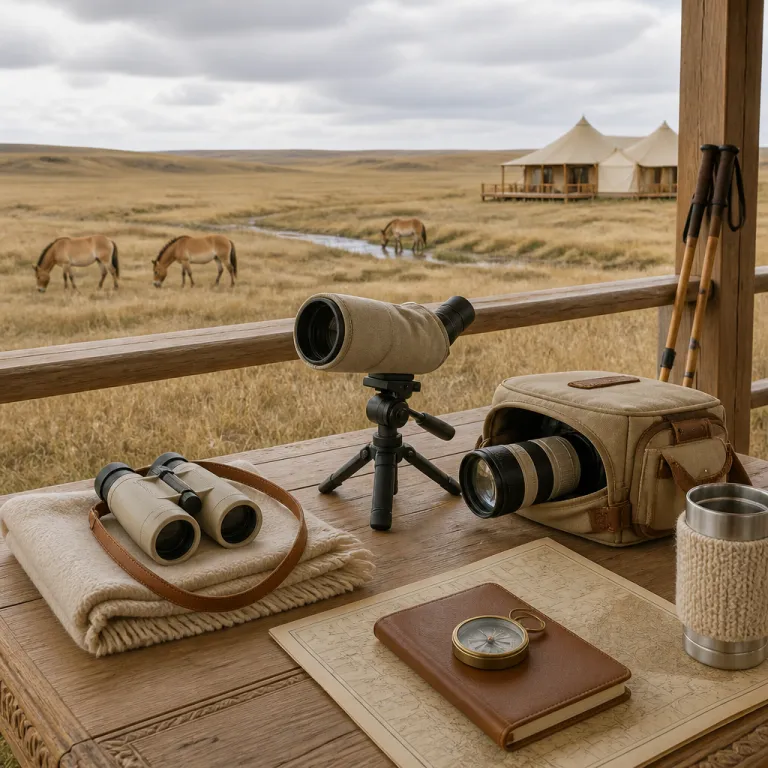
Choosing a Mongolia wildlife luxury lodge for serious animal encounters
For a solo traveler, the right Mongolia wildlife luxury lodge is less about thread count and more about proximity to real movement on the steppe. You want a desert lodge or steppe camp that sits where tracks cross, where the view from your ger or room lets you learn the rhythms of nomadic life without sacrificing a private bathroom or reliable heating. The perfect balance is a property that understands both wildlife and culture in Mongolia, and treats the surrounding desert or grassland as a living neighbor rather than a backdrop.
Near Hustai National Park, luxury ger camps and small lodges position you within a short drive of the reintroduced takhi, the Przewalski's horses that once vanished from the wild in Mongolia. According to the IUCN Red List and Hustai National Park authorities, the global wild population now exceeds 1,900 individuals, with several hundred in Mongolia’s reintroduction sites, which makes every sighting feel like a great conservation success story. Guided drives at dawn and dusk give you a clear view of family groups moving across the hills, while your lodge can arrange horseback riding or hiking so you experience the landscape at a slower, more traditional pace.
In the south, a Mongolia wildlife luxury lodge in the Gobi Desert trades density for drama, with vast desert Mongolia horizons and the chance to track rare species across huge distances. Properties such as Three Camel Lodge sit in the heart of Mongolia Gobi country, where the sand dunes, rocky ridges, and wide valleys create a classic desert backdrop for your trip. Here, the focus is on multi day adventure, with three or more nights recommended so you can travel to the Flaming Cliffs, explore the towering dunes, and still have time to sit quietly and watch the light change over the desert.
When you start planning, decide whether you want the higher wildlife density of a national park like Hustai or the epic scale of the Gobi Desert, then choose a lodge that matches your style of travel. Some travelers prefer a traditional Mongolian ger with a wood stove and simple furnishings, while others want a stone lodge with en suite private bathroom and hotel style amenities. Both can still offer a strong commitment to sustainability, locally sourced food, and respectful relationships with nomadic families who graze their herds nearby.
For a curated overview of where each lodge in Mongolia fits on the comfort and wilderness spectrum, use a specialist platform that focuses on premium stays. A resource such as this guide to luxury hotel reservations in Mongolia helps you compare properties by location, wildlife access, and level of service. That kind of granular information matters when you are weighing a ger camp near sand dunes against a stone lodge closer to a national park boundary.
Hustai versus the Gobi: where a wildlife watcher should sleep
Hustai National Park and the Gobi Desert offer very different wildlife experiences, and your choice of Mongolia wildlife luxury lodge should reflect that. Hustai, about 2.5 hours from Ulaanbaatar by road under normal conditions, is compact enough that you can see Przewalski's horses, red deer, and marmots in a single day, then return to your lodge for a hot shower and a proper bed. The Gobi, by contrast, is a vast desert Mongolia region where you travel longer distances between sightings, but the sense of space and silence is unmatched.
Near Hustai, lodges and ger camps work closely with park rangers and conservation organizations to manage vehicle routes and viewing etiquette. Many properties provide binoculars and field guides so you can learn to distinguish a wild takhi from domestic horses, and staff often explain why the question “Are Przewalski's horses truly wild?” and the answer “Yes, they are the last surviving wild horse species.” are more than a trivia exchange. Because wildlife density is higher here than in much of Mongolia Gobi, you can often combine a half day safari style drive with time to walk among rolling hills and observe traditional Mongolian herders moving their livestock.
In the south, a Mongolia wildlife luxury lodge such as Three Camel Lodge places you within reach of the Gobi Desert's signature sites, but wildlife encounters are more about patience than checklists. The area is known habitat for wild Bactrian camel, argali sheep, and elusive snow leopards, yet you may spend three days scanning ridges before you glimpse a single silhouette. Lodges here usually emphasize the full desert experience, combining visits to sand dunes and the Flaming Cliffs with evenings in a Mongolian ger or stone room that looks out over a wide, empty view.
For business travelers extending a work trip, it can be tempting to rush south after meetings in the capital. Before you do, read a candid assessment of what Ulaanbaatar's business hotels get right and wrong, then decide whether to spend an extra night in the city or head straight to a lodge near Hustai. If your time is short, a one or two night stay close to the national park gives you a realistic chance of seeing Przewalski's horses, while a longer Gobi Desert adventure suits travelers who can commit at least three or four nights. Either way, align your lodge choice with your tolerance for long drives, your photography goals, and how deeply you want to engage with nomadic life.
Inside Mongolia’s wildlife lodges: gers, comfort and culture
Step into a well run Mongolia wildlife luxury lodge and you will notice that comfort is used in service of immersion, not separation. Many properties use the traditional Mongolian ger as their core room type, then quietly add insulation, proper bedding, and a private bathroom block or en suite facilities to keep solo travelers comfortable. The best lodges understand that you came to Mongolia to experience nomadic life and culture, not to feel sealed off from it behind tinted glass.
In the Gobi Desert, Three Camel Lodge has become a reference point for how a camel lodge can blend authenticity and comfort without diluting either. Its stone buildings echo the lines of a Mongolian ger, while the interiors use locally sourced materials and work by local artisans to create a sense of place rather than generic luxury. Around the Moltsog sand dunes, Moltsog Els Resort operates a more traditional ger camp, where you sleep in a round felt dwelling and wake to the sound of camel bells and wind moving across the desert.
Wherever you stay, pay attention to how your lodge talks about its commitment to sustainability, because this is where marketing language meets real practice. Some properties support nomadic families by leasing land, buying dairy products, or hiring herders as guides, which keeps nomadic life economically viable while giving guests a direct line into traditional knowledge. Others focus on energy use and water conservation, installing solar panels, limiting shower times, and designing three stage waste systems that protect fragile desert Mongolia ecosystems.
Culture runs through the daily rhythm of a good Mongolia wildlife luxury lodge, from the way staff greet you to the stories shared over dinner. You might spend one evening in a Mongolian ger listening to a herder explain what a ger is and how it is moved three or four times a year, then the next night learning about eagle hunting traditions in the far west. To understand how these practices fit into a broader narrative of mobility and resilience, read an analysis such as how UNESCO’s nomad migration listing should reshape your trip before you start planning your own route.
Ethical wildlife tourism: distances, guides and the Gobi bear question
Ethical wildlife watching in Mongolia starts with accepting distance, and a serious Mongolia wildlife luxury lodge will be honest about that. You are entering landscapes where animals have room to move, so a respectful view often means staying in the vehicle or on a ridge and letting the binoculars do the work. Lodges that promise guaranteed close encounters with snow leopards or wild Bactrian camel in the Gobi Desert should raise questions, not expectations.
Guide qualifications matter more here than in many destinations, because the line between a great experience and a stressed animal can be thin. Look for lodges that partner with conservation organizations, train guides in species behavior, and enforce rules against feeding wildlife or approaching nests, especially in national park zones. When staff explain that knowing what a ger is and how nomadic families move seasonally is basic knowledge, but that understanding migration routes and breeding seasons takes years, you know you are in the hands of professionals who respect both animals and nomadic families.
The Gobi bear, or mazaalai, is the sharpest ethical test for any Mongolia wildlife luxury lodge operating in Mongolia Gobi. With fewer than 40 individuals surviving in a remote part of the desert, according to Mongolian conservation agencies and IUCN assessments, serious conservationists agree that trying to see one on a short trip is neither realistic nor responsible. A lodge that claims regular sightings is either misidentifying animals or putting pressure on a critically endangered species, so your perfect response is to decline such offers and focus instead on learning about the bears' habitat and the research being done to protect them.
Ethical practice extends to how lodges interact with nomadic life, from where they place vehicle tracks to how they manage water points used by herders and their livestock. Properties with a genuine commitment to sustainability will consult local communities before expanding, hire local artisans for building projects, and source meat and dairy from nearby families rather than trucking everything in. As a guest, you can support this by choosing lodges that publish clear environmental policies, limiting your own water use in the desert, and treating every wildlife encounter as a privilege rather than a right.
Seasonality, species and photography logistics from your lodge base
Timing your trip is as important as choosing the right Mongolia wildlife luxury lodge, especially if you are serious about photography. Przewalski's horses in Hustai National Park can be seen year round, but spring and autumn bring cooler temperatures and more active behavior, which makes long lens work from a vehicle or hillside more rewarding. In the Gobi Desert, winter is prime time for tracking snow leopards and wild Bactrian camel, while summer brings migratory birds and clearer access to remote valleys.
Most high end lodges in Mongolia understand that solo travelers arrive with cameras, and they design logistics accordingly. Expect 4x4 vehicles with limited passenger numbers so everyone has a clear view, flexible departure times to catch first and last light, and guides who know when to cut the engine and let silence settle. Some properties near national park boundaries even offer simple hides or fixed viewpoints where you can spend three or four hours watching a single ridge or water source without disturbing wildlife.
Pack as if you will be outside longer than you think, because you probably will. Warm layers, windproof outerwear, and gloves that allow you to operate camera controls are essential, even in seasons that feel mild in Ulaanbaatar, and lodges often remind guests to pack warm clothing and bring insect repellent for steppe evenings. A good Mongolia wildlife luxury lodge will provide binoculars and sometimes tripods, but serious photographers should still travel with their own support gear, spare batteries, and dust protection for lenses in desert Mongolia conditions.
When you start planning, talk to your chosen lodge about specific species and routes rather than generic “safaris”. Ask how many hours you will spend driving versus walking, whether there are opportunities to visit nomadic families without staging, and how the lodge balances guest requests with its commitment to sustainability. The more detailed the answers, the more likely you are to return with images that reflect real Mongolian landscapes and culture, rather than a curated highlight reel.
Gobi icons: Flaming Cliffs, dinosaur bones and camel caravans
For many travelers, the Gobi Desert is where the idea of a Mongolia wildlife luxury lodge becomes most vivid. You wake in a Mongolian ger or stone room, step outside into cold, dry air, and see camel caravans moving slowly across a horizon that seems to have no edge. This is desert Mongolia at its most cinematic, and the right lodge will help you experience it without turning it into a theme park.
The Flaming Cliffs, known locally as Bayanzag, are a highlight for both geology and paleontology, and most lodges in Mongolia Gobi build at least one excursion here into their programs. This is where some of the first dinosaur skeletons and eggs in the region were documented, and walking along the rim at sunset gives you a layered view of erosion, color, and deep time. A thoughtful guide will encourage you to learn about the scientific work that continues here, rather than treating the cliffs as a simple photo stop.
Camel experiences vary widely, and your choice of Mongolia wildlife luxury lodge will shape how authentic they feel. Some properties offer short, staged rides near camp, while others work with nomadic families who keep camel herds and can lead longer journeys across sand dunes that still function as real transport routes. If you want more than a quick snapshot, ask your lodge about multi hour camel treks, how the animals are treated, and whether income from these activities supports herders directly.
Food is another quiet pleasure in the Gobi, especially at lodges that take locally sourced ingredients seriously. Menus might feature mutton, beef, and dairy from nearby herders, vegetables grown in small greenhouses, and breads baked on site, with local artisans contributing ceramics or textiles that give the dining room a sense of place. When a property talks about its commitment to sustainability in the same breath as it describes its supply chain, you know that your comfort is being balanced against the realities of life in a fragile desert ecosystem.
Key figures for Mongolia’s wildlife and conservation travel
- Przewalski's horse numbers in Mongolia are now in the several hundreds across reintroduction sites such as Hustai and Khomyn Tal, within a global wild population of more than 1,900 individuals according to the IUCN Red List and park authorities, making Hustai National Park one of the most important reintroduction sites on the planet.
- Travel time from Ulaanbaatar to Hustai National Park is approximately 2.5 hours by road in typical conditions, which allows solo travelers to fit a one night wildlife stay into even a short work trip.
- Mongolia hosts well over a hundred eco friendly tourism and conservation projects focused on sustainable interaction with fragile ecosystems, according to national tourism and environment agencies, a scale that underpins the country’s positioning as an Adventure Capital of Asia.
- The Gobi bear, or mazaalai, has a remaining population of fewer than 40 individuals in a remote part of the Gobi Desert, a figure reported by Mongolian researchers and IUCN assessments that explains why responsible lodges refuse to offer bear tracking as a standard activity.
FAQ about Mongolia’s wildlife lodges and Przewalski’s horses
What is a ger and will I have modern comforts inside ?
A ger is the circular, felt covered dwelling used by nomadic families across Mongolia, and many wildlife lodges use it as their primary room type. In a well run Mongolia wildlife luxury lodge, a Mongolian ger will usually include proper beds, insulation, and access to a private bathroom, either en suite or in a nearby heated block. You get the traditional structure and atmosphere, but with enough comfort to sleep well between long days in the field.
Are Przewalski’s horses truly wild and where can I see them ?
“Are Przewalski's horses truly wild?” is a question you will hear often in Hustai National Park, and the answer “Yes, they are the last surviving wild horse species.” is repeated with pride by rangers and guides. Hustai, about 2.5 hours from Ulaanbaatar, is the most accessible place to see them from a lodge base, with guided drives at dawn and dusk offering the best chances. Several lodges and ger camps near the park work closely with rangers to ensure that viewing remains respectful and that tourism supports ongoing conservation.
Is it realistic to see a Gobi bear during my stay ?
Seeing a Gobi bear is extremely unlikely and should not be an expectation for any responsible trip. With fewer than 40 individuals surviving in a remote part of the Gobi Desert, the species is critically endangered and lives far from standard lodge circuits. Ethical Mongolia wildlife luxury lodges will focus instead on education about the bears and support for research, rather than promising sightings.
How many nights should I spend at a wildlife lodge in Mongolia ?
For Hustai National Park, one or two nights at a lodge is usually enough to see Przewalski’s horses and enjoy some hiking or horseback riding. In the Gobi Desert, plan at least three or four nights at a Mongolia wildlife luxury lodge such as Three Camel Lodge or a ger camp near Moltsog sand dunes, because distances between sites are long. This gives you time to visit the Flaming Cliffs, walk among dinosaur skeletons in small local museums, ride camel across dunes, and still have unstructured hours to sit, watch, and photograph.
What should I pack for a wildlife focused lodge stay ?
Conditions in Mongolia can change quickly, so pack warm clothing in layers, a windproof jacket, and gloves that allow you to handle camera gear. Lodges often recommend that guests bring insect repellent, sturdy walking shoes, and any personal medications, as shops are far away from most national park and desert locations. If you are serious about photography, add binoculars, spare batteries, and dust protection for lenses, especially for extended time in desert Mongolia environments.