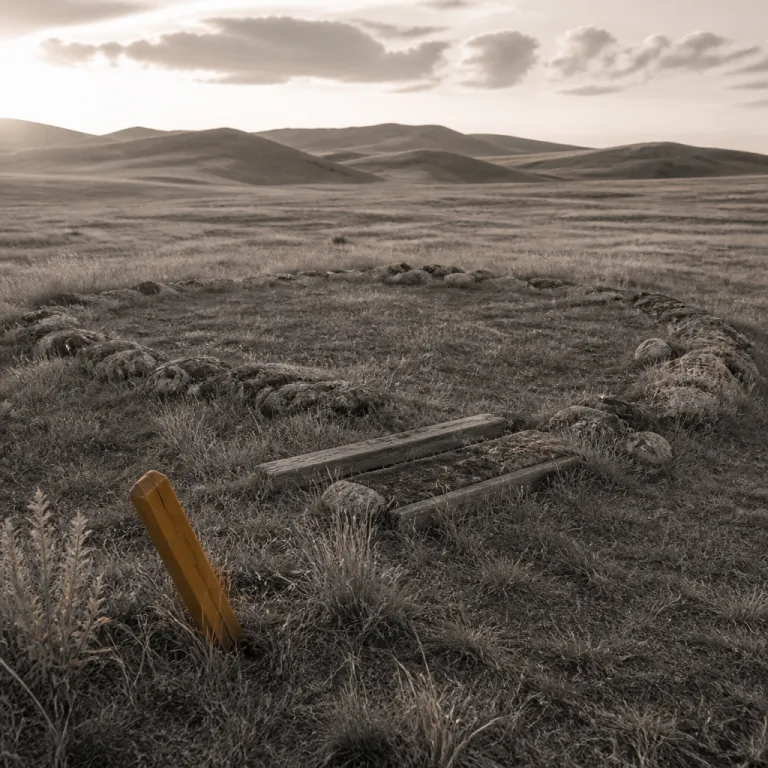
Seasonal luxury camps that vanish with the steppe winds
In high-end, low-impact travel, Mongolia now has a quietly radical idea. The most forward-thinking properties in the Gobi Desert are seasonal ger camps that assemble in mid May and vanish again by early October, leaving grasslands almost exactly as they were. For couples planning a private trip, this disappearing architecture changes how you think about comfort, impact and what an unforgettable journey in Mongolia should feel like.
The Pavilions Mongolia operates as a seasonal ger camp that is built each summer then fully disassembled, a model that embodies the purest form of leave-no-trace travel in western Mongolia and the South Gobi. According to the camp’s own sustainability notes, every structure sits lightly on the soil using timber platforms and removable decking, so when the last ger comes down there is no concrete, no foundations and barely a mark on the land, which matters deeply in fragile desert ecosystems where nomadic culture still depends on healthy pasture. This approach to responsible luxury travel in Mongolia aligns closely with centuries of nomadic expeditions, where mobility, respect for the land and minimal permanent impact were non negotiable.
Three Camel Lodge in the Gobi Desert has become a benchmark for this philosophy, even though its handcrafted gers remain in place for a five month season. Built using traditional construction techniques and powered partly by solar panels that supply a significant share of lodge electricity, the property works with local communities and conservation groups to reduce waste and eliminate single use plastics, while still delivering a refined private tour experience. When you fly from Ulaanbaatar to Dalanzadgad then drive the final off road hour, the view of low Bulagtai Mountain and the surrounding desert reminds you that in eco-conscious luxury travel in Mongolia the real asset is the silence, not the thread count.
Water, waste and the hard math of luxury in the Gobi
Nothing tests eco-conscious luxury in Mongolia quite like water management in the Gobi Desert. High end ger camps must offer hot showers and proper bathrooms, yet every litre hauled across the steppe has a cost for both the environment and the nomadic herders who share the same scarce wells. The best properties now treat water as their defining KPI, not an invisible utility, and some publish usage figures per guest night to keep themselves accountable.
At serious eco lodges in the South Gobi, greywater is filtered and reused for non potable purposes, while blackwater is contained and removed from site so that no effluent seeps into the desert soil. Three Camel Lodge has become a reference point here, combining solar power, careful waste management and a strict policy on plastics to show how high-end sustainable tourism in Mongolia can function in one of the driest regions on earth. In its public sustainability statement, the lodge notes that water consumption is monitored per room and that wastewater is treated in sealed systems before being transported away from the desert basin. When a tour operator proposes a private journey Mongolia itinerary, ask explicitly how each camp sources, treats and transports water across the Gobi Desert and the wider Altai Mountains corridor, and whether they comply with Ministry of Environment and Tourism guidelines on well use.
Rubbish is the other hard truth. Some camps still truck in imported goods, then quietly burn or bury waste, which is the opposite of leave-no-trace travel and a real threat to nearby national park zones and Lake Hovsgol style freshwater systems. Responsible properties now separate, compact and back haul waste to Ulaanbaatar, often in partnership with nomadic cooperatives that also supply meat, dairy and wool, and this circular approach is becoming a key criterion for environmentally responsible luxury travel in Mongolia as visitor numbers rise. One lodge manager described the shift bluntly: “We used to burn everything; now every plastic bottle is counted and sent back to the city.” For a deeper look at how climate policy is reshaping these standards, read the analysis on what global climate summits will quietly change about staying in Mongolia, which draws on WWF Mongolia and Global Sustainable Tourism Council benchmarks.
From nomadic culture to golden eagles: who really benefits ?
Luxury properties in Mongolia now sell more than a bed in a ger; they sell proximity to nomadic culture, eagle hunters and the sense of a private window onto ancient rhythms. The question for any couple planning sustainable luxury travel in Mongolia is whether that money reaches the families who still move with their herds across the steppe. The answer depends on how your chosen tour operator structures its contracts, its revenue sharing with herder households and its respect for local agency.
In western Mongolia and the Altai Mountains, the golden eagle and the eagle hunters who train these birds have become icons of high end adventure travel. Some operators stage performances far from the real eagle festival season, flying in a single hunter for photos, which can feel extractive and disconnected from genuine nomadic expeditions. Others work with established cooperatives of eagle hunters, paying fair fees, limiting group sizes and timing visits around the authentic eagle festival and camel festival calendar so that tourism supports, rather than distorts, community life.
Properties like Ayan Zalaat, positioned within the Bogd Khan Uul UNESCO Biosphere Reserve, show how sustainable luxury travel in Mongolia can channel revenue into conservation and cultural preservation when contracts are transparent. Here, sourcing from nomadic cooperatives for meat, dairy and textiles reduces imports and keeps value in the community, while strict caps on guest numbers protect wildlife corridors in the surrounding mountains. WWF Mongolia and the Global Sustainable Tourism Council both highlight such benefit-sharing models as good practice for nature-based tourism. For an architectural perspective on this low impact ethos, see our feature on joinery without nails and the quiet architecture movement inside Mongolian luxury, which explains why some gers and lodges are designed to be dismantled without leaving scars.
How to read between the green lines before you book
Eco labels now appear on almost every high end property in Mongolia, from the Gobi Desert to Lake Hovsgol and the remote Altai. For couples planning sustainable luxury travel in Mongolia, the challenge is separating genuine impact from marketing gloss. A few precise questions will quickly reveal whether a lodge is serious or simply chasing a trend.
Start with seasonality and structure. Ask whether the camp is fully removable, how long it operates between May and October, and whether any permanent foundations remain when the last ger is packed away, because true leave-no-trace travel means the land can return to pasture without remediation. Then move to energy and water, requesting clear data on solar capacity, generator hours, water sourcing and waste treatment, and do not hesitate to compare answers between several properties on your short list.
Next, interrogate the human side of sustainable luxury travel in Mongolia. Does the property employ a majority Mongolian team in qualified roles, not just in support positions, and are staff trained for long term career opportunities rather than seasonal churn? Are cultural experiences such as visits to Naadam festival celebrations, meetings with eagle hunters or trips to the Flaming Cliffs designed with community consent and capped group sizes, or are they mass market add ons to a rushed tour? For more guidance on evaluating these nuances, our in depth piece on cultural experiences for discerning travelers in Mongolia offers practical checklists tailored to private and family adventure itineraries.
Balancing rising tourism with fragile steppe ecosystems
Tourism to Mongolia has surged in recent seasons, with visitor numbers rising far faster than the capacity of fragile steppe and desert ecosystems to absorb them. The government has designated 17 tourism zones across 12 aimags, each with environmental standards that, on paper, should guide sustainable luxury travel in Mongolia. The reality on the ground is more complex, especially in hotspots such as the South Gobi, Lake Hovsgol and the Altai Mountains.
In places like the Flaming Cliffs and the wider Gobi Desert, unregulated vehicle tracks now crisscross once pristine valleys, while informal camps appear near water sources used by both wildlife and nomadic herders. National park authorities are racing to enforce carrying capacities, but enforcement is uneven and some tour operators still prioritise short term results over long term conservation. This is where traveler choices matter; when couples insist on low impact routes, smaller group sizes and properly licensed guides, demand shifts toward operators who respect both the land and the people who live on it.
Three Camel Lodge offers a glimpse of what a mature model can look like, combining limited capacity, strong ties with local communities and a clear conservation strategy that aligns with broader ecotourism goals and WWF Mongolia guidance. Their own FAQ is refreshingly specific: “Camel treks, hikes, paleontology expeditions.” and “Yes, for children aged eight and above.” — concise answers that signal a property confident in its scope rather than trying to be everything to everyone. As more eco friendly projects come online across Mongolia, from western Mongolia eagle festival hubs to quieter journey July and journey October circuits, the lodges that will endure are those that, like the best nomadic camps, can disappear each season without a trace yet leave guests with an unforgettable sense of golden light, wide views and a deeper respect for Chinggis Khan’s homeland.
FAQ
How can I tell if a Mongolian eco lodge really leaves no trace ?
Ask whether every structure is removable, how long the camp operates and what remains when the season ends. A genuine no trace model in sustainable luxury travel in Mongolia uses gers or light structures without concrete foundations, then restores the site so that grazing can resume. Serious properties will also explain how they manage vehicle tracks, greywater and waste once guests leave, and may reference Ministry of Environment and Tourism standards or Global Sustainable Tourism Council criteria.
Is Three Camel Lodge suitable for a family adventure with children ?
Three Camel Lodge is positioned as a luxury eco lodge in the Gobi Desert that welcomes families, with clear age guidelines. Their own information states that the lodge is family friendly for children aged eight and above, which suits many multi generational trips. For younger children, ask your tour operator to design a shorter journey Mongolia itinerary with reduced driving times and more flexible activities.
What activities are typically offered at high end eco lodges in the Gobi ?
Most luxury ger lodges in the Gobi Desert focus on low impact activities that align with sustainable luxury travel in Mongolia, such as guided hikes, camel treks and visits to paleontological sites like the Flaming Cliffs. Some also arrange meetings with eagle hunters in western Mongolia or cultural days with nomadic families, always ideally on a small scale. Motorised sports are rare and, when present, should be tightly controlled to protect the desert environment and comply with protected area rules.
When is the best time to plan a private tour focused on festivals ?
Festival focused itineraries usually revolve around the national Naadam festival in mid summer, the eagle festival in the Altai Mountains and the camel festival in the South Gobi. A private tour can be timed for a journey July circuit that includes Naadam, or a journey October route that targets the main golden eagle gatherings. Work with a specialist tour operator to secure accommodation early, as capacity near festival hubs is limited and eco properties keep guest numbers intentionally low.
Do seasonal camps operate near lake Hovsgol and in national parks ?
Yes, several seasonal ger camps now operate around Lake Hovsgol and within or near designated national park areas, following similar principles to those in the Gobi. These camps assemble for a short season, then dismantle to reduce pressure on shorelines, forests and wildlife corridors. When planning sustainable luxury travel in Mongolia in these regions, prioritise operators who can explain their permits, environmental monitoring and relationships with local communities, and who can point to WWF Mongolia or national park guidance they follow.
Sources
Ministry of Environment and Tourism of Mongolia; World Wildlife Fund Mongolia Programme Office; Global Sustainable Tourism Council; public sustainability statements from Three Camel Lodge and The Pavilions Mongolia.