The pull of the steppe: why couples are rethinking luxury in Mongolia
Luxury in Mongolia is no longer only about marble lobbies and skyline views. For many couples, the real question is whether to book a five star tower in Ulaanbaatar Mongolia or commit to a luxury ger camp Mongolia experience under a sky that feels almost too large. The answer shapes every part of your Mongolia travel plan, from how you pack to how you remember the trip years later.
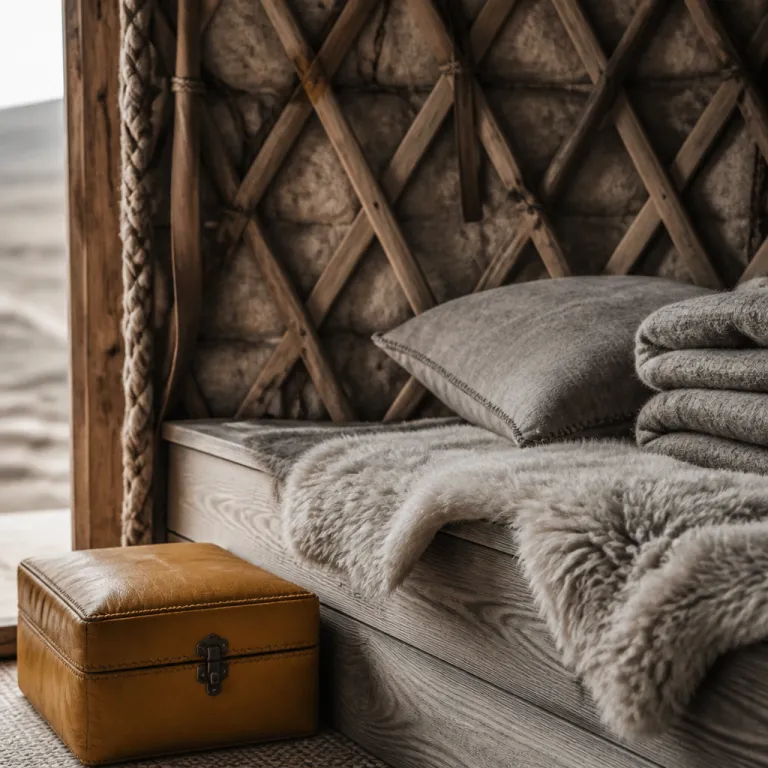
A ger is a traditional Mongolian round tent used by nomads, and the best luxury ger camps Mongolia wide now turn this nomadic icon into a refined base for serious travelers. You still sleep in a circular space framed by timber poles, but you may have heated floors, an en suite bathroom and a proper king bed instead of traditional bedding on felt. This is where the phrase luxury ger finally means something tangible, not just a marketing flourish.
Across camps Mongolia, operators balance comfort with the realities of the steppe, the Gobi Desert and the high lake regions. Remote locations mean limited connectivity, long drives and domestic flights, yet they also mean silence, stars and the chance to stay ger beside real nomadic families. For couples used to quick getaways from Hong Kong or other Asian hubs, that shift from instant convenience to deliberate slowness is often the most luxurious part of the stay.
What “luxury ger” really means: from standard ger to private lodge level
Not all ger camps in Mongolia are created equal, and the gap between a standard ger and a true luxury ger can be startling. At the most basic tourist camp level, you sleep in simple gers with shared bathrooms, thin mattresses and a central stove that you feed with coal or wood. It is atmospheric, but for many couples planning a romantic stay, the charm fades quickly when the night temperatures drop below freezing.
By contrast, a high end ger camp Mongolia property will feel closer to a lodge, even when you are deep in the Gobi. Three Camel Lodge in the Gobi Desert is widely cited as a benchmark, with around forty handcrafted gers, private bathrooms and stone showers that feel almost spa like after a day among dunes and camel herders. Here, the phrase camel lodge is not a gimmick; it signals a level of service and comfort that rivals urban luxury while keeping you firmly inside the desert landscape.
Luxury ger camps Mongolia wide usually include proper insulation, high thread count linens, hot water on demand and often solar powered lighting rather than smoky portable stoves. Many also offer a restaurant ger instead of a basic canteen, serving refined takes on traditional Mongolian dishes alongside lighter options for international travelers. If you are planning to travel with children or to ride horses on the steppe, read field tested accounts such as this guide to what family riding really looks like in Mongolia to understand how different comfort levels affect your overall stay.
Three Camel Lodge and beyond: where to sleep in the Gobi Desert
The Gobi Desert is where the luxury ger camp Mongolia debate becomes most vivid, because the landscape is so extreme and the distances so long. Three Camel Lodge sits in the heart of the Gobi, reached by a one hour flight from Ulaanbaatar to Dalanzadgad followed by a roughly 1.5 hour 4x4 drive across open steppe. For couples, that journey is part of the romance, a slow unfurling of the desert that makes the first sight of the lodge feel richly earned.
Three Camel Lodge has been described in outlets such as National Geographic as a model for sustainable desert hospitality, and it lives up to that reputation in the way it blends traditional Mongolian architecture with discreet luxury. The gers are arranged like a nomadic camp, but each one is effectively a private suite with a stone bathroom, hot shower and carefully curated textiles. You wake to the sound of wind over the desert, not traffic, and your morning coffee arrives as the light hits the distant ridges where camel caravans still move.
Days here are structured around guided travel into the Gobi Desert, from visits to fossil rich cliffs to rides with camel herders who still follow nomadic routes. Evenings return you to the central restaurant ger, where you share stories with other tourist couples over Mongolian lamb and local vegetables. For business travelers used to polished business hotels in Ulaanbaatar Mongolia, it can be a shock to trade elevators for starlight, yet many later say this camp Mongolia stay eclipsed any urban luxury they have known.
Steppe or skyline: Ulaanbaatar’s luxury hotels versus ger camps
Before you commit fully to a luxury ger camp Mongolia itinerary, you need to understand what you gain and lose by skipping Ulaanbaatar’s top hotels. The capital now has serious luxury, from international brands to Ayan Zalaat, often reported as the first Mongolian property to join Leading Hotels of the World. With thirty two rooms, ten dining venues and rates that can reach around 1,600 USD per night according to coverage in South China Morning Post (2023), it is designed for travelers who want every urban comfort before or after the steppe.
Business travelers often start with a night in a central hotel, then head out to ger camps once meetings end, and that pattern works well for couples too. After a long haul flight from places like Hong Kong or New York, a night in a quiet suite with a spa and room service can reset your body clock before you tackle the Gobi or the Orkhon Valley. For a clear eyed look at what city properties get right and wrong, read this analysis of Ulaanbaatar’s business hotels and then decide how much time you truly want to spend in the capital.
Where hotels win is predictability: you know the Wi Fi will work, the water will be hot and the concierge can book last minute tables. Where ger camps win is immersion, because no amount of glass and steel in Ulaanbaatar Mongolia can replicate the feeling of stepping out of your ger at night into total silence. For many couples, the sweet spot is one or two nights in the city, followed by a longer stay ger in the countryside, then a final night back in town before flying home.
Romance, privacy and reality: what couples really experience in ger camps
On paper, a luxury ger camp Mongolia stay sounds like the ultimate romantic escape, and in many ways it is. You have a private ger, a vast horizon and often a fire lit for you while you eat dinner in the restaurant ger. The air is crisp, the stars are sharp and the only sounds are wind, horses and the occasional dog.
The reality is more textured, and that is where the experience becomes memorable rather than merely pretty. You may share a camp with other tourist couples, families and small groups, and the thin ger walls mean you sometimes hear your neighbors, even in high end camps Mongolia wide. Weather can shift quickly, so a planned sunset ride along a lake or into the Orkhon Valley might turn into a storm watched from your doorway, wrapped in blankets and sipping hot tea.
For many couples, those unscripted moments are the ones that stay. One pair quoted in a 2022 National Geographic feature on the Gobi recalled “listening to the rain drum on the ger roof and realizing there was nowhere else we needed to be.” It is not the ger’s heated floor, but the airag the herder offers when you arrive unannounced that defines true luxury. If you go in with a flexible mindset, willing to trade some hotel polish for nomadic authenticity, a stay ger in a well run tourist camp can feel far more intimate than any urban suite.
Where to go beyond the Gobi: Orkhon Valley, Hustai and lake country
Once you have decided that a luxury ger camp Mongolia experience belongs at the heart of your trip, the next question is where to point the 4x4. The Orkhon Valley, a UNESCO listed cultural landscape, is a strong contender for couples who want both history and scenery. Here, ger camps line the river, offering access to waterfalls, ancient ruins and long rides across meadows where traditional Mongolian herders still move with the seasons.
Near Hustai National Park, HS Khaan Resort offers ger style villas that blur the line between camp and lodge, with fine dining and spa services wrapped in sweeping steppe views. You sleep in structures inspired by gers, but the interiors feel more like a private villa than a standard ger, which suits travelers who want wildlife by day and high thread count sheets by night. From here, you can watch Przewalski’s horses at dusk, then return to a multi course dinner that would not feel out of place in a city restaurant.
Farther afield, lake regions in northern Mongolia host smaller ger camps where the focus is on kayaking, hiking and quiet evenings by the water. These camps Mongolia side often partner with local nomadic families and conservation groups to keep impact low and cultural exchange high. If you are planning a longer Mongolia travel route that combines the Gobi Desert, the Orkhon Valley and a northern lake, a specialist platform such as this premium hotel booking guide for Mongolia can help you sequence stays so that each camp Mongolia stop feels distinct.
How to choose and book: practical guidance for luxury minded travelers
Choosing the right luxury ger camp Mongolia wide is less about star ratings and more about asking precise questions. Start with location: decide whether your priority is the dunes of the Gobi Desert, the rivers of the Orkhon Valley, the wildlife of a national park or the calm of a northern lake. Then look at access, because some camps require domestic flights and long drives, while others sit within half a day of Ulaanbaatar.
Next, interrogate the level of comfort, especially if you are comparing a standard ger to a luxury ger in the same region. Ask whether bathrooms are private or shared, how heating works, and whether electricity is available all night or only at set times through solar lighting. Clarify whether meals are served in a central restaurant ger or in your own ger, and whether the camp works with local nomadic families for cultural activities such as horse riding, archery or visits to a tourist ger used for demonstrations.
Finally, consider sustainability and community impact, because the best ger camps Mongolia side now see themselves as stewards of both land and culture. Many, like Mandala Nomadic and similar operators, use eco friendly facilities, support local herders and limit guest numbers to protect fragile environments. As one operator explains without embellishment, “A traditional Mongolian round tent used by nomads.”, “Are luxury ger camps eco-friendly? Yes, many use sustainable practices and materials.” and “What amenities are included? Comfortable beds, en-suite facilities, and local cuisine.”; those three simple statements capture why this form of travel feels both grounded and indulgent.
Key figures shaping luxury ger travel in Mongolia
- The average nightly rate for top tier luxury stays in Mongolia can reach around 1,600 USD, according to reporting by South China Morning Post in 2023, which places the country firmly in the global high end travel conversation.
- Three Camel Lodge operates roughly forty handcrafted gers with private bathrooms and stone showers, a scale that allows both intimacy and a full range of guided activities in the Gobi Desert, as noted in lodge materials and repeated in National Geographic coverage (2022).
- The journey to the Gobi from Ulaanbaatar typically involves a one hour domestic flight to Dalanzadgad followed by a 1.5 hour 4x4 drive, which couples should factor into their overall stay length.
- Many luxury ger camps now operate primarily in the summer season, concentrating cultural activities, guided tours and conservation work into a window of several months when access roads are open.
- Operators increasingly rely on solar lighting and eco friendly facilities, reflecting a broader rise in sustainable and experiential travel across Mongolia’s main tourist regions.
Frequently asked questions about luxury ger camps in Mongolia
What is the difference between a standard ger and a luxury ger?
A standard ger in Mongolia usually offers simple beds, shared bathrooms and basic heating via a central stove. A luxury ger adds private en suite facilities, higher quality bedding, better insulation and often solar powered electricity. For couples, that upgrade can mean warmer nights, more privacy and a stay that feels closer to a lodge than a campsite.
Are luxury ger camps in Mongolia eco friendly?
Many of the leading ger camps Mongolia wide now prioritize sustainability through solar lighting, low impact waste systems and partnerships with conservation groups. Some limit guest numbers to protect fragile steppe and desert ecosystems, especially in areas like the Gobi Desert and national parks. When booking, ask specifically about energy sources, water use and how the camp supports local nomadic communities.
How much should couples budget for a luxury ger camp stay?
Prices vary widely, but top tier properties can approach urban luxury rates, with some high end stays in Mongolia reported around 1,600 USD per night in South China Morning Post coverage. Mid range luxury ger camps typically cost less, especially outside peak dates and in regions closer to Ulaanbaatar. Always factor in domestic flights, 4x4 transfers and guided activities when comparing overall costs.
Is a luxury ger camp suitable for first time visitors to Mongolia?
Yes, a well chosen luxury ger camp Mongolia stay can be ideal for first timers, because it combines comfort with direct access to nomadic culture and landscapes. Many camps offer guided tours, English speaking staff and structured itineraries that remove logistical stress. Pairing a few nights in Ulaanbaatar with time in the Gobi Desert or Orkhon Valley gives a balanced first impression of the country.
How long should we stay in a ger camp for a romantic trip?
For most couples, three to five nights in a single ger camp strikes the right balance between immersion and variety. That duration allows time for day trips, horse or camel rides, and at least one unscheduled day to simply enjoy the steppe or lake views. If you plan to combine multiple regions, consider a week or more, splitting your stay ger time between the Gobi, a national park and one other contrasting landscape.
Suggested sources for further reading: South China Morning Post, National Geographic, Forbes.