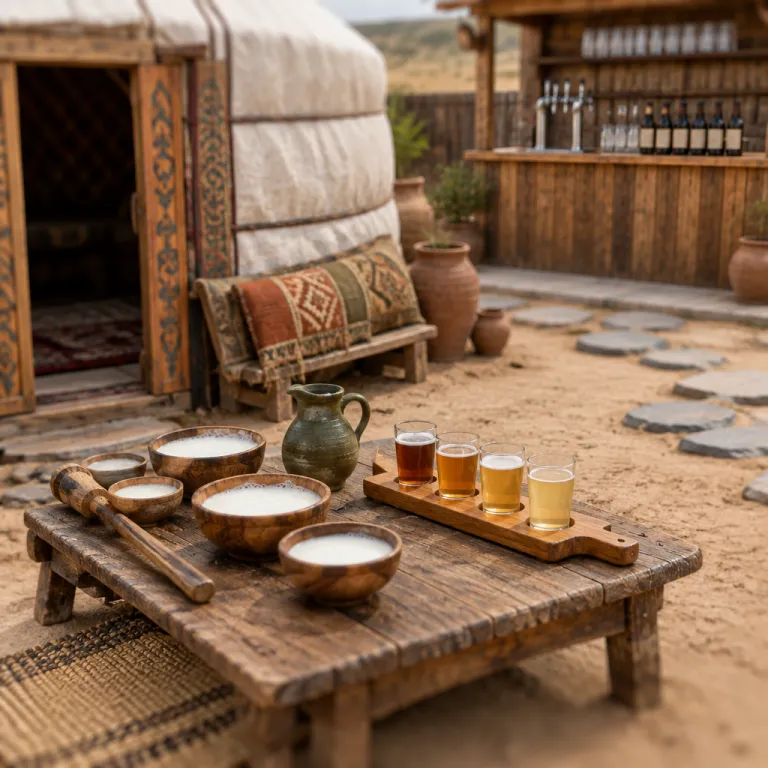
Why mongolian drinks and airag belong in every luxury itinerary
Luxury travelers often plan Mongolia journeys around landscapes and lodges, not glasses and bowls. Yet Mongolian drinks, especially airag, shape how people connect with hosts, read the steppe and remember each night. Treating every drink as part of the journey turns a comfortable stay into a genuinely Central Asian immersion.
Airag is fermented mare milk, a living fermented milk beverage whose bacteria transform sweetness into a lightly sour, sparkling taste. This traditional fermented mare process usually leaves the alcohol content between about 1.5 and 3 percent, according to studies from the Mongolian University of Life Sciences and food microbiology research by S. Tserenpuntsag and colleagues, which means drinking airag is more about refreshment and ritual than intoxication. When you accept this traditional drink in a ger, you are stepping into a social contract that most Mongolia travel guidebooks barely mention.
For couples planning time in Mongolia, timing matters as much as room category and view. The true airag season starts around mid June, when mares produce enough mare milk for families to begin churning, and continues through the warm months when horses graze on rich grass. Outside this time, you may still find fermented milk drinks in Ulaanbaatar, but the taste rarely matches what nomadic people pour straight from a leather khükhuur beside their horse line.
Thinking about Mongolian drinks and airag travel as a theme helps you choose where to sleep. Properties that work closely with herder families, such as high end ger camps in central Mongolia, can arrange visits where you watch mare milk being collected and see how fermented mare traditions fit daily herding routines. When you compare hotels, look for mentions of local food partnerships, not just imported vodka lists and international wine cellars.
Airag on the steppe: season, etiquette and emotional impact
The most powerful airag moments rarely happen in a hotel bar; they unfold when a herder waves you over as you ride past his horses. In central Mongolia, especially around Orkhon Valley and the grasslands west of Ulaanbaatar, families invite travelers into their gers with a bowl of this fermented milk before any talk of beds or food. Accepting the drink gracefully is as important as choosing the right luxury camp for the night.
Airag begins with mare milk poured into a leather bag and stirred hundreds of times, encouraging wild bacteria to work alongside starter cultures saved from previous seasons. Over days, the liquid becomes a gently alcoholic milk beverage with a tangy, almost citrus taste that feels both creamy and effervescent. Because the alcoholic content stays low, many people sip several bowls while still riding a horse back to camp, though you should always listen to your own limits.
Etiquette matters. When a host offers arkhi, the distilled milk vodka made from fermented mare or other fermented milk, you receive the silver bowl with your right hand and lightly flick a few drops to the sky, earth and fire before you drink. The same respect applies to salted milk tea, to plain water and to stronger drinks Mongolia serves during celebrations, because every liquid carries traditional meaning in this dry climate.
Sharing these drinks with a family changes the emotional register of travel in Mongolia in ways no spa treatment can match. You begin to understand why camel milk, horse milk and even sea buckthorn juice are not just refreshments but seasonal markers of time and weather. As one herder near Kharkhorin explained to a visiting ethnographer, “When the airag is strong and the buckthorn is ripe, we know the horses are ready for long journeys.” If you are already planning an eagle watching journey, pair it with a stay timed to the dairy season and read about how nomadic calendars shape travel in the high country on this guide to why October belongs on every eagle hunter itinerary.
From ger camps to lodges: where luxury meets fermented milk
Some of Mongolia’s most refined properties now treat drinks as seriously as design, especially when it comes to airag and other fermented milk traditions. Three Camel Lodge in the Gobi and several discreet ger camps in central Mongolia source mare milk, camel milk and cow milk directly from surrounding nomadic families. This approach keeps the taste authentic while turning every bowl into a quiet economic bridge between luxury travelers and herder people.
At these camps, staff often explain how fermented mare customs fit into daily herding life, from the first milking in mid June to the last churning before frost. You may watch a herder’s child stir the khükhuur, hear about the bacteria that give airag fermented its gentle fizz and then sit down to a dinner where milk tea, salted milk and fresh water are poured with the same care as imported wine. The result is a drinks Mongolia experience that feels rooted rather than staged.
Thoughtful lodges also play with milk vodka and grain based vodka, offering tasting flights that compare arkhi to Russian style spirits while keeping alcohol content information clear. Some mixologists infuse local buckthorn or sea buckthorn into cocktails, creating buckthorn juice spritzes that sit comfortably beside classic martinis. When you evaluate properties, ask whether their bar program highlights Mongolian drinks or defaults to anonymous international labels.
True eco luxury in Mongolia now means low impact architecture and high impact cultural respect. Properties that leave almost no trace on the land yet serve traditional milk beverage rituals show how sustainability and hospitality can align, a theme explored in depth in this feature on Mongolia’s best eco properties. When you book through mymongoliastay.com, prioritize stays where the drinks list reads like a map of the steppe rather than a duty free shelf.
Ulaanbaatar after dark: from milk tea to craft bars
Ulaanbaatar’s hospitality scene has moved far beyond hotel lobby lounges, and Mongolian drinks themed travel now includes serious city nights. In the capital, you can start with traditional milk tea in a quiet café, move to a contemporary restaurant pairing modern food with arkhi and finish in a craft bar pouring Mongolian beers. This progression mirrors the country itself, where Central Asian heritage and urban experimentation share the same table.
Craft brewers in Ulaanbaatar use modern equipment yet often reference fermented milk culture in their storytelling, even when the glass holds barley rather than mare milk. Visitors frequently ask, “Where can I try Mongolian craft beer?” and the most straightforward answer remains: “Craft bars in Ulaanbaatar, such as Hops & Rocks or MB Beer Plus.” These venues sit alongside cocktail bars that play with milk vodka, buckthorn juice and even clarified milk beverage techniques to reinterpret local ingredients.
Hotel bars still matter, especially for couples who prefer to end the night steps from their suite. The most interesting properties brief their bartenders on drinks Mongolia traditions, encouraging them to explain why salted milk tea appears at breakfast or how camel milk fits into desert diets. Others simply line up imported vodka and whisky, missing the chance to turn a pre dinner drink into a cultural primer.
As you compare luxury hotels on mymongoliastay.com, read beyond star ratings and spa menus. Look for mentions of collaborations with Mongolian nomads, seasonal airag tastings or guided walks through nearby grocery stores to see how everyday people buy water, tea and alcohol. A property that curates this kind of narrative about travel in Mongolia will usually care just as much about linen quality and service training.
How to taste Mongolia responsibly: health, timing and context
Approaching Mongolian drinks and airag with intention keeps the experience both memorable and comfortable. Fermented milk is safe for most visitors, but the live bacteria and lactose can challenge sensitive stomachs, especially when combined with rich food and altitude. Start with small sips of airag or other fermented mare drinks, then wait to see how your body responds before accepting a full bowl.
Hosts rarely talk about alcoholic content, because for them airag is closer to a refreshing milk beverage than to strong vodka. Remember that arkhi, the distilled milk vodka, carries much higher alcohol content than airag fermented or beer, so pace yourself when toasting with people in a ger. If you prefer to avoid alcohol entirely, say so clearly and ask for water, tea or sea buckthorn juice instead; Mongolian hospitality respects honest boundaries.
Seasonality shapes what you will taste. In early summer, especially from mid June, mare milk and horse milk dominate, while later in the year camel milk becomes more common in desert regions and salted milk tea anchors colder mornings. Outside rural areas, Ulaanbaatar’s grocery stores stock packaged drinks Mongolia wide, from bottled buckthorn juice to imported soft drinks, but these lack the immediacy of a bowl ladled straight from a khükhuur beside a horse.
For couples planning a high end itinerary, it helps to weave drinks into your booking decisions rather than treating them as an afterthought. Use this in depth guide to premium hotel booking in Mongolia to shortlist properties, then ask each one how they engage with traditional Mongolian drinks. When a hotel can speak fluently about airag, milk tea and the role of the horse in daily life, you have usually found a place where the liquid culture of travel in Mongolia is taken as seriously as thread counts.
FAQ
What is airag and how strong is it ?
Airag is fermented mare milk, a traditional Mongolian drink served especially in rural areas during the warm months. The fermentation process introduces beneficial bacteria and creates a lightly sour, fizzy taste with a gentle alcoholic content. Ethnographic and food science sources, including work published in the Journal of Ethnic Foods and studies by the Mongolian Academy of Sciences, generally place the alcohol content between about 1.5 and 3 percent, which makes airag closer to a refreshing fermented milk beverage than to strong spirits.
When is the best time to try authentic airag in Mongolia ?
The most authentic airag experiences align with the dairy season, when mares produce enough milk for families to ferment. This usually runs from mid June through the warmer months, matching the main tourism window for Mongolia. Outside this period, you may find bottled or frozen versions in Ulaanbaatar, but they rarely match the taste of fresh airag fermented beside a horse line.
Is it safe for visitors to drink airag and other fermented milk drinks ?
Most healthy travelers tolerate airag and other fermented milk beverages well, because the bacteria involved in fermentation can support digestion. However, people with lactose intolerance or sensitive stomachs should start with small amounts and see how they feel before drinking airag more freely. If you are unsure, ask your host for alternatives such as salted milk tea, plain water or sea buckthorn juice, all of which are widely available drinks Mongolia offers to guests.
Where can I explore modern Mongolian drinking culture in Ulaanbaatar ?
Ulaanbaatar has a growing craft beer and cocktail scene that complements traditional Mongolian drinks. Visitors often ask, “Where can I try Mongolian craft beer?” and the clearest answer is: “Craft bars in Ulaanbaatar, such as Hops & Rocks.” Many luxury hotels in central districts now collaborate with these venues or run their own bars that highlight local vodka, buckthorn infusions and milk beverage inspired cocktails.
How do drinks connect with luxury hotel choices in Mongolia ?
In Mongolia, the way a property handles drinks says a great deal about its relationship with local culture. High end ger camps and lodges that serve airag, milk tea, camel milk and arkhi sourced from nearby families usually have deeper ties to Mongolian nomads and the surrounding landscape. When booking, ask whether the hotel offers seasonal tastings, visits to herder households or guided walks through grocery stores, because these details often distinguish a standard stay from a truly immersive experience.
Sources
discovermongolia.mn; mongolia.worldplaces.me; S. Tserenpuntsag et al., “Traditional fermented mare milk (airag) in Mongolia,” Journal of Ethnic Foods; publications from the Mongolian University of Life Sciences and the Mongolian Academy of Sciences on fermented milk and rural dairy seasonality; official communications from Mongolian tourism and cultural heritage bodies.