Mongolia homestay ger experience for luxury-minded families
Why a mongolia homestay ger experience belongs on a luxury itinerary
Luxury travelers often arrive in Mongolia expecting polished lodges, heated tents and curated silence. A deeper Mongolia homestay ger experience with a nomadic family offers something rarer, because it trades predictable comfort for a direct line into traditional life on the steppe. For a premium family used to five star hotels, one or two days in a working family ger can recalibrate what hospitality, culture and nature really mean.
Across Mongolia roughly a third of the population still lives in a ger, according to the National Statistics Office of Mongolia 2020 population and housing data, so a nomadic homestay is not a staged attraction but an entry into real nomadic daily life. Your host will welcome you into a circular felt home that functions as kitchen, bedroom and living room, and you immediately feel how Mongolian culture is organized around the hearth rather than the hallway. Children notice quickly that nothing is left unused inside this traditional Mongolian space, while adults see how every object supports nomadic lifestyle and travel.
For families planning a broader itinerary, the most rewarding pattern is clear. Anchor your trip with a premium hotel in Ulaanbaatar or a luxury ger camp, then weave in a carefully arranged homestay to experience Mongolian traditions at close range. Travelers who combine a city stay, a high comfort camp and a nomadic homestay consistently report that this mix of Mongolian traditional hospitality and modern amenities creates the most memorable overall experience.
What actually happens during a night in a working family ger
A true Mongolia homestay ger experience follows the rhythm of herders rather than hotel check in times. You usually arrive in the late afternoon, when the nomadic family is bringing sheep and cows back toward the corral and preparing for the evening milking. Children in a visiting family often step straight into this daily life, helping to herd animals over the last few metres while the host watches with quiet amusement.
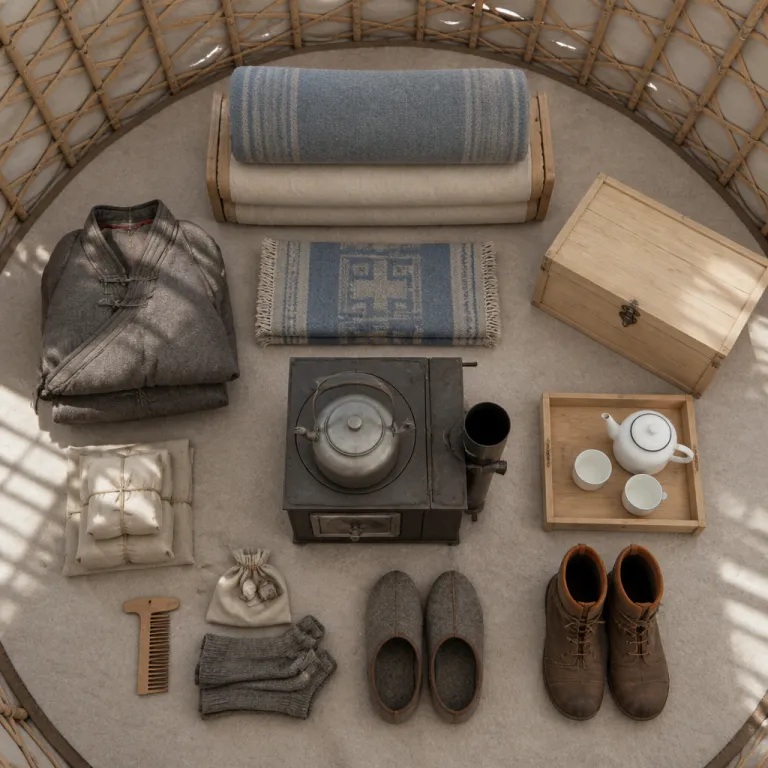
Inside the ger, your sleeping space is simple but carefully arranged, with mattresses or thick quilts laid on wooden beds or directly on the floor. There is no private bathroom, no running water and often only a single solar panel or car battery for light, yet the warmth of Mongolian family hospitality fills the room. Dinner might be a sequence of Mongolian dishes built around mutton, noodles and dairy products, and this is where you begin to experience Mongolian culture through taste rather than explanation.
After the meal, conversation flows slowly, sometimes through a guide, sometimes through gestures and shared tasks. Children drift outside to meet herder kids, to try bareback horseback riding on a calm horse or to race across the grass under a vast Mongolia sky. The next day morning starts early, because traditional life on the steppe follows the animals, and your family will be invited to watch or join milking, dung collecting and other elements of nomadic life before you travel onward toward your next hotel or luxury camp.
For families connecting this stay with a short high comfort escape from the capital, the long weekend expedition from Ulaanbaatar model works well, pairing urban ease with a tightly framed nomadic homestay. This balance keeps younger travelers engaged while still respecting the slower pace of traditional Mongolian routines. It also ensures that everyone returns to a hot shower and crisp sheets after their most intense cultural exchange.
Comfort gaps, cultural etiquette and what your hosts quietly expect
Even the most seasoned luxury traveler feels a jolt when stepping from a marble lobby into a smoke scented ger. The comfort gap is real, because a nomadic homestay offers shared latrines, limited electricity and water carried from a well rather than piped to a tap. Yet for many families this contrast becomes the core of the experience, precisely because it reveals how Mongolian nomads have shaped a resilient lifestyle around scarcity and space.
Understanding etiquette before you arrive helps everyone relax into the visit. You enter the ger with your right foot, move clockwise, avoid touching the central poles and never lean against the family shrine or sacred objects, which are central to Mongolian traditional beliefs. Our detailed guide to nomadic etiquette for travelers explains why small gestures, such as accepting offered dairy products with your right hand, signal respect for Mongolian culture and for the host family.
Local community based tourism guidelines often repeat three simple points for guests: respect local customs and etiquette, be prepared for basic facilities, and bring appropriate clothing for variable weather. These lines capture what your nomadic family will never say directly but absolutely feels. When guests arrive dressed for the weather, ready to share space and curious about traditional life, the cultural exchange deepens quickly and the homestay becomes less like a transaction and more like a shared day in a real nomadic household.
How to arrange a nomadic homestay without compromising ethics or comfort
Arranging a Mongolia homestay ger experience is no longer a matter of chance meetings on the steppe. Community based tourism networks and specialist tour operators now connect travelers with vetted nomadic families, ensuring that both sides understand expectations around payment, privacy and participation. For a premium family this structure matters, because it balances spontaneity with safety and allows you to feel free to engage without worrying about logistics.
Most programs work with local coordinators who live near clusters of Mongolian nomads and can match guests with a suitable family ger. They know which households are comfortable hosting children, which can handle dietary requests and which have enough space for several travelers without displacing the Mongolian family itself. When you book through a serious operator, a fair share of your payment reaches the host, often exceeding what they might earn from livestock over the same days.
Independent travel remains possible, especially if you speak some Mongolian or travel with a local driver who can introduce you to a nomadic family along the route. In that case, you agree compensation directly, usually a mix of cash and small gifts that respect traditional Mongolian norms without feeling patronizing. If you prefer to frame the homestay between more conventional stays, our guide to premium hotels in Mongolia helps you select properties where you can reset before and after your time in a working ger.
What children, parents and hosts actually gain from this shared time
From a child’s perspective, a Mongolia homestay ger experience feels like stepping into a live action story. They wake to the sound of cows lowing outside, watch a Mongolian family churn fresh dairy products and may even help shape dumplings for simple Mongolian dishes. These sensory details fix Mongolian culture in their memory far more vividly than any museum or city tour.
Parents often arrive focused on the lack of amenities but leave speaking about the emotional texture of nomadic life. They notice how the host family moves through daily life with an ease that comes from generations of traditional life on open land, and how children learn responsibility early by helping with animals and firewood. Many describe the stay as the moment when their own family began to experience Mongolian values of generosity, patience and quiet resilience rather than just observing them from a vehicle window.
For hosts, the benefits extend beyond cash income, although tourism revenue can meaningfully supplement what herders earn from livestock in a given season. Cultural exchange brings news, stories and sometimes lasting friendships, especially when guests return or send photos of shared days on the steppe. When handled thoughtfully, this meeting between real nomadic households and traveling families strengthens both sides, reminding everyone that luxury is not only about thread count but about the rare chance to share a roof, a fire and a slice of nomadic lifestyle under a wide Mongolia sky.
FAQ
What should I pack for a night in a herder’s ger ?
Pack warm layers, even in summer, because temperatures in Mongolia can drop sharply at night. A compact sleeping bag liner, personal hygiene items and a small towel add comfort without burdening your host. A headlamp or flashlight is essential, as lighting inside the ger often relies on a single bulb or candle.
Do I need to book a nomadic homestay in advance ?
Advance booking is strongly recommended, especially during peak travel months when more guests seek a Mongolia homestay ger experience. Organized programs coordinate with specific nomadic families, so they need notice to plan around herding duties. Last minute arrangements are sometimes possible through local drivers, but they are less predictable for a family with children.
Can vegetarian or special diets be accommodated during a homestay ?
Traditional Mongolian dishes rely heavily on meat and dairy products, so strict vegetarian or vegan diets can be challenging in a remote ger. Inform your operator and, if possible, the host family well in advance so they can adapt or so you can bring supplementary food. Flexibility helps, but clear communication protects both your health and the host’s sense of hospitality.
Is a nomadic homestay suitable for younger children ?
Families with school age children usually find a nomadic homestay rewarding, because kids can safely meet herder children, watch cows being milked and join gentle horseback riding under supervision. Very young children may struggle with the lack of private space, irregular meal times and basic facilities. If you travel with toddlers, consider a shorter visit during the day morning and return to a more comfortable hotel for the night.
How long should we stay with a nomadic family ?
One night offers a meaningful glimpse into daily life, from evening chores to sunrise milking, while two nights allow you to settle into the rhythm of nomadic life without overstaying. For most premium travelers, pairing one or two homestay days with several nights in higher comfort properties across Mongolia creates the right balance. Longer stays work best for those with specific interests, such as documenting Mongolian culture or studying traditional Mongolian herding practices.
Sources
National Statistics Office of Mongolia, 2020 Population and Housing Census tables; Mongolian Ministry of Tourism policy briefs; community based tourism guidelines from local Mongolian NGOs and regional tourism associations.