Why mongolia hotel architecture design now matters for luxury travelers
Mongolia hotel architecture design has entered a decisive moment for high end travel. A new generation of architects in Mongolia is asking whether a luxury hotel should echo the open steppe or the vertical city, and the most interesting buildings now manage to hold both ideas in tension. For business leisure guests extending a stay in Ulaanbaatar or the Gobi Desert, the architecture of a hotel is no longer background décor but a clear signal of values, comfort and cultural intelligence.
Across Mongolia, architecture is shifting from simple shelter to narrative, and the best hotel buildings now tell a story about nomadic history, climate and contemporary ambition. This is where mongolia architecture and interior design intersect with hospitality, as properties experiment with felt, timber and glass to translate traditional Mongolian forms into modern architecture design that still feels rooted in place. When you evaluate hotels in the city or in remote locations, you are effectively choosing which version of mongolian architecture you want to sleep inside.
In Ulaanbaatar, the skyline is changing quickly, and the Eco Tower in the central business district, future home of Conrad Ulaanbaatar, is a clear example of how international brands are entering the market with bold design concepts. This building will bring a polished global language of glass and steel into direct conversation with the low slung ger districts that still ring the city, making the contrast between vertical buildings and circular houses impossible to ignore. Out in the Gobi Desert, by contrast, the proving ground for new design projects is the wind carved plateau, where sand drift, extreme temperatures and silence force architects to rethink what a luxury hotel can be.
From ger to glass: how traditional mongolian forms shape new hotels
To understand mongolia hotel architecture design, you start with the ger, the traditional Mongolian house that still shelters around a third of the population. A Mongolian ger is a traditional portable dwelling used by nomadic Mongolians, and its circular plan, timber lattice and felt insulation are now being reinterpreted by architects working on high end lodges. The question for every architect is how far to move from this traditional architecture without losing the cultural and climatic intelligence embedded in its form.
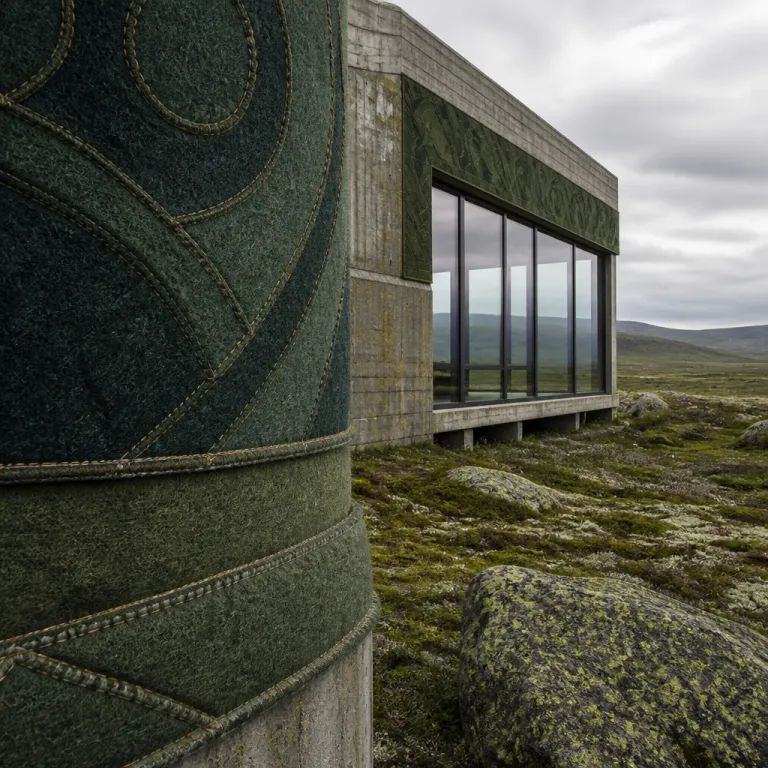
Modern lodges in Mongolia blend traditional ger designs with contemporary materials, and this hybrid approach is especially visible in properties near Ulaanbaatar and in national parks. Designers borrow the low profile and radial structure of the ger, then add high performance glazing, advanced insulation and discreet renewable energy systems to meet international comfort standards. When you browse refined experiences and unforgettable things to do in Mongolia, you will notice that the most compelling hotels use these architectural moves to frame the landscape rather than dominate it.
Architectural studios such as Ger Atelier and Rural Urban Framework work closely with local artisans to adapt traditional Mongolian joinery, which famously avoids nails, into modern building systems. Their design projects often use prefabricated elements to speed construction while keeping the circular geometry and central roof ring that define mongolian architecture in both singular and plural expressions. For travelers, this means you can now sleep in a structure that feels like a ger in spirit yet performs like a contemporary hotel building, with stable temperatures even when Ulaanbaatar swings from minus forty to plus thirty five degrees Celsius.
Inside the room: where interior design meets the steppe
The interior design of Mongolia’s new lodges is where mongolia hotel architecture design becomes personal, because this is the space you actually inhabit after the lobby photograph fades. In the best properties, interior designers translate the circular logic of the ger into layered textiles, low furniture and a clear visual centre, often marked by a fireplace or sculptural light that anchors the room. This creates a calm, legible space that feels both international and unmistakably Mongolian, especially when local wool, felt and carved timber are used as primary materials.
Thoughtful hotels now treat each room as a small museum of contemporary mongolian culture, with curated photo series, ceramics and textiles replacing generic prints. When this is done well, the room becomes a quiet museum building in miniature, where every object has a provenance and every texture relates back to the wider architecture mongolia story outside your window. A strong design concept will also manage daylight carefully, using deep reveals and filtered light to echo the soft glow inside a traditional Mongolian ger while still meeting modern expectations for workspace and relaxation.
For travelers curious about how the ger itself shapes luxury, it is worth reading a detailed guide to what a ger is and how it informs high end stays, because this context sharpens your eye for mongolia architecture details. Once you understand the structural logic of the ger, you start to notice how many hotels borrow its circular motifs in carpets, ceiling patterns and even bathroom layouts. The most successful interior designs feel like a respectful translation rather than a theme, allowing you to enjoy heated floors and high thread count linens without losing the sense that you are in a house shaped by the steppe.
City towers and desert camps: choosing your mongolia architecture experience
For business travelers landing in Ulaanbaatar, the first encounter with mongolia hotel architecture design usually happens in the city centre, where glass towers and low rise cultural buildings now compete for attention. The Eco Tower, future home of Conrad Ulaanbaatar, signals a new phase in which international architects bring global standards of sustainability, façade engineering and interior planning to Mongolia’s capital. This vertical city language contrasts sharply with the horizontal sprawl of ger districts on the hills, making every hotel choice a quiet statement about which Mongolia you want to engage with.
In the urban core, you will find hotels that lean into a cosmopolitan architecture design vocabulary, with double height lobbies, polished stone and expansive glazing that frames the city rather than the steppe. These buildings often sit near national institutions such as the main museum or drama theatre, turning a stay into an efficient base for cultural itineraries that include galleries, performances and meetings. When you plan luxury hotel reservations in Mongolia for an extended business trip, consider whether you want to be within walking distance of this cultural centre or prefer a quieter location south of the river with broader views.
Out in the Gobi Desert, the proving ground for new design projects looks very different, because sand drift, wind and isolation demand another architectural response. Here, architects experiment with low impact foundations, clustered ger inspired forms and careful orientation to manage solar gain and views, creating hotels that feel like small traditional Mongolian hamlets scattered across the plain. For guests, the choice between a city tower and a desert camp is not just about scenery but about which side of mongolia architecture you want to experience most intensely during your stay.
Reading the details: how to evaluate mongolia hotel architecture design when booking
When you scroll through hotel options in Mongolia, architecture and design are often reduced to a single hero photo, yet the reality behind that image matters for comfort and authenticity. Look closely at how the building sits in its landscape, whether in Ulaanbaatar’s dense city grid or in the open Gobi Desert, and ask if the massing respects views, wind and local settlement patterns. A thoughtful mongolia hotel architecture design will usually show low, stepped volumes in exposed locations and more vertical forms only where the urban context can absorb them.
Pay attention to materials, because they reveal how seriously a property takes both sustainability and cultural context. Hotels that use local stone, timber and felt in both exterior architecture and interior design are more likely to have engaged with Mongolian artisans and traditional architecture, rather than importing a generic international style. This does not mean rejecting glass and concrete, but rather balancing them with tactile finishes that reference mongolian architecture and the circular logic of the ger in subtle ways.
It is also worth reading how a hotel describes its design concept, including any collaboration with named architects or studios, because transparency here often signals deeper care. When a property credits an architect, explains its design projects and situates itself within the broader story of architecture mongolia, you gain a clearer sense of what you are buying beyond a room rate. As one design team notes in a project brief, “They blend traditional ger structures with contemporary materials and design principles.”
Beyond the façade: sustainability, community and the future of mongolia architecture
The most interesting mongolia hotel architecture design now goes beyond aesthetics to address climate, community and long term resilience, especially as urbanization accelerates. In Ulaanbaatar, where temperatures can swing from minus forty to plus thirty five degrees Celsius, advanced insulation, renewable energy systems and careful orientation are not luxuries but necessities. Hotels that invest in these systems often work with architects who understand both the technical and cultural dimensions of building in Mongolia, including the legacy of ger districts and the pressures of rapid growth.
Outside the capital, architecture mongolia is being reshaped by collaborations between international architects, local artisans and organizations such as Rural Urban Framework, which focuses on community oriented buildings. Their work, along with studios like Ger Atelier, shows how design projects can preserve nomadic heritage while improving comfort and durability for both residents and guests. This approach aligns with a wider revival of traditional Mongolian building techniques, where the ger becomes a proving ground for new structural systems rather than a relic.
For travelers, supporting hotels that engage with these questions is a way to participate in the next chapter of mongolia architecture without romanticizing the past. When you choose a property that respects local customs, invests in sustainable building technologies and treats its site as more than a backdrop, you help prove that luxury and responsibility can share the same roof ring. Over time, this will shape not only individual hotels but the broader architectural identity of Mongolia’s cities, deserts and mountain valleys.
FAQ
What is a Mongolian ger and why does it matter for hotel design ?
A Mongolian ger is a circular, portable dwelling used by nomadic families, built from a timber lattice frame, roof poles and thick felt insulation. Its efficient structure, minimal foundations and excellent thermal performance make it a powerful reference for mongolia hotel architecture design in harsh climates. Many modern lodges now reinterpret the ger’s geometry and materials to create comfortable, culturally grounded rooms for luxury travelers.
How are modern lodges in Mongolia designed ?
Modern lodges in Mongolia are typically designed as hybrids that blend traditional ger inspired forms with contemporary materials and building technologies. Architects use local stone, timber and felt alongside high performance glazing, advanced insulation and renewable energy systems to meet international comfort expectations. This approach allows hotels to express Mongolian identity while delivering the amenities and reliability that business and leisure guests expect.
Is there a focus on modernizing gers for permanent buildings ?
There is a strong focus on modernizing ger principles for more permanent buildings, both in hospitality and in community projects. Designers adapt the ger’s circular plan, modular structure and climate responsive envelope into fixed lodges, visitor centres and even urban housing prototypes. The goal is to preserve cultural heritage while improving durability, safety and year round comfort for residents and guests.
What should I look for when choosing between a city hotel and a desert camp ?
When choosing between a city hotel in Ulaanbaatar and a desert camp in the Gobi, start by clarifying whether you prioritize cultural access or landscape immersion. City hotels offer proximity to museums, theatres and business districts, often in glass and concrete towers with full service facilities. Desert camps provide quieter stays in ger inspired structures, with stronger connections to nomadic life, dark skies and the open steppe.
How can I respect local customs when staying in design focused hotels ?
Respecting local customs in design focused hotels begins with small gestures such as learning basic greetings, handling shared spaces with care and dressing modestly outside spa or pool areas. When visiting ger style structures or rural lodges, follow staff guidance on entering, seating and photography, especially around family altars or sacred objects. Engaging with hosts about the story behind the architecture and interior design also shows appreciation for the cultural work embedded in the building.