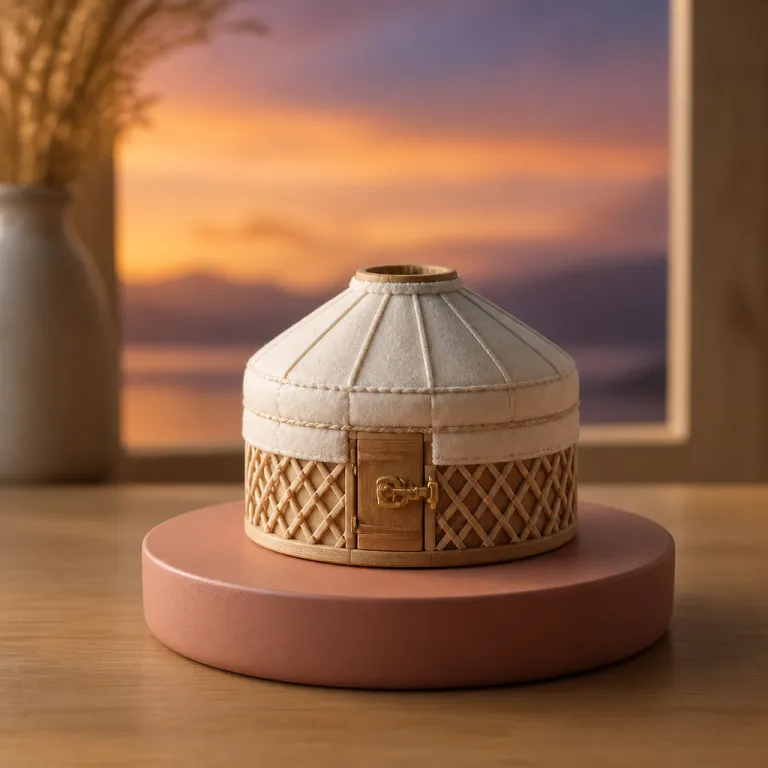
Why luxury travellers are choosing the Mongolian ger experience
High end travellers to Mongolia increasingly want nights in a ger alongside premium hotel comforts. They are drawn to the way a traditional Mongolian ger combines a circular wooden structure with thick felt layers, creating warmth and intimacy on the open steppe. For many people planning a luxury itinerary across Mongolia, the most memorable stay is not a marble lobby but a beautifully furnished Mongolian ger suite under a vast sky, where the only sound at night might be wind in the grass and the distant bark of a dog.
A ger is a portable, circular tent like structure used by Mongolian nomads, and this traditional dwelling now anchors many luxury camps that rival urban five star hotels. In hospitality terms, the ger or Mongolian yurt has become the signature room category for premium properties in the Gobi Desert, around Ulaanbaatar, and in central Mongolia’s lake regions. When you compare options, a city hotel is better for business and museums, while a stay in Mongolian gers excels at immersion in Mongolian culture and landscape, turning the accommodation itself into one of the trip’s core highlights.
For travellers used to classic suites, the idea of sleeping in yurts or a yurt tent can raise questions about comfort and privacy. Luxury operators answer this by enlarging the traditional yurt footprint, adding insulated floors, private bathrooms, and high thread count linens while preserving the circular roof and central crown. This balance allows Mongolian people to share their heritage authentically, and it lets international guests enjoy the romance of a tent without sacrificing heating, Wi Fi, or gourmet dining; as one guest at Three Camel Lodge in the Gobi Desert put it in a 2023 testimonial, “I woke up to sunrise over the dunes, but my bed felt like a boutique hotel in Paris.”
Inside a luxury ger: structure, comfort, and cultural detail
Understanding what waits inside a ger helps you choose the right level of luxury for your trip. A traditional Mongolian ger starts with a collapsible wooden lattice wall, roof poles that radiate into a central crown, and layers of sheep wool felt that insulate the structure against extreme temperatures; the World Bank’s Mongolia Ulaanbaatar Clean Air Project (2019, p. 4) notes that roughly 30 % of the national population still lives in gers, so this design is tested daily in real conditions rather than just recreated for tourists. Premium camps retain this core design yet refine every element, so your Mongolian ger suite feels both traditional and indulgent.
In most high end Mongolian gers, the wooden door faces south, following traditional Mongolian custom that maximises light and avoids prevailing winds. Once you step through the door, you enter a circular place organised along clear cultural lines, with the family altar or decorative chest opposite the entrance and the honoured guest bed on the side of the ger that faces north. Luxury properties echo this layout while replacing simple bedframes with king size mattresses, soft rugs over the felt floor, and designer lighting that highlights the elegant roof poles above, often painted in vivid orange and turquoise patterns.
Guests often remark that the most striking feature inside a ger is the view upward through the crown, where the roof opens to the sky in clear weather or is covered with a felt flap in colder times of the year. This architectural detail, shared by every Mongolian yurt and yurt ger, creates a sense of vertical space that feels almost cathedral like despite the modest tent diameter. For a deeper look at how five star comfort meets the steppe, many travellers consult a dedicated guide to luxury stays across the Mongolian steppes before finalising their bookings, using it to compare how different camps interpret the same circular structure.
From nomadic life to premium stays: how gers shape Mongolian highlights
The ger sits at the heart of Mongolian culture, and the World Bank’s Mongolia Ulaanbaatar Clean Air Project (2019, p. 4) estimates that about 30 % of residents nationwide live in gers, which underlines how current this dwelling remains. This continuity means that when you stay in a Mongolian ger at a luxury camp, you are not entering a staged attraction but a living tradition shared by Mongolian people across both rural areas and urban ger districts. For travellers seeking authentic Mongolian highlights, nights in yurts often become the emotional centre of the journey, remembered as clearly as visits to monasteries or the Gobi Desert.
Historically, the Mongolian yurt evolved across Central Asia to support a nomadic lifestyle that required mobility, comfort, and resilience in harsh climates. The circular tent structure, with its low profile and aerodynamic roof, withstands steppe winds, while the thick felt made from sheep wool keeps the inside ger warm in winter and cool in summer; building physics research on wool based insulation, such as studies summarised by the International Wool Textile Organisation in 2020, highlights its ability to regulate humidity and temperature naturally. These same qualities now appeal to eco conscious luxury guests, because a well built yurt tent uses local materials and can be dismantled without scarring the land.
Modern hospitality has adapted the traditional Mongolian ger for new contexts, including high end lodges near Ulaanbaatar and remote camps in the Gobi Desert. Innovation focuses on adding discreet bathrooms, solar power, and refined interiors while keeping the wooden frame and felt layers intact, a shift explored in depth in analyses of off grid power for remote Mongolian lodges by the Asian Development Bank’s 2018 renewable energy reports. This evolution shows how a central Asian dwelling can move from pure necessity to aspirational travel experience without losing its soul, and why many tour operators now build itineraries around at least one multi night ger stay.
Choosing where to stay: ger camps, luxury hotels, and hybrid itineraries
Planning a premium trip to Mongolia usually means combining nights in city hotels with a stay in gers at one or more countryside camps. Ulaanbaatar, located in central Mongolia at approximately 47.8864 ° N and 106.9057 ° E according to widely used geographic datasets, offers international brand properties with full service spas, while the surrounding steppe and Gobi Desert host intimate camps where every tent is a refined Mongolian yurt. The most rewarding itineraries balance these options so that your family will enjoy both urban comforts and the quiet of the open steppe.
When comparing ger Mongolian camps, look closely at how each property interprets the traditional yurt structure and what level of privacy it offers. Some camps cluster yurts closely, recreating the feeling of a nomadic community, while others space each yurt ger widely so that every place feels secluded and the only roof you see beyond your own is the sky. For travellers who value silence and horizon views, a side of the ger that opens toward empty grassland rather than the dining tent can make a significant difference, especially at sunrise when light pours through the open door.
Hybrid itineraries also allow you to tailor the cultural depth of your stay in Mongolian gers. One night might focus on etiquette, such as how people should avoid leaning on support columns or stepping on the door threshold, while another emphasises stargazing through the central crown after the felt roof flap is drawn back. For step by step planning advice, many guests rely on specialised resources about how to book a luxury resort in Mongolia that explain the differences between urban suites and high end yurt tent camps, and suggest how many nights to spend in each environment.
What to expect inside a ger: etiquette, layout, and seasonal comfort
Life inside a ger follows patterns that reflect centuries of traditional Mongolian practice, and understanding them enriches any luxury stay. The central area beneath the roof crown is usually kept clear, with beds and chests arranged around the side of the ger to maintain balance and circulation. Guests are often invited to sit on the honoured side, but they should remember two key rules shared by hosts across Mongolia : "Respect ger etiquette" and "Avoid leaning on support columns", because these supports are both structural and symbolic.
From a comfort perspective, the combination of wooden lattice walls, roof poles, and thick felt means that a Mongolian ger performs surprisingly well across different times of the year. In colder seasons, a stove placed in the central area sends heat up toward the roof, and the felt layers trap warmth so effectively that many people sleep comfortably with minimal additional heating, a point echoed in field reports by the United Nations Development Programme on rural housing in Mongolia. During warmer months, the door and roof opening can be adjusted to create airflow, turning the tent structure into a naturally ventilated suite that feels cooler than many concrete buildings.
Luxury camps refine these principles with modern amenities while keeping the essence of the traditional yurt intact. You might find underfloor insulation over the felt, high quality textiles made from sheep wool, and carefully positioned windows that frame the Gobi Desert or mountain views without compromising the circular form. For families, the layout inside a ger often allows parents and children to share one large space, reinforcing a sense of togetherness that many Mongolian people value deeply and that many visiting families describe as a rare chance to slow down together.
How luxury ger stays support Mongolian people and sustainable travel
Choosing a premium stay in a Mongolian ger can directly support local families and preserve nomadic knowledge. Many camps partner with Mongolian nomads who supply felt, wooden components, and cultural guidance, ensuring that the structure of each yurt reflects traditional Mongolian standards rather than generic tent designs. This collaboration helps sustain skills such as crafting roof poles, carving a wooden door, and layering sheep wool felt for maximum insulation, skills that are often passed down within families rather than taught in formal schools.
The context for this collaboration is a nomadic lifestyle whose goals have always been mobility and comfort, with an expected impact of sustainable living across the steppe. When luxury operators respect these principles, a ger Mongolian camp can minimise permanent infrastructure, allowing the place to be restored to grassland when the season ends. This low impact approach aligns with the broader central Asian tradition of portable dwellings, where a yurt tent or yurt ger can be dismantled and moved without leaving concrete foundations behind, reducing long term pressure on fragile ecosystems.
For travellers concerned about authenticity, it helps to remember that Mongolian nomads remain the primary inhabitants of gers, while tourists are visitors who experience ger stays for shorter periods. As one educational resource on nomadic life explains, "What is a ger?" and answers, "A traditional Mongolian portable dwelling." It continues with "How is a ger constructed?" and answers, "With a wooden frame and felt covering." and finally "Why do Mongolians use gers?" and answers, "For mobility and adaptation to harsh climates." — together these statements underline why the ger remains central to Mongolian culture and why staying in gers respectfully can be one of the most meaningful highlights of a luxury journey through Mongolia and Central Asia.
Key figures about Mongolian gers and luxury travel
- According to the World Bank’s Mongolia Ulaanbaatar Clean Air Project (2019, p. 4), around 30 % of Mongolians live in gers, a figure that shows the ger is not only a heritage symbol but a current, everyday home for a large share of the population and a living architectural tradition.
- The city of Ulaanbaatar, located at approximately 47.8864 ° N and 106.9057 ° E in central Mongolia according to standard cartographic sources, concentrates both modern high rise hotels and extensive urban ger districts, giving travellers access to luxury suites and traditional dwellings within the same metropolitan area.
- The timeline of ger use stretches from early forms more than 3000 years ago through the Mongol Empire era to the present, illustrating how the same basic wooden and felt structure has adapted to changing political and economic contexts without losing its core design.
- Luxury ger camps increasingly integrate solar panels and off grid systems, reducing diesel generator use and lowering emissions compared with conventional remote lodges that rely solely on fossil fuel power, a trend highlighted in sustainability reports on Mongolian tourism by the Asian Development Bank and Mongolia’s Ministry of Environment and Tourism.
FAQ about staying in a Mongolian ger
What is a Mongolian ger and how does it differ from other yurts ?
A Mongolian ger is a circular, portable dwelling made from a wooden lattice wall, roof poles, and thick felt insulation, designed specifically for the climate and winds of Mongolia. While the term yurt is often used broadly across Central Asia, the Mongolian yurt has a distinctive low profile, a south facing door, and a central crown that can be opened or closed with a felt flap. Luxury camps use this traditional structure as the basis for high comfort suites, adding bathrooms and refined interiors while keeping the core design intact so that the space still feels recognisably Mongolian.
Is a luxury ger comfortable in different seasons ?
The felt layers and compact structure of a traditional yurt make it highly efficient in both cold and warm conditions. In winter, a central stove heats the inside ger quickly, and the sheep wool felt retains warmth so that temperatures remain comfortable even when it is far below freezing outside, a performance confirmed by energy efficiency studies on wool based insulation summarised by the International Wool Textile Organisation in 2020. In summer, adjustable roof openings and the door create cross ventilation, and many luxury camps add extra insulation and fans to keep the tent cool during the hottest times of the year.
What etiquette should guests follow inside a ger ?
Guests should avoid stepping on the threshold of the wooden door, as this is considered disrespectful in Mongolian culture. People are also expected not to lean on the central support columns or roof poles, both for safety and symbolic reasons, because these elements hold the structure together. It is polite to accept offerings such as tea with both hands and to move clockwise inside the ger when possible, following the flow used by many Mongolian families and observed by cultural researchers documenting daily life.
How do luxury ger camps support local communities ?
Many high end camps source their felt, wooden components, and interior textiles from Mongolian artisans and nomadic families, creating direct economic benefits. They often employ local staff who share stories about traditional Mongolian life, explain how a yurt tent is assembled, and guide guests through nearby landscapes such as the Gobi Desert. This approach helps preserve skills related to ger construction and ensures that tourism revenue stays within Mongolian communities, a priority frequently mentioned in national tourism strategy documents.
Can families with children comfortably stay in Mongolian gers ?
Families often find that the open plan layout inside a ger suits them well, because parents and children share one circular space rather than being separated into different rooms. Luxury camps typically configure beds along the side of the ger, leaving a clear central area for movement and play, and they can add extra beds or cribs on request. The combination of sturdy structure, warm felt insulation, and close proximity between family members creates a secure environment that many children remember fondly long after the trip, especially when evenings end with stories around the central stove.