What is a ger and why it matters for luxury stays
To understand what is a ger, picture a round, low tent standing alone on the steppe, its white felt walls bright against the grassland. This portable home is the core of traditional Mongolian life and it now shapes how premium hotels and refined ger camps design their most authentic suites. A ger is not just a shelter; it is a complete living system that lets nomadic people move with their herds across Mongolia and wider Central Asia.
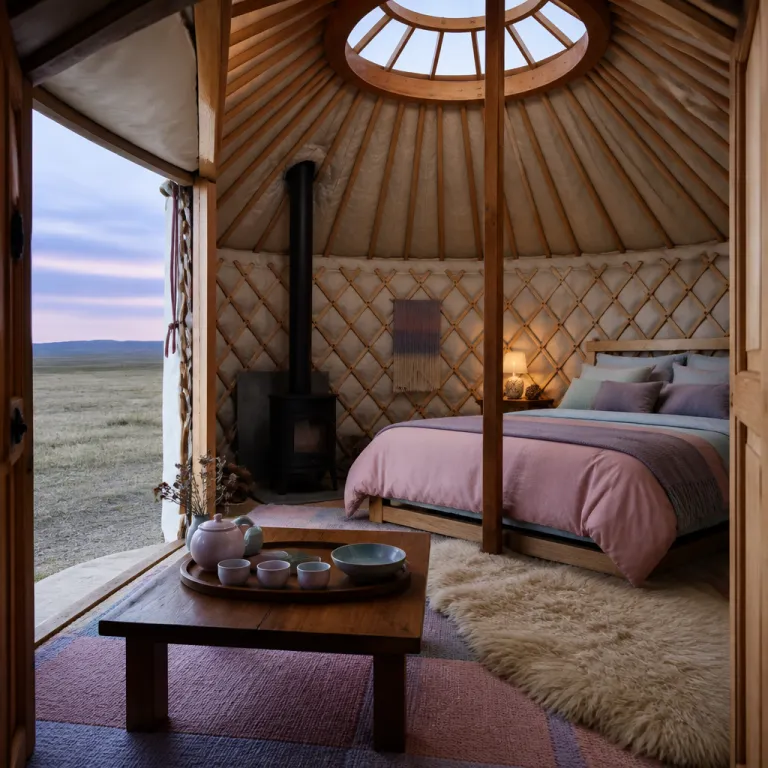
By definition, a ger is a wooden lattice frame covered with thick layers of felt and canvas. This structure creates a strong central ring that supports the roof poles and gives the Mongolian ger its elegant circular form, which luxury operators now reinterpret with high thread count linens, private bathrooms, and curated amenities. When you book a high end stay in Mongolia, you are often choosing between a classic hotel room and a refined Mongolian yurt style suite that respects this traditional Mongolian architecture.
For many travelers planning Mongolia travel, the key question is what Mongolian accommodation will feel both comfortable and culturally meaningful. According to the National Statistics Office of Mongolia’s 2020 Population and Housing Census, around 30 % of Mongolian people still live in gers, so staying in one connects you directly with living culture rather than a staged attraction. When you sleep inside a ger, even a luxurious tourist ger, you share the same circular space, central stove, and felt lined walls that support the daily life of a nomadic family on the steppe.
Inside a ger: structure, comfort, and what to expect
Step inside a ger and you immediately notice the circular geometry and the open central space. The low door faces south, the painted wooden columns hold the roof ring, and the felt layers create a soft, insulating shell that keeps the interior surprisingly warm in winter and cool in summer. Luxury ger Mongolian camps keep this structure intact while adding polished wooden floors, designer textiles, and high quality bedding.
The traditional layout of Mongolian gers follows clear rules that many premium ger camps still respect. The central area around the stove remains open, beds line the side ger sections, and a place of honor is kept opposite the door, which some luxury operators turn into a refined lounge or writing desk. When you book a stay in a Mongolian yurt style suite through a premium platform, you should check how faithfully the camp preserves this inside ger layout, because it strongly influences the atmosphere.
Construction methods also matter for comfort, especially for guests new to nomadic travel. A traditional Mongolian ger uses hand crafted wooden frames, thick felt made from sheep wool, and outer canvas, while some modern camps add extra insulation or soundproofing. As one camp manager in central Mongolia explains in internal training materials, “We keep the same wooden frame my grandparents used, but we add discreet insulation under the floor so guests sleep warmly without losing the feeling of a real family ger.” If you want an in depth look at refined ger camps on the steppe before booking, explore a detailed guide to staying in a Mongolian yurt in Mongolia, which explains how high end operators balance authenticity and comfort.
From nomadic family home to premium ger camps
The ger began as the mobile home of Mongolian nomads who needed to move quickly with their animals. Handcrafting the wooden frame, layering felt, and assembling the roof ring became a family and community activity that still continues in rural Mongolia today. This cultural practice has now inspired a new generation of ger camps that offer luxury stays while supporting nomadic family livelihoods.
When you book ger camps through a premium Mongolia travel platform, you are often staying on land used seasonally by a nomadic family. Some ger camp owners partner directly with Mongolian nomads, who manage livestock nearby and sometimes host guests in a side ger for tea, dairy tasting, or golden eagle demonstrations. These interactions turn a simple place to stay into a deeper exchange with Mongolian people, provided the camp manages group sizes and tours carefully.
High end tours Mongolia itineraries now weave together nights in refined ger camps with selected hotel stays in Ulaanbaatar or regional hubs. This mix lets you enjoy spa facilities and urban comfort before heading back to a ger camp in the Gobi Desert or the central steppe, where the night sky feels close enough to touch. For ideas on how to balance these experiences, look at curated lists of unforgettable things to do in Mongolia, which often combine cultural visits, nature excursions, and time in traditional Mongolian settings.
Ger districts, urban Mongolia, and how hotels fit in
To fully answer what is a ger, you also need to see how gers shape modern Mongolian cities. In Ulaanbaatar and other urban centers, large ger districts spread across surrounding hills, where families pitch Mongolian gers alongside small houses and containers. These areas show that the ger remains a living solution, not just a tourist symbol, and they influence how hotel developers think about space and climate.
Many residents in these ger districts choose to live in gers because the structure is affordable, portable, and well adapted to Mongolia’s harsh winters. The same felt insulation and low roof that protect a nomadic family on the steppe also help urban households manage extreme temperatures, even if infrastructure challenges remain. When luxury hotels and premium ger camps design their properties, they often borrow this compact, energy efficient logic while adding modern heating, bathrooms, and air filtration.
For travelers, understanding what Mongolian urban life looks like helps frame expectations for both hotels and camps. A polished lobby in the city and a refined tourist ger in the countryside are two ends of a spectrum shaped by the same traditional Mongolian dwelling. If you want to compare offers across this spectrum, use a specialist booking platform that highlights both high end hotels and ger camp stays, and consult their pages on luxury hotel deals in Mongolia and premium stays for discerning travelers featuring exclusive Mongolian hotel and ger offers.
Planning Mongolia travel: choosing between hotels, ger camps, and tours
When planning Mongolia travel, most visitors combine nights in city hotels with stays in ger camps. The choice depends on what you value most on a given night, whether that is spa access, fast Wi Fi, or the quiet crackle of a stove inside a ger. A thoughtful itinerary will match each place to stay with the landscape and activities around it.
In the Gobi Desert, for example, premium ger camps position each Mongolian ger to face dunes or rocky outcrops, giving every guest a private horizon. Some Mongolia tour operators arrange a side ger as a private lounge or massage space, while the main tourist ger serves as your bedroom with an en suite bathroom and upgraded furnishings. In central regions, near Ulaanbaatar or Karakorum, you might alternate between a city hotel and a ger camp that offers horse riding, visits to a nomadic family, and cultural performances.
Ask clear questions when booking, because not all camps offer the same level of comfort. Check how many gers are in the camp, whether the roof ring can be opened for stargazing, and how the camp manages heating and insulation with felt and modern materials. Clarify if your stay includes guided tours, such as meeting Mongolian people in nearby herding communities or watching a golden eagle demonstration, and whether these activities respect local customs and animal welfare.
Ethical, cultural, and environmental aspects of staying in a ger
Staying in a ger carries cultural responsibilities, because you are entering a space that has sheltered Mongolian nomads for centuries. The round shape, the central stove, and the careful placement of beds and chests all reflect values of balance, hospitality, and respect. When luxury operators adapt the Mongolian yurt for tourism, they need to keep these meanings intact rather than turning the structure into a theme room.
Eco friendly construction is one reason many sustainable travel specialists recommend ger camps over large concrete resorts in remote areas. Traditional materials such as wood and felt are renewable and relatively light on the land, especially when camps move seasonally like a nomadic family would. Some modern ger Mongolian camps experiment with solar power, low impact waste systems, and careful water use, which can significantly reduce the footprint of Mongolia tour itineraries.
Cultural respect also means listening to Mongolian people and experts who work with gers daily. As one local explanation, echoed in UNESCO discussions of nomadic pastoralism, puts it, “What is a ger? A portable, round tent used as a dwelling by Mongolian nomads.” When you choose a place to stay, favor operators who collaborate with local communities, support herder income, and limit the number of tourist gers so that the camp remains integrated into the landscape rather than overwhelming it.
Experiencing the ger across Mongolia’s regions and seasons
The meaning of what is a ger shifts subtly as you move across Mongolia’s varied landscapes. On the open steppe of central regions, a single Mongolian ger can stand alone for kilometers, its white felt walls catching the light under a vast sky. In the Gobi Desert, ger camps cluster near dunes, cliffs, or oases, giving travelers a comfortable base for camel rides and sunset walks.
In western Mongolia, some Mongolia travel programs include visits to eagle hunter families, where a golden eagle may perch near the entrance of a family ger. Here, the ger is both a home and a working base, with saddles, hunting gear, and food supplies stored inside gers alongside family heirlooms. Luxury operators sometimes arrange carefully managed visits where guests share tea in a side ger, leaving the main family space more private.
Season also shapes your experience inside a ger, especially in a climate as extreme as Central Asia. In winter, thick felt layers and a constantly burning stove make the interior warm and intimate, while in summer the roof ring can be opened for ventilation and stargazing. Whether you choose a city hotel, a refined tourist ger, or a mixed itinerary, understanding the ger as a living, adaptable structure will help you read every place you stay in Mongolia with more insight.
Key figures about gers and Mongolian stays
- Around 30 % of Mongolian people live in gers, according to the National Statistics Office of Mongolia, Population and Housing Census 2020, which means the ger remains a mainstream dwelling rather than a niche tradition.
- The city of Ulaanbaatar, located at approximately 47.8864° N and 106.9057° E in central Mongolia, hosts extensive ger districts that shape urban planning and energy policy.
- Ger construction typically combines a wooden frame with multiple layers of felt and an outer canvas, a method that has been refined over centuries to withstand strong winds and temperature swings of more than 40 °C between seasons.
- Tourism authorities and Mongolia’s Ministry of Environment and Tourism report steady growth in demand for ger camp stays in recent policy briefs, as eco friendly materials and authentic cultural experiences become key decision factors for high end travelers.
FAQ about gers and luxury stays in Mongolia
What is a ger in Mongolia?
A ger in Mongolia is a portable, round tent used as a dwelling by Mongolian nomads, built with a wooden frame, layers of felt, and an outer canvas. It is designed to be dismantled and moved quickly, which suits a nomadic lifestyle based on herding. Many ger camps now adapt this structure for comfortable tourist stays without losing its essential form.
How is a ger constructed for modern ger camps?
Modern ger camps still rely on the classic wooden lattice walls, roof poles, and central ring, but they often use improved felt and canvas for better insulation and durability. Inside, they may add wooden floors, private bathrooms, and hotel grade bedding to meet luxury expectations. The goal is to keep the traditional Mongolian silhouette while upgrading comfort and safety for guests.
Are gers still used as everyday homes in Mongolia?
Yes, gers are widely used as everyday homes, both in rural areas and in urban ger districts around cities such as Ulaanbaatar. Many families prefer to live in gers because they are adaptable, relatively affordable, and well suited to Mongolia’s climate. This ongoing use means that staying in a tourist ger connects you with a living tradition rather than a museum piece.
What should I expect when staying in a luxury ger camp?
In a luxury ger camp, you can expect a private Mongolian ger or Mongolian yurt style unit with comfortable beds, quality linens, and often an en suite bathroom. The inside ger layout usually keeps a central stove or heater, with furniture arranged around the circular walls to preserve the traditional feel. Many camps also offer guided tours, cultural activities with a nomadic family, and fine dining that highlights local ingredients.
How can I respect local customs when visiting a ger?
To respect local customs, avoid stepping on the threshold, move clockwise inside the ger, and do not lean on the central columns or point your feet at the family altar. Accept food or tea with both hands when offered, and ask before taking photographs of people or sacred objects. Choosing Mongolia tour operators who brief guests on etiquette and work closely with Mongolian people is one of the best ways to ensure a considerate stay.
References
- National Statistics Office of Mongolia, Population and Housing Census 2020
- Mongolian Ministry of Environment and Tourism, Tourism Statistics and Policy Briefs (latest available editions)
- UNESCO, reports on nomadic pastoralism and intangible cultural heritage in Central Asia