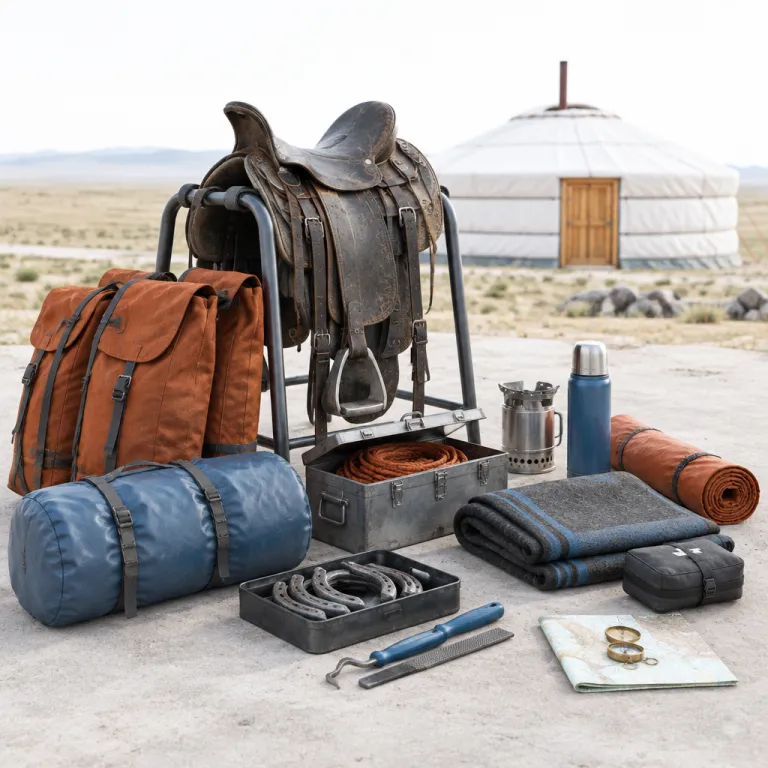
From Ulaanbaatar lobby to the first horse: how lodge to lodge really works
Your week of mongolia horse trekking lodge to lodge usually starts in Ulaanbaatar, not on the steppe. One moment you are in a premium city hotel lobby, the next you travel east toward the khentii mountains where the paved road ends and the horse takes over. This shift from polished marble to open grassland sets the tone for every day that follows.
Most high end tours arrange a seamless transfer from your Ulaanbaatar hotel, and the logistics included in a well designed tour will matter more than you expect once you ride out. A support vehicle shadows the group while you are riding, carrying luggage between ger camps so you can focus on the horse and the horizon. This is the quiet luxury of trek mongolia done properly, where comfort is present but never shouts.
On a typical first day you meet your mongolian horses near the tuul river or in the rolling foothills that lead toward the khentii mountain region. Guides match each rider with a suitable horse, then adjust tack and explain how these semi wild animals respond to voice and weight more than to constant rein contact. You will riding for several hours, but the pace is measured and the team watches closely to see how you settle into the saddle.
Even on a premium mongolia horse trekking lodge to lodge itinerary, the first camp feels intentionally simple. You will stay in a traditional mongolian ger camp, often with a central dining ger and separate sleeping gers spaced for privacy. Hot water may come from a basin rather than a marble bathroom, yet the linens are crisp, the stoves are efficient and the silence outside is the rarest luxury of all.
For travelers who like to plan every detail, the ability to customize tour elements is a key part of choosing the right operator. Some tours keep you close to Ulaanbaatar in the terelj national park area, while others push deeper toward khan khentii and the remote jalman meadows region. Both styles can be luxurious, but the further you trek mongolia style, the more the horse and the ger define what comfort means.
If you are pairing city nights with your horse trek, study a dedicated guide to premium city stays in Ulaanbaatar before you book. A resource like this Ulaanbaatar hotel Mongolia guide to premium city stays helps you choose a hotel that understands early departures, late returns and gear storage. That way your urban base supports the riding journey instead of fighting it.
The mongolian horse: small frame, big engine, different rules
Western riders often arrive expecting tall, responsive sport horses, then meet a compact mongolian horse with a thick neck and a watchful eye. These horses are semi wild herd animals that live outside year round, and their strength over long distances is the foundation of every serious horse trek. Respect that difference and your mongolia horse trekking lodge to lodge experience will feel far richer.
In the khentii mountains or along the tuul river, you will ride animals that are closer to partners than pets. Mongolian herders usually catch the horses for the group each morning, then help saddle them near camp while you finish breakfast. The guides will share quiet instructions on how to mount, how to sit and how to let the horse choose its footing over rough ground.
Expect the first riding day to feel more like learning a new language than repeating a familiar sport. A mongolian horse prefers a loose rein and clear, minimal aids, and constant kicking or pulling only confuses it. When you relax into the rhythm, the ride becomes smoother, and you start to understand why local families still rely on horses for daily travel.
Luxury operators soften the edges with better saddles, padded seat covers and carefully chosen horses. Some tours include shorter riding blocks with more breaks, while others design a longer horse trek for experienced riders who want to spend full days in the saddle. Ask clearly how many hours you will riding each day, and whether a support vehicle can pick you up if fatigue or weather changes the plan.
Because these horses live in herds, the energy of the group matters. When one horse spooks at a bird or a sudden gust, the others may react, which is why guides position less confident riders near the calmest animals. Over several days and nights you will see how the same horses settle, graze near camp and then carry you across new valleys the next morning.
For many travelers, the most powerful memory is not the hot shower back at a city hotel, but the moment a herder hands over the reins of a trusted horse. That exchange, repeated across tours and seasons, is where mongolian culture, hospitality and horsemanship meet. It is also where the line between luxury travel and traditional mongolian life becomes beautifully thin.
Life between ger camps: what each day and night really asks of you
A point to point mongolia horse trekking lodge to lodge journey is defined by rhythm rather than by fixed hotel amenities. You wake in a warm ger, share breakfast with your small group, then pack your duffel while the crew breaks down part of camp. By the time you swing into the saddle, the dining ger is already being loaded for the next valley.
On a typical day you might ride three to five hours before lunch, then another two to three hours in the afternoon. Lunch dinner is never rushed, whether it is a hot meal served from a field kitchen or a generous picnic laid out beside the tuul river. The best tours included thoughtful touches such as proper chairs, enamel mugs and shaded spots, small details that keep the focus on the landscape rather than on discomfort.
Afternoons often bring a change in terrain as you leave river flats for low passes in the khentii mountain region or the open jalman meadows. You will riding at a walk for most of the day, with short trots or canters only where the ground is safe and the group is ready. Guides watch the horses and the riders equally, adjusting the pace so that everyone can arrive at the next ger camp with energy left.
Once you reach camp you will stay in a private ger or occasionally in a shared one, depending on how you customize tour details at booking. Many ger camps now offer hot showers in a separate block, while some mobile camps provide hot water basins and thick towels instead. Either way, you change out of riding clothes, wash off the dust and step back into the communal dining ger as the light fades.
Dinner day by day becomes a quiet anchor, with hearty stews, salads and sometimes grilled meat, always accompanied by tea. Alcohol is usually limited, both out of respect for mongolian culture and because a clear head matters when you ride again the next morning. Around the stove you share stories with guides and local wranglers, learning how they trek mongolia for weeks at a time with only horses and a few support vehicles.
To understand why the ger itself is central to luxury in this context, it helps to read a deeper explanation of how nomadic architecture shapes comfort. A detailed guide such as what a ger is and how it shapes luxury stays in Mongolia shows why felt walls, a central stove and circular space matter more than thread count. When you spend nights moving from ger to ger, those design choices become part of your own routine.
Comfort, fitness and where luxury really shows up on the steppe
Before you book a mongolia horse trekking lodge to lodge itinerary, you need an honest look at your own fitness. Hours in the saddle use muscles that city gyms rarely reach, and even a gentle ride across jalman meadows can leave beginners stiff by the second day. The goal is not athletic heroism, but steady comfort that lets you enjoy every camp and every view.
For true beginners, the best tours included shorter riding days, more rest stops and the option to ride in a support vehicle when needed. Operators who specialize in luxury travel will often design a softer first day, then gradually extend the ride as your confidence grows. Ask in advance how many nights you will stay at each ger camp, and whether non riding activities such as walks along the tuul river or visits to local families are part of the plan.
Intermediate riders who are comfortable at walk and trot can usually handle a full week of horse riding between ger camps. You will riding across varied ground, from sandy riverbanks to the low ridges of the khentii mountains, so balance matters more than speed. Good operators match horses to ability, and they keep a close eye on how you and the horse communicate as the tour unfolds.
Advanced riders sometimes want to trek mongolia at a faster pace, but the reality of mixed ability groups and semi wild horses limits how often you can gallop. Luxury here is not about speed, but about the freedom to move safely through a vast national park or remote valley without worrying about logistics. When you can focus on the horse, the light and the line of the khentii mountain range ahead, the experience feels quietly extravagant.
Back at camp, comfort shows up in small, thoughtful ways rather than in opulent décor. A hot wash before dinner day, a well insulated ger on a cold night, and a thick mattress after six hours of riding will matter more than a minibar ever could. Over several nights you start to measure luxury in how deeply you sleep and how ready you feel to ride again at dawn.
Travelers who respect mongolian culture and the working life of local herders tend to have the richest journeys. Reading a guide to nomadic etiquette, such as this traveler’s guide to nomadic etiquette, helps you share space in a ger respectfully and accept hospitality with grace. That cultural fluency is as important as fitness when you spend nights moving from camp to camp.
Where to ride: regions, seasons and choosing the right style of journey
Not every region in mongolia suits a week long horse trek, and not every traveler wants the same balance of comfort and remoteness. For many first timers, terelj national park offers a gentle introduction, with rolling hills, forested valleys and relatively easy access back to Ulaanbaatar. You can ride between established ger camps, spend nights in comfortable beds and still feel the scale of the landscape.
Further east, the khentii mountains and the protected khan khentii area offer a wilder version of mongolia horse trekking lodge to lodge travel. Here the camps may be more mobile, the trails less defined and the sense of isolation much stronger. Tours included in this region often appeal to riders who already know they enjoy long days in the saddle and who want to ride where vehicles struggle to follow.
The jalman meadows region, near the upper tuul river, has become a quiet favorite for travelers who want both comfort and a sense of expedition. You will riding through open grassland, larch forest and river corridors, with ger camps positioned to catch the best light and the calmest views. Some operators allow you to customize tour details here, choosing between more riding days or extra time in camp to rest and explore on foot.
Season matters as much as region when you plan to trek mongolia from ger to ger. Late spring and early autumn usually offer cooler days, fewer insects and clearer skies, which makes long hours of horse riding more pleasant. High summer brings wildflowers and warmer nights in camp, but also more heat during the day, so a hat, hydration and lighter layers are essential.
Whatever route you choose, ask detailed questions about how many horses travel with the group, how often they rotate mounts and how the crew handles weather changes. A well run tour will share clear contingency plans, from shortening a ride on a stormy day to adding an extra night at a sheltered ger camp if river levels rise. That transparency is part of what separates true luxury operators from generic tours that simply string camps together on a map.
In the end, a week in the saddle between ger camps asks for your time, your attention and your willingness to trade hotel corridors for open steppe. It gives back something no vehicle based tour can match, which is the feeling of arriving at each camp by the same line your horse has chosen across the grass. For travelers who value that quiet, the horse becomes the most meaningful luxury in mongolia.
FAQ
How many hours will I ride each day on a lodge to lodge horse trek ?
Most mongolia horse trekking lodge to lodge itineraries involve four to seven hours of riding per day. Operators usually break this into two or three blocks with generous rest stops and a proper lunch. Beginners should ask for shorter days and confirm that a support vehicle is available if they need a break.
Can a beginner safely join a multi day horse trek in Mongolia ?
A reasonably fit beginner can join a carefully designed tour that uses calm horses and shorter riding days. You should take a few basic riding lessons at home first, then choose an operator that is honest about matching horses to ability. Clear communication about your experience level helps the team plan a route and pace that you can enjoy.
What level of comfort can I expect in ger camps on a luxury itinerary ?
On premium tours you will stay in well maintained ger camps with proper beds, warm bedding and efficient stoves. Some camps offer hot showers in a separate block, while mobile camps may provide hot water basins and high quality linens instead. Electricity is often limited, so you should bring power banks and enjoy the digital quiet.
What is usually included in the price of a lodge to lodge horse riding tour ?
Most high end tours included accommodation in ger camps, all meals from the first dinner day to the final breakfast, horses and tack, guides and ground transport from and back to Ulaanbaatar. Some also include national park fees and cultural visits to local families. International flights, travel insurance and personal riding gear are almost always extra.
Which regions are best for a first time week long horse trek in Mongolia ?
Terelj national park and the jalman meadows area along the tuul river are excellent choices for a first mongolia horse trekking lodge to lodge experience. Both regions offer varied but manageable terrain, reliable ger camps and relatively easy access from Ulaanbaatar. Riders seeking a wilder feel can then consider the khentii mountains and khan khentii for a future trip.