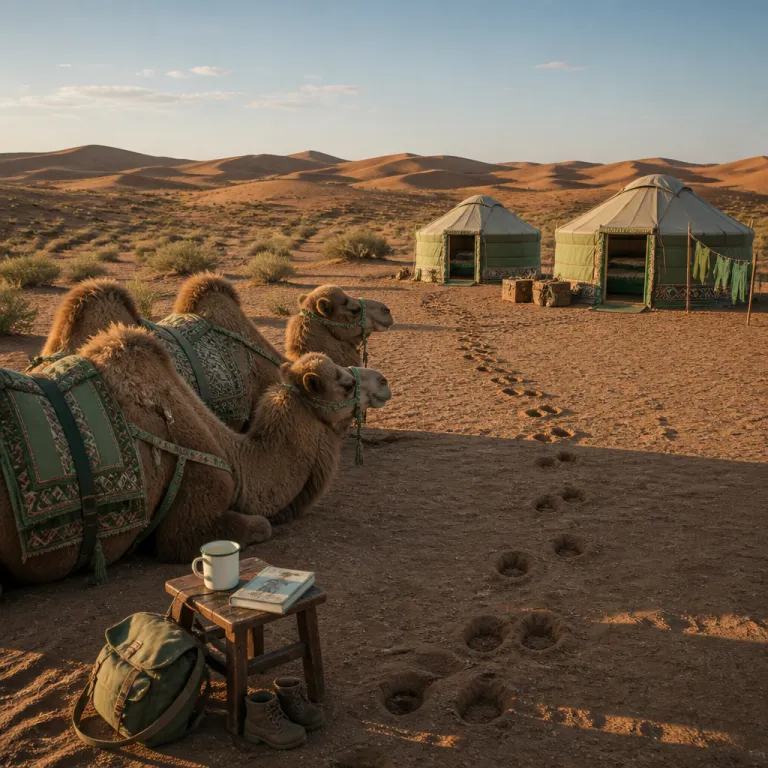
Why a Gobi Desert camel trek with family is worth the effort
A Gobi Desert camel trek family holiday looks idyllic in photos. The reality in Mongolia is harsher, more physical and, handled well, far more rewarding for both parents and children. You will remember the silence between the dunes long after the sand has gone from your bags.
In the Gobi, a camel is not a prop but transport, livelihood and personality, and that context shapes every family tour and every ger camp or hotel choice you make. The desert stretches for thousands of kilometres across Mongolia and China, yet your children will focus on one thing only: the gentle sway of camel riding and the way the light hits the sand dunes. A smart Mongolia tour for families balances that riding time with shaded rest, proper breakfast and lunch breaks and unhurried evenings in a comfortable ger camp.
Luxury in Mongolia Gobi travel is not marble lobbies but a well-sited ger with a view of the dunes and a hot shower after a dusty camel trek. From Ulaanbaatar you will likely fly to the desert, then drive across gravel plains to reach your ger camp for the first of several days. That first day sets the tone: children clock the distance between their ger and the dining ger, the taste of their first Mongolian dinner and the feel of the Bactrian camel saddle waiting outside.
Parents often ask whether a Gobi Desert camel trek family itinerary is really suitable for younger children. The answer is nuanced, because the Gobi is a true desert with heat, wind and long distances, yet the Bactrian camels here have a slower, more stable gait than the one-humped dromedaries used in other regions. With the right local guides, realistic riding times and a hotel or ger camp that understands nomadic families, the experience becomes challenging in the best possible way.
How old should your kids be for camel riding in the Gobi
Age is the single biggest factor in planning a Gobi Desert camel trek family adventure. Under six, most children in Mongolia ride a camel only when sharing a saddle with an adult and only on short, led walks near camp. From six to ten, many can ride camels solo on a lead rope, while teens can usually handle longer camel trekking days with more independence.
Think of a camel trek like a mountain hike: you would not start with a full-day ascent for a five-year-old, and the same logic applies in the Gobi Desert. A typical family tour Gobi itinerary offers a first short ride of thirty to forty-five minutes, then gradually extends to one or two hours of camel riding as confidence grows. The key is to match each day to the youngest rider’s stamina, not the parents’ ambitions.
Operators who specialise in Mongolia tour planning for families will usually outline clear age guidelines before you travel. Ask them to specify whether Bactrian camels are led on foot by a local herder, whether a support vehicle shadows the route and how often shade and water breaks are scheduled. The question “Is camel trekking safe for children?” is answered in official tourism guidance as follows: “Yes, with proper guidance and precautions.”
If your children have already tried horse riding, they will adapt faster to the rhythm of a Bactrian camel and to the open horizons of desert Mongolia. For a useful comparison of what long days in the saddle feel like for kids, read this field-based account of family riding on the steppe with a ten year old. Even with that experience, remember that mounting and dismounting a tall Bactrian camel is often the hardest part for smaller bodies.
Heat, logistics and choosing the right ger camp or hotel
The Gobi Desert is brutally honest about climate, and your Gobi Desert camel trek family plan must respect that. In July, daytime temperatures in parts of desert Mongolia can reach around 40 degrees Celsius according to data from the National Agency for Meteorology and Environmental Monitoring of Mongolia, which makes long midday rides unsafe for children and exhausting for adults. Most responsible operators schedule camel trekking only in the early morning and late afternoon, leaving the hottest hours for shaded rest at your ger camp or hotel.
When you compare properties in Mongolia Gobi regions, look beyond the marketing images of camels at sunset. A family-friendly ger camp should offer insulated gers, reliable ventilation, access to cool drinking water and flexible meal times for breakfast, lunch and dinner, because riding schedules often shift with the weather. Premium hotels in Ulaanbaatar can bookend your desert days with comfort, but it is the ger camp in the national park or near the dunes that will shape your children’s memories.
Three Camel Lodge, for example, is widely recognised for arranging camel expeditions to the Khongor Sand Dunes with varying intensity options for different ages and fitness levels, including half-day loops of 8–10 kilometres and shorter sunset rides of around one hour. That kind of nuance matters: a shorter sunset camel trek near camp can be magical for very young children, while older kids may relish a longer day tour that crosses several lines of sand dunes. When you browse curated lists of family luxury hotels in Mongolia, prioritise properties that explicitly mention child-focused desert experiences and clear safety protocols.
Logistics also include transfers between Ulaanbaatar, the Gobi and your chosen ger camp, because long, hot drives can drain enthusiasm before the first camel appears. A well-designed Mongolia tour will break the journey with short stops at local settlements or viewpoints, giving children space to stretch and parents time to recalibrate. The more thoughtfully your days are paced, the more energy everyone has left for the actual camel riding.
What camel trekking with kids really feels like, hour by hour
On a typical Gobi Desert camel trek family morning, you wake before the sun edges over the horizon. The air is cold enough that you reach for a fleece, yet you know that within two hours the desert will feel like a different planet. Children tumble out of the ger, half thrilled, half sleepy, scanning the dunes for their assigned Bactrian camel.
Breakfast is usually hearty and simple: eggs, bread, porridge, sometimes yoghurt from a nomadic family’s herd, always plenty of tea. While you eat, local guides saddle the camels and adjust the wooden frames that sit between the two humps of each Bactrian camel, creating a surprisingly secure seat for small riders. Parents often feel nervous at this point, but the camels themselves move with a slow, deliberate rhythm that calms most children within minutes.
The first hour of camel riding is usually quiet, broken only by the creak of leather and the soft pad of hooves on sand. You will notice how different the Gobi feels from the greener steppe near Ulaanbaatar: here the dunes roll like waves, and the light changes every few minutes. Children tend to focus on immediate sensations, such as the texture of the camel’s neck, the way the wind lifts sand and the distant shapes of other nomadic families’ gers.
After ninety minutes, attention spans wane and the heat builds, which is why a well-planned tour Gobi route includes regular shade stops. Guides often lead the camels to a low ridge or dry riverbed where everyone can dismount, drink water and snack before the final stretch back to ger camp. Parents feel the physical strain most in their hips and knees, while children usually bounce off the camels ready to run straight up the nearest dunes.
Culture, contact and what kids actually remember
Numbers help explain why a Gobi Desert camel trek family journey feels so deeply rooted in place. Mongolia is home to around 300,000 Bactrian camels according to figures published by the National Statistics Office of Mongolia, and many belong to nomadic families who still move seasonally across desert Mongolia. When you ride with a local herder, you are stepping briefly into that nomadic rhythm rather than joining a theme park queue.
Children rarely remember the exact name of a national park or the distance between Flaming Cliffs and Khongor Sand, but they remember people. They recall the nomadic family who invited them into a ger for salty milk tea, the herder who showed them how to tie a hobble on a restless camel and the cook who turned simple ingredients into a warming dinner. Parents, meanwhile, remember the logistics: how the hotel in Ulaanbaatar stored extra luggage, how the ger camp handled dietary quirks and how the guides responded when a child felt overwhelmed by the wind on the dunes.
Festivals can add another layer to this cultural immersion, especially if your Mongolia tour coincides with a regional camel festival. At these gatherings, Bactrian camels are dressed in bright harnesses, and local riders compete in races and games that showcase deep knowledge of the animals and the Gobi landscape. For families, a short, structured visit to such an event can be thrilling, but it should never replace quieter time with a single nomadic family where children can ask questions and move at their own pace.
What lingers longest after a camel trek is often the contrast between movement and stillness. One day you are swaying across sand dunes under a hard blue sky, the next you are sitting on a low stool in a ger, listening to stories about winter storms while sharing dinner with your hosts. That interplay between adventure and intimacy is where a Gobi Desert camel trek family holiday earns its place among truly formative travel experiences.
Planning, safety questions and how to choose the right operator
Choosing the right partner for a Gobi Desert camel trek family trip is as important as choosing the right hotel. Start by asking detailed questions about guide-to-child ratios, because one experienced local guide for every two or three children is far safer than a single guide leading a long string of camels. Clarify emergency protocols, including vehicle support, satellite communication and access to the nearest clinic or hospital.
Heat management should be non-negotiable in any desert Mongolia itinerary that involves children. Ask operators how they schedule rides to avoid the hottest part of the day, how much water they carry per person and where shade stops are planned along the camel trekking route. Spring and autumn offer milder temperatures for camel riding in the Gobi Desert, and official advice confirms this with the statement: “What is the best time for camel trekking in the Gobi? Spring and autumn offer milder temperatures.”
Comfort off the camel matters just as much as safety on it, especially on multi-day trips. Look for ger camps that provide clean shared or private bathrooms, hot showers, and hearty meals from breakfast through to dinner, because well-fed children cope better with long days outside. Some higher-end properties also offer massages or wellness treatments inspired by traditional practices; for a deeper sense of how such rituals fit into Mongolian life, read this piece on what a traditional Mongolian massage actually does.
Finally, be honest about your family’s limits and preferences. If your youngest child is anxious around large animals, consider a shorter camel trek combined with more time exploring Flaming Cliffs by vehicle or on foot, or visiting a national park where wildlife rather than camels is the focus. A well-briefed operator will tailor each day so that your Gobi Desert camel trek family story is one of challenge met, not endurance pushed too far.
Key figures for family camel trekking in the Gobi
- Mongolia has an estimated 300,000 Bactrian camels according to the National Statistics Office of Mongolia, which means families on a Mongolia tour are encountering one of the world’s largest populations of these two-humped animals in their natural desert habitat.
- Summer temperatures in parts of the Gobi Desert can reach around 40 degrees Celsius, based on records from the National Agency for Meteorology and Environmental Monitoring of Mongolia, so most family-friendly camel trekking itineraries limit riding to two to three hours per day in the cooler morning and late afternoon windows.
- On a typical Gobi Desert camel trek family programme, under six-year-olds ride only in front of an adult on led camels, while children aged six to ten often ride solo on a lead rope for thirty to sixty minutes at a time.
- Many ger camps in desert Mongolia operate with small capacities of 10 to 30 gers, which allows staff to maintain a high guide-to-guest ratio and to adapt camel trek routes quickly to changing weather or child energy levels.
- Government and industry data show a steady rise in family adventure travel to Mongolia, reflecting a broader global trend towards cultural immersion trips where camel riding, stays with nomadic families and visits to sites like Flaming Cliffs are central highlights.
FAQ about camel trekking in the Gobi with kids
Is camel trekking in the Gobi safe for children
With the right operator, camel trekking in the Gobi Desert is generally safe for children. Official guidance states clearly: “Is camel trekking safe for children? Yes, with proper guidance and precautions.” Families should choose tours that use calm Bactrian camels, provide helmets on request and maintain a low guide-to-child ratio, ideally one guide for every two or three young riders plus a support vehicle.
What is the best time of year for a family camel trek
Spring and autumn are the most comfortable seasons for a Gobi Desert camel trek family itinerary. Temperatures are milder than in high summer, which reduces heat stress for children and allows slightly longer riding windows. Winter treks are possible but far more demanding, and usually better suited to older teens and adults.
How long should a family camel ride last
For younger children, thirty to forty-five minutes of camel riding is usually enough for the first day. As confidence and comfort grow, rides can extend to one or two hours, ideally broken by shade and water stops. Multi-day camel trekking programmes for families often alternate longer and shorter days to avoid fatigue, for example a two-day loop with a 60–90 minute morning ride, a long lunch break with vehicle support on standby, and a gentler 45-minute sunset ride.
What should we pack for a Gobi camel trek with kids
Families should prepare for extreme temperatures by packing layered clothing, sun hats, high SPF sunscreen and lightweight scarves to protect against windblown sand. Refillable water bottles, lip balm, wet wipes and simple snacks help children cope with long days outdoors. Closed shoes, not sandals, are essential for safe mounting and dismounting of camels.
Can very young children join a Gobi camel trek
Very young children can usually join a Gobi Desert camel trek family trip if rides are kept short and always on led camels, with the child sharing a saddle with an adult. Many operators recommend that under six-year-olds stick to gentle sunset loops near ger camp rather than full-day tours. Alternatives such as vehicle-based visits to Flaming Cliffs or walks on low dunes can still give them a strong sense of the desert without long hours in the saddle.