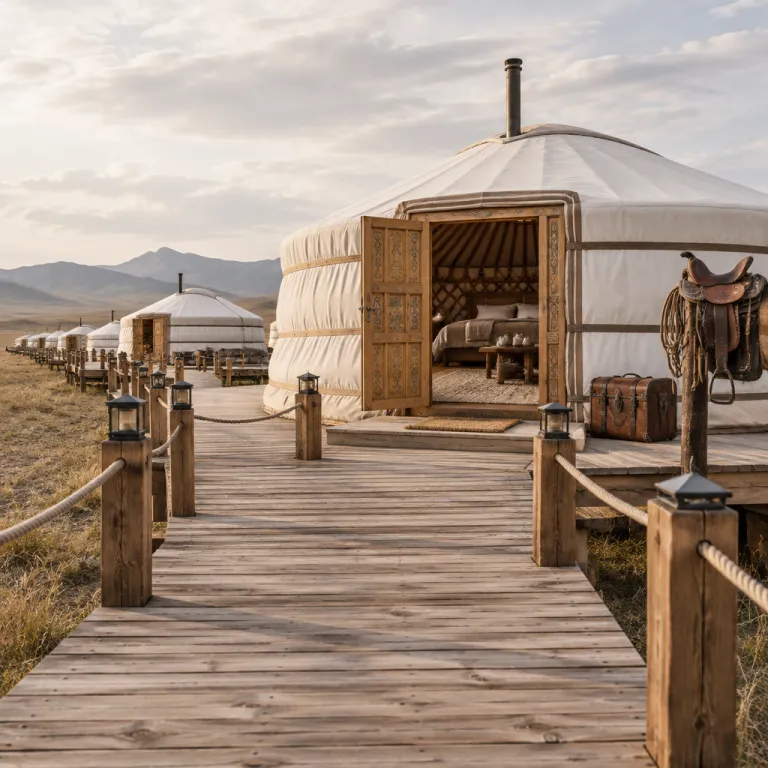
Luxury travel in Mongolia: premium stays and curated experiences
Mongolia tourism and the new luxury landscape
Mongolia tourism is evolving fast, and high end travelers now find refined comfort in places that once offered only basic guesthouses. In this vast country, luxury no longer means isolating yourself from the land and people; it means choosing hotels and premium ger camps that frame the steppe, the Gobi, and the capital city of Ulaanbaatar with thoughtful service and responsible design. When you plan a trip, the best experiences balance elegant rooms, expert local guides, and enough time to feel the rhythm of Mongolian life.
In the capital city, Ulaanbaatar concentrates most of the country’s luxury hotels, so many people start or end their trip here. The city offers polished properties near Sükhbaatar Square, where you can walk to museums, dine on modern Mongolian cuisine, and arrange private tours that connect urban culture with the surrounding national park landscapes. For many guests visiting Mongolia, a two or three night stay in Ulaanbaatar provides the best time window to adjust, finalize visa checks if needed, and meet your travel guide before heading into the countryside.
Beyond the city, high end travel in Mongolia now includes premium lodges in the Gorkhi Terelj National Park, the Orkhon Valley, and the Gobi Desert, each pairing comfort with strong sense of place. These stays often cost more MNT than mid range options, yet they include expert led tours, private car transfers, and curated things to do that reduce logistical stress during your journey. When you explore the country with this style of travel, you will notice how carefully managed tourism can support herder families, protect fragile ecosystems, and still give you the best access to Mongolia’s wild beauty; as one Ulaanbaatar based operator recently told a guest, “your stay in a well run ger camp keeps three or four local families on the land instead of in temporary city jobs.”
Planning a luxury trip across Mongolian highlights
Designing a premium trip across Mongolia starts with mapping distances, because this country is huge and roads can be rough. Many travelers underestimate the time needed to reach the Gobi or the western national park regions, so you should plan fewer places and longer stays, especially when booking high end hotels or ger camps. If you travel by private car with a driver, you will gain flexibility to stop in small Mongolian towns, follow tracks across the steppe, and still arrive at your next property before dark.
For Mongolia tourism focused on comfort, consider combining Ulaanbaatar, the Gobi Desert, and one green valley such as Khuvsgul Lake or the Orkhon area in a single trip. This mix lets people experience the capital city’s cultural life, the desert’s silence, and the forested north, while staying in carefully selected hotels and premium camps that understand international expectations. When you book, ask your travel guide or agency to specify drive times in hours, not only in kilometres, because road conditions and weather will strongly influence the best time to travel between regions.
Health and logistics matter on any journey through Mongolia, so do not neglect practicalities like travel insurance and visa rules. Many nationalities now benefit from visa free entry for short stays, yet you must always check the latest visa information with the Mongolian embassy or consulate before visiting the country. If your itinerary includes western Mongolia, stay informed about regional updates such as quarantine measures or movement restrictions, and consult resources like this detailed briefing on what a western Mongolia quarantine means for summer itineraries to adjust your plans without losing the essence of your trip.
Luxury stays in Ulaanbaatar and along the rails
Ulaanbaatar remains the main gateway for Mongolia tourism, and its luxury hotels set the tone for your journey. International chains and independent Mongolian properties cluster around the city center, offering spacious rooms, refined spas, and restaurants that reinterpret traditional dishes with seasonal ingredients. When you stay in the capital city before or after visiting Mongolia’s countryside, you will appreciate reliable hot water, professional concierges, and easy access to cultural things like opera performances or contemporary art galleries.
The city also serves as a hub for rail based travel, especially for guests arriving on the Trans Siberian or the branch often called the Trans Mongolian line. Some travelers combine a rail segment between Russia and China with a land based tour of Mongolia, using Ulaanbaatar as a base to explore nearby national park areas by car. If you plan to follow tracks across Siberia and Mongolia, build in at least two nights in the capital city to rest, adjust to the new time zone, and meet your travel guide for onward tours.
Luxury does not end in the city, because several high end ger camps now offer what could be called Mongolian tent elegance in remote valleys and desert fringes. These properties use traditional felt gers but add proper beds, fine linens, and en suite facilities, creating a refined ger stay that still feels rooted in nomadic culture; you can read more about this style of accommodation in this in depth feature on refined ger stays across Mongolia’s highlights. One recent guest described falling asleep to the sound of distant hooves and waking to coffee delivered to the door of the ger, calling it “the most peaceful luxury I have ever known.”
Gobi Desert, camel festivals, and high end desert lodges
The Gobi Desert is central to Mongolia tourism, and luxury travelers now have better options than ever before. High end lodges near the famous Khongoryn Els dunes and Yolyn Am gorge offer spacious gers or villas, gourmet meals, and private car excursions that let you explore without rushing. When you stay several nights in one area of the Gobi, you will have time to ride camels, hike canyons, and watch the light change across the desert without feeling that your trip is a checklist.
Some desert regions host a camel festival, usually in late winter or early spring, where local herders showcase racing skills and traditional games. If you plan a journey around such a festival held in the Gobi, book your accommodation early, because rooms and premium gers in the nearest city or town can sell out quickly. For many people, attending a camel festival is one of the best things to do in the country, yet you should not expect polished stadium style events; instead, you will see authentic community gatherings shaped by Mongolian customs and the desert climate.
When visiting Mongolia’s Gobi, think carefully about safety and comfort, because distances are long and services are sparse. Always travel with a reliable 4x4 car, carry extra water, and ensure your travel insurance covers off road tours and remote medical evacuation, especially if you follow tracks far from the main road. Many luxury lodges quote prices in both MNT and foreign currencies, so clarify what is included, from guided tours to meals, to avoid surprises and keep your focus on the desert’s quiet grandeur.
Festivals, seasons, and the best time for a luxury stay
Seasonality shapes Mongolia tourism more than in many other destinations, so timing your trip is crucial. The best time for most luxury travelers runs from late spring to early autumn, when countryside roads are passable, national park camps are open, and temperatures are comfortable for outdoor tours. Winter has its own stark beauty, yet people must be prepared for extreme cold, shorter daylight time, and a reduced choice of high end properties outside Ulaanbaatar.
The Naadam Festival is the country’s most famous event, with wrestling, horse racing, and archery competitions that attract visitors from around the world. In the capital city, Naadam is a large scale festival held in the main stadium, while smaller Mongolian towns host more intimate versions that some travelers find more authentic. If you plan to visit Mongolia during Naadam, you will need to secure hotel rooms and domestic flights months in advance, because demand from both locals and international visitors surges during this period.
Other festivals, such as regional eagle hunting gatherings or the already mentioned camel festival, can also shape the best time for your journey. When you design your itinerary, ask your travel guide or agency to align key dates with your preferred events, while still leaving space for unplanned things like a spontaneous visit to a herder family. Whatever season you choose, do not expect rigid schedules to hold in every part of the country, because weather, road conditions, and local customs often require flexibility and a sense of humor.
Practicalities: visas, flights, money, and on the ground movement
Before visiting Mongolia, you must confirm whether your nationality benefits from visa free entry or requires a visa obtained in advance. Rules change, so always consult the nearest Mongolian embassy or consulate, and allow enough time to gather documents, especially during peak travel seasons. Even if you are visa free, border officials may ask for proof of onward travel, accommodation bookings, and travel insurance that covers medical care in this sparsely populated country.
Most international travelers arrive in Ulaanbaatar by air, with carriers such as Turkish Airlines linking the capital city to hubs in Europe and Asia, and regional flights connecting from places like Hong Kong, Seoul, and Tokyo. When you plan your trip, consider building in a buffer night in the city at the start, because flight delays can ripple through domestic connections and pre booked tours. Some guests combine flights with rail segments on the Trans Siberian or the Mongolian branch of the Siberian railway, turning the journey itself into a highlight of their travel story.
On the ground, distances are vast, so a private car with a professional driver remains the most comfortable option for luxury travelers. Public transport exists between major city hubs, yet it rarely aligns with the flexible schedules and remote locations that high end guests prefer, especially when they want to follow tracks into less visited valleys or national park zones. When you budget in MNT or your home currency, remember that fuel, guide fees, and quality vehicles add to the cost of a journey across Mongolia, but they also protect your safety and allow you to reach the best places without stress; for curated offers that balance value and comfort, you can review these tailored luxury hotel deals and premium stays in Mongolia.
Key figures shaping Mongolia’s high end tourism
- According to the Mongolian Ministry of Environment and Tourism, international arrivals reached 1,005,300 visitors in 2023, marking a strong rebound in Mongolia tourism after previous global disruptions; readers can verify the latest year and exact figures in the ministry’s official statistics portal at met.gov.mn.
- Data from the World Travel & Tourism Council indicates that travel and tourism contributed 11.4 percent of Mongolia’s total GDP in 2019, underlining how each trip supports jobs in hotels, tours, and transport across the country; always refer to the WTTC’s most recent country profile for updated percentages and publication dates.
- Government statistics show that more than 70 percent of visitors spend at least one night in Ulaanbaatar—73.2 percent in the 2022 tourism statistics bulletin—confirming the capital city’s central role in itineraries that combine urban stays with Gobi Desert or national park experiences; exact proportions vary slightly by year, so check the latest bulletin for precise numbers.
- Surveys by the Asian Development Bank highlight that average daily spending by international tourists in Mongolia rose from about USD 70 in 2015 to roughly USD 95 in 2019, with higher growth in the premium segment, which increasingly seeks refined ger camps and upscale hotels; readers should review the newest ADB tourism sector assessments for detailed tables and survey dates.
- Railway authorities report that the Trans Mongolian section of the Trans Siberian route carried around 430,000 passengers in 2019, many of whom integrate rail journeys with overland tours and luxury stays in Mongolia; for exact passenger counts and the reference year, consult the latest annual report from the national railway operator at ubtz.mn.
FAQ about luxury and premium travel in Mongolia
What is the best time of year for a luxury trip to Mongolia ?
The best time for a luxury trip Mongolia is from late May to early October, when countryside roads are open and premium ger camps operate at full service levels. During this period, temperatures are milder, national park landscapes are accessible, and events like the Naadam Festival or regional camel festivals enrich Mongolia tourism. Winter travel is possible, especially in Ulaanbaatar, but requires more preparation and offers fewer high end options outside the city.
Do I need travel insurance and a visa to visit Mongolia ?
Most travelers should purchase comprehensive travel insurance that covers medical care, evacuation from remote areas, and trip interruptions, because Mongolia is a sparsely populated country with long distances between hospitals. Visa rules vary by nationality; some visitors enjoy visa free entry for short stays, while others must obtain a visa in advance from a Mongolian embassy or consulate. Always verify current requirements before visiting Mongolia, and carry printed copies of your policy, hotel confirmations, and onward tickets.
How do I move comfortably between Mongolian highlights like the Gobi Desert and Khuvsgul Lake ?
For comfort and flexibility, most luxury travelers use a combination of domestic flights and private car transfers with professional drivers. Distances between the Gobi Desert, Khuvsgul Lake, and the capital city are large, so overland travel alone can consume much time on a trip Mongolia. A good travel guide or agency will design tours that minimize backtracking, align flight schedules, and ensure you reach each hotel or ger camp before nightfall.
Is it possible to combine the Trans Siberian railway with a luxury stay in Mongolia ?
Yes, many guests ride the Trans Siberian or the Mongolian branch of the Siberian railway between Russia and China, then spend several nights in Ulaanbaatar and nearby national park areas. You can book premium cabins on the train, then transition to high end hotels or refined ger camps arranged by a local travel guide. This combination lets people follow tracks across Eurasia while still enjoying the best accommodation and curated tours that Mongolia tourism now offers.
What should I not expect from luxury travel in Mongolia ?
Even at the top end, you should not expect the same level of polish as in long established luxury destinations, especially outside the capital city. Service can be warm yet informal, Wi Fi may be slow in remote areas, and some things like dust, wind, or occasional power cuts are part of the reality of this country. If you accept these limits and focus on space, silence, and authentic Mongolian hospitality, your trip will feel richer and more memorable.