Section 1 – Staying in a Mongolian yurt on a luxury itinerary
A stay in a refined Mongolian yurt, or ger, turns a Mongolia trip into an immersive experience rather than a simple hotel night. In the high-end camps around Ulaanbaatar and the steppe, these traditional circular dwellings are reimagined with king beds, private bathrooms, and curated amenities. You sleep under a domed roof of wood and canvas while enjoying the comfort level of a premium boutique hotel room.
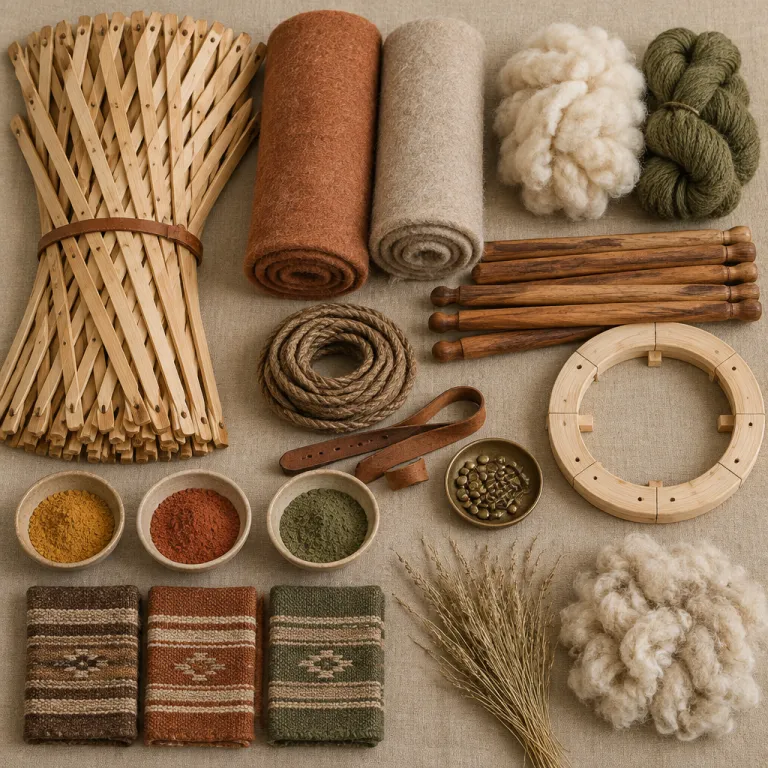
The classic Mongolian ger, also called a traditional yurt, is built from a collapsible wooden lattice, central support poles, and thick covered felt layers. Luxury camps retain this authentic architecture but add discreet insulation, modern felt lining, and water-resistant outer canvas to handle sudden mountain rain. Many properties arrange their gers in small clusters so families can book several units and still feel part of one shared space, with children running between doors while adults relax by the central fire.
Inside these Mongolian yurts, you usually find a central stove, polished wood floors, and soft light filtering through the roof crown. Some camps replace the original stove with underfloor heating, while others keep the stove for atmosphere and use hidden radiators for warmth. The result is a yurt tent that feels both traditional and contemporary, with thoughtful options for couples, solo travelers, and multi-generational family groups who want comfort without losing the sense of being on the steppe.
Section 2 – From Mongol Empire heritage to modern ger camps
The story of every Mongolian yurt begins with the nomads of Central Asia and the rise of the Mongol Empire. For centuries, gers allowed riders under Genghis Khan to move quickly across Mongolia while still carrying a comfortable home built from wood, felt, and canvas. Today’s luxury ger camps translate that mobile heritage into fixed sites near Mongolia’s most spectacular landscapes, often combining historical interpretation with modern hospitality standards.
In places like Kharkhorin, the former imperial capital, you can sleep in a traditional Mongolian ger within sight of Erdene Zuu Monastery. This setting connects the circular tent design to Buddhist architecture and to the wider spiritual history of Central Asian cultures. When you combine a night in such gers with a guided visit to monasteries that feel like “four walls in a land without fences”, the sense of place becomes unusually strong. Mongolia’s Buddhist monasteries pair beautifully with yurt stays for travelers seeking depth and a clearer understanding of how nomadic life and religion intersect.
Across Mongolia, premium camps now offer yurt ger suites with private decks, upgraded felt insulation, and water-resistant outer layers that outperform a standard bell tent. Properties such as Three Camel Lodge in the Gobi or boutique ger camps in the Orkhon Valley respect traditional Mongolian design while meeting the expectations of guests used to luxury hotels in other parts of Central Asia. When you compare options, look at each camp’s price range, the number of yurts, and how closely the interiors follow authentic Mongolian patterns and materials, from hand-painted furniture to locally woven textiles.
Section 3 – Key regions in Mongolia for high end yurt stays
Travelers booking a Mongolian yurt in Mongolia usually focus on three central highlights. The Gobi Desert, the Orkhon Valley, and Khuvsgul Lake each offer distinct landscapes, different styles of gers, and varied levels of luxury. Choosing between them depends on your priorities for scenery, comfort, and cultural immersion, as well as how much time you want to spend driving between regions.
In the Gobi, high-end camps position their yurts on low ridges with wide open views and extraordinary light at sunrise. The yurt tents here often use extra covered felt and reinforced canvas to handle desert winds, while interiors feature pale wood furniture and soft textiles that echo the surrounding dunes. Many properties in this region are featured in curated collections of refined ger stays across Mongolia’s highlights, which helps you compare product details before booking and decide whether you prefer a more intimate camp or a larger operation with extra services.
In central Mongolia’s Orkhon Valley, gers sit near rivers and volcanic cliffs, so the climate calls for stronger felt insulation and a reliable stove in each yurt. Around Khuvsgul Lake in the north, yurts and Mongolian gers are arranged among larch forests, and the water-resistant outer layers protect against sudden showers from the lake and cool evening breezes. Across these regions, you will find both single yurt options for couples and larger clusters of yurts for family groups, each with a different price range and service level, from simple full-board stays to all-inclusive packages with guided excursions.
Section 4 – What to expect inside a luxury Mongolian yurt
Step through the low door of a luxury Mongolian yurt and you enter a circular world of calm. The central space is usually organized around a painted wood table, with beds arranged symmetrically along the walls. Above you, the roof crown lets in a soft shaft of light that changes character throughout the day, from golden dawn to the cool blue of late evening.
High-end gers use layered covered felt and modern felt insulation to keep the interior warm at night and cool during the day. Many camps retain a traditional stove in the center, both as a practical heater and as a visual reminder of nomadic life in Central Asia. The canvas outer tent is often upgraded to a water-resistant technical fabric, which improves comfort without compromising the authentic Mongolian silhouette or the satisfying creak of wood in the wind.
Bathrooms vary by price range, from shared facilities a short walk from the yurts to fully private en suite setups hidden behind wood partitions. Some properties offer yurt ger suites with separate sleeping and lounge areas, ideal for a family that wants more space and a quiet corner for reading or games. When you compare options online, read the product descriptions carefully and check what is included in the base price before you mentally add extras to your own internal wish list, such as private guides, horseback riding, or spa-style treatments.
Section 5 – Booking strategies and price ranges for premium ger stays
Planning a stay in a Mongolian yurt through a luxury hotel booking website requires attention to detail. Mongolia’s short travel season means the best yurts and gers near major highlights often sell out months in advance. Flexible travelers who book early usually secure better locations, more attractive price ranges, and a wider choice of tent configurations, especially if they are coordinating several nights across different regions.
On specialized platforms, each yurt tent or Mongolian ger is listed as a separate product with clear photos, floor plans, and service descriptions. You should compare the base price with what is included, such as meals, guided excursions, and private transfers, before you commit to a reservation. As a broad guideline, luxury ger stays can start around mid-market hotel levels and rise to premium international rates at top camps, especially for larger family units or exclusive-use bookings during peak summer weeks.
Luxury-focused sites sometimes group yurts under seasonal promotions, especially for shoulder months such as May, early June, and September when the light is softer and crowds are thinner. These promotions can include upgrades to larger yurts, complimentary stove heating, or free transfers from the nearest airstrip. For travelers who value both comfort and cultural authenticity, curated collections of luxury hotel deals in Mongolia are often the most efficient way to navigate the many options and to match each camp’s style with your own expectations.
Section 6 – Comparing yurts, bell tents, and other tented options
Not every tented stay in Mongolia offers the same level of cultural depth or comfort. A traditional Mongolian yurt differs significantly from a bell tent or safari-style canvas structure, both in design and in performance. Understanding these differences helps you choose the right product for your itinerary and budget, particularly if you are traveling with children or older relatives.
A yurt or Mongolian ger uses a circular wooden lattice, central support posts, and a domed roof that sheds wind efficiently across the steppe. Thick layers of covered felt and modern felt insulation create a stable interior climate, which is essential in the continental conditions of Central Asia. By contrast, a bell tent relies mainly on canvas and guy ropes, so it usually needs extra heating equipment and offers less structural resilience in strong winds, especially during early-season cold snaps.
Luxury camps in Mongolia often combine several options, with classic gers for guests seeking authentic Mongolian experiences and a few canvas tents for travelers who prefer a lighter aesthetic. When you compare yurts and other tented offers, pay attention to materials, water-resistant ratings, and how the stove is vented through the roof. For most visitors, a well-built yurt ger with quality wood framing, strong canvas, and thoughtful delivery of services offers the best balance between traditional character and modern comfort, and often becomes the most memorable night of the trip.
Key figures on Mongolian yurts and luxury stays
- Industry estimates suggest that a large share of countryside accommodation capacity near major highlights is provided by ger camps using traditional yurt structures, which makes understanding yurt comfort levels essential for most itineraries, especially in regions with limited hotel infrastructure.
- Average summer night temperatures in central Mongolia can drop below 10 °C, so felt insulation and a reliable stove inside each Mongolian yurt are not decorative features but critical components of guest comfort, particularly in June and September.
- Travel surveys consistently indicate that travelers staying at least one night in a Mongolian ger report higher cultural satisfaction scores than those using only conventional hotels, especially in regions associated with the Mongol Empire and Genghis Khan.
- Premium ger camps near the Gobi Desert and Khuvsgul Lake typically operate for roughly four to five months each year, which concentrates demand and contributes to higher price ranges during peak weeks when occupancy can approach full capacity.
FAQ about luxury Mongolian yurt stays in Mongolia
Are Mongolian yurts warm enough for comfort focused travelers ?
Well-built Mongolian yurts use thick covered felt, modern felt insulation, and a central stove to maintain comfortable temperatures even when nights are cold. In luxury camps, staff usually manage the stove for you and may add discreet electric heating. This combination keeps interiors warm while preserving the traditional Mongolian atmosphere and the pleasure of watching the fire through the stove door.
What is the difference between a Mongolian ger and a standard tent ?
A Mongolian ger is a circular wooden structure with a domed roof, layered felt, and a central support system designed for the steppe climate. A standard tent, such as a bell tent, relies mainly on canvas and poles, with less insulation and structural rigidity. For most travelers in Mongolia, gers provide better weather protection and a more authentic cultural experience, especially when combined with local hosts and traditional meals.
How much does a night in a luxury yurt cost in Mongolia ?
The price range for a luxury Mongolian yurt in Mongolia usually starts around mid-market hotel levels and can rise to premium international rates at top camps. Costs depend on location, season, inclusions such as meals and excursions, and whether you book a standard yurt or a larger family ger. Early booking often secures better prices and more attractive options, particularly for peak dates in July and August.
Can families stay comfortably in Mongolian gers ?
Many ger camps offer family-friendly yurts with multiple beds, extra storage, and safe stove setups. Some properties arrange several yurts around a shared outdoor space so families can combine privacy with easy interaction. When booking, check maximum occupancy, bed configurations, and whether child-friendly services are included in the product description, such as flexible meal times or supervised activities.
How do I choose between different ger camps in Mongolia ?
Start by deciding which regions of Mongolia you want to visit, such as the Gobi, central valleys, or Khuvsgul Lake. Then compare ger camps by materials, water-resistant ratings, heating systems, and service levels, rather than by price alone. Reading detailed descriptions on specialized luxury booking sites helps you match each Mongolian yurt option to your expectations for comfort and cultural immersion, and ensures that the camp’s style aligns with how you like to travel.